A Few Years Out
Change is on the horizon

There’s something happening in the NBA right now.
LeBron is running on fumes. Steph is still magic in stretches but he can’t be the centerpiece anymore. KD just keeps being KD, but no one’s building a franchise around him. The era I watched basketball through is winding down. And rising up are guys like SGA, Cooper Flagg, Wemby. Different shape, different game. They’re a different breed and the game is also different. Change is upon us.
The torch is being passed. You can see it on the court.
But this is bigger than basketball.

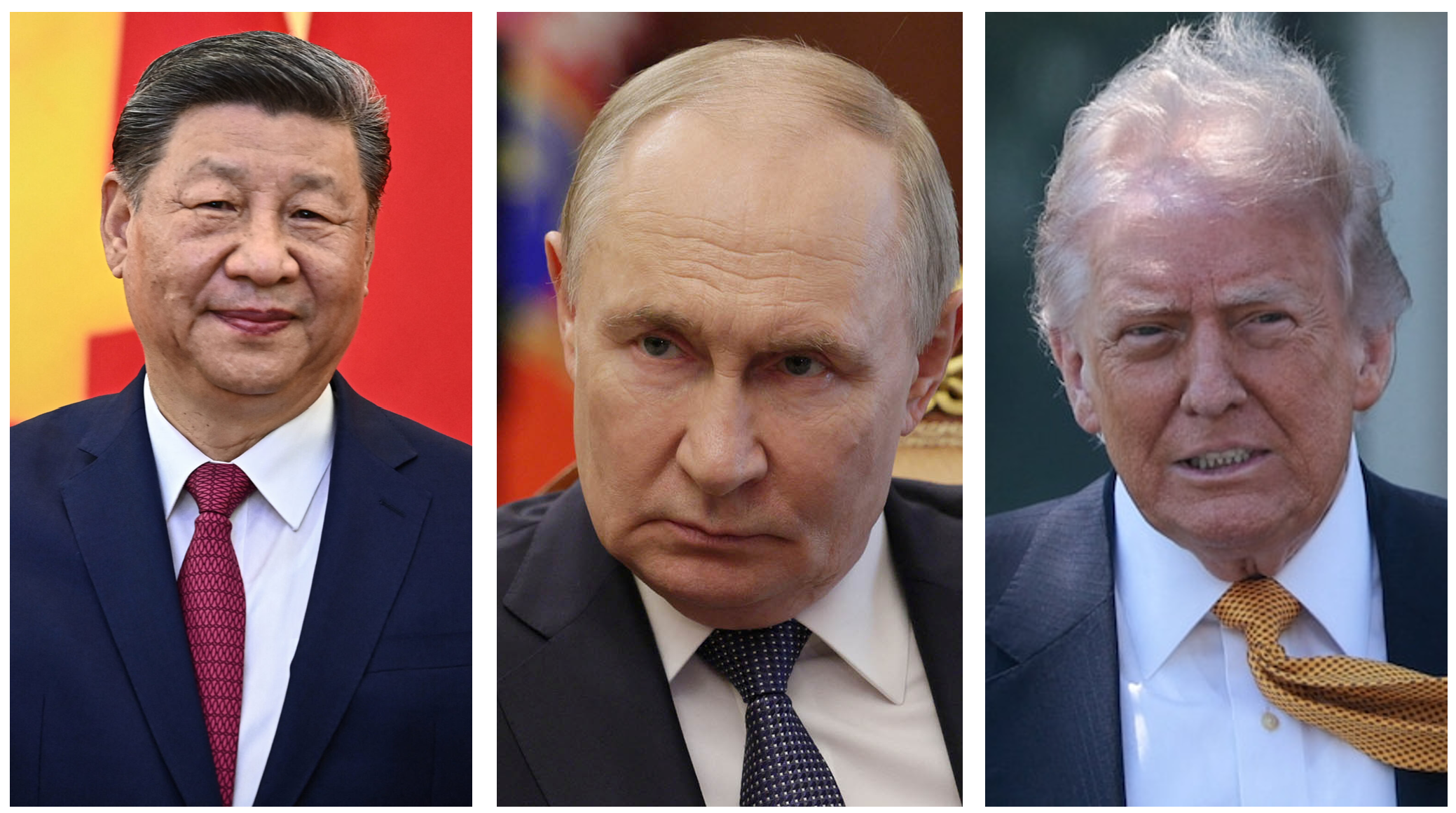
Look at the world stage. Putin, Xi, Trump. Boomer, not even Gen X. They represent an older way of running things that, depending on who you ask, is either holding on too long or refusing to let go at all. Some of them will be replaced by their kin. Some of them will be replaced by people from outside the family circle. Either way, they will be replaced.
You can see it locally too. The Ayalas, the Sys, the founder generation that built modern Philippine business. Most of those names are now in their second or third generation of leadership. The original builders are stepping back, and the next set of fingerprints is going onto the company.
This kind of handover happens at every level. And it doesn’t stop at the people running things.
The companies that look untouchable also fall.
WeWork was supposed to redefine office real estate. Then it didn’t. Sears was once the biggest retailer in the world. Now it’s basically a memory. ABS-CBN was the dominant broadcast network in the country for decades. Then in 2020, it lost its franchise and a giant institution was taken down almost overnight. Things that feel permanent are not permanent. They’re just not falling yet.
Every era ends. It’s just that we tend to live inside one for so long that we forget the next one is already loading up in the wings.
So here’s what I find myself thinking about a lot.
When you grow up inside a status quo, it feels like the way things just are. It’s not the way things happen to be at this moment, but the way things ARE. Like this is reality, this is life. The shape of the world you’re born into is the shape your bones grow around. And then a generation passes, and the shape changes, and you realize you were just one chapter of a much longer book.
This is what worries me about Japan and Germany right now. Japan is moving away from the pacifist constitution it has held since World War 2, ready to be on the offensive again as a country. Germany is openly rearming. These are not small shifts. These are countries reversing the central decision they made after the worst thing that ever happened to them. And I get it and I’m for it. I think it makes sense. But the timing is a little conspicuous.
I think a big part of why this is possible now is that the people who actually lived through that war are mostly dead. Our grandparents. The ones who could tell you what it was like to have a city flattened, to lose a brother, to watch a country eat itself.
There is a difference between written history and lived history. History is a textbook. Lived history is your grandmother crying when you ask her about the war. One of them is data. The other one is a warning that gets passed down through someone’s voice, their face, their hands. Once the last person who carried the lived version is gone, what’s left is the textbook. And textbooks are easy to argue with.
So we are in this strange moment. The old guard is fading. The lived memory of the worst chapter is fading with it. And the next generation, our generation and the one after, is about to inherit the whole thing.
It’s tempting to just wait. To say, well, when these old guys finally step down, things will get better. When the next CEO comes in. When the next president comes in. When my parents’ generation finally hands over the keys. Then we’ll fix it.
But that’s not how change works. Change is on the horizon, sure. A few years out, maybe. The step changes are closer than they feel. But what fills the space matters. The next era doesn’t appear fully formed. It gets built, quietly, by the people who are already paying attention.
So the work is now.
As a person living in the world, that means noticing what we don’t want to keep. Naming it. Refusing to call it normal just because we grew up inside it. As a citizen of your country, that means being clear about who you don’t want back in power, and being clearer about who or what you do want. As an employee or an entrepreneur, that means looking at the org you’re in or the company you’re building and asking which patterns are old habits, and which ones are seeds.
Plant the seeds.
That’s really what I’m trying to say. The old guard is leaving. The window between eras is short. We don’t have to wait passively for change. We can start preparing the soil. We can start writing down what we don’t want to repeat. We can start choosing, in our small day to day decisions, the thing we want to be normal in the next chapter.
Our time is coming. If we do our job right, better days.

You Are Not Your Worst Day
One bad interview, one blown presentation, one terrible day. None of them are the verdict on you they feel like. There's actual math behind why.
Read more →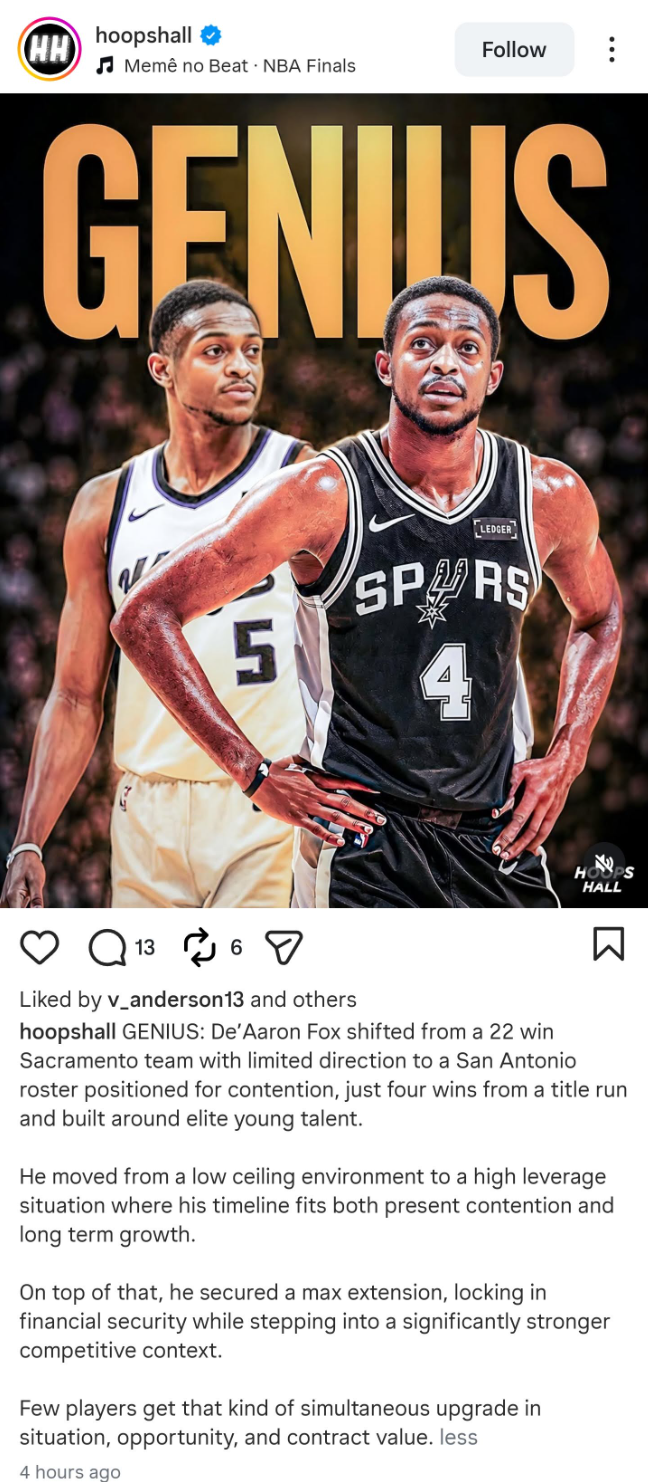
Go Where the Ceiling Is Higher
What De'Aaron Fox's move to San Antonio taught me about knowing your worth and finding the right fit.
Read more →
On Dignity in Work
Why meaning, purpose, and employee engagement matter more than job titles — a leadership perspective
Read more →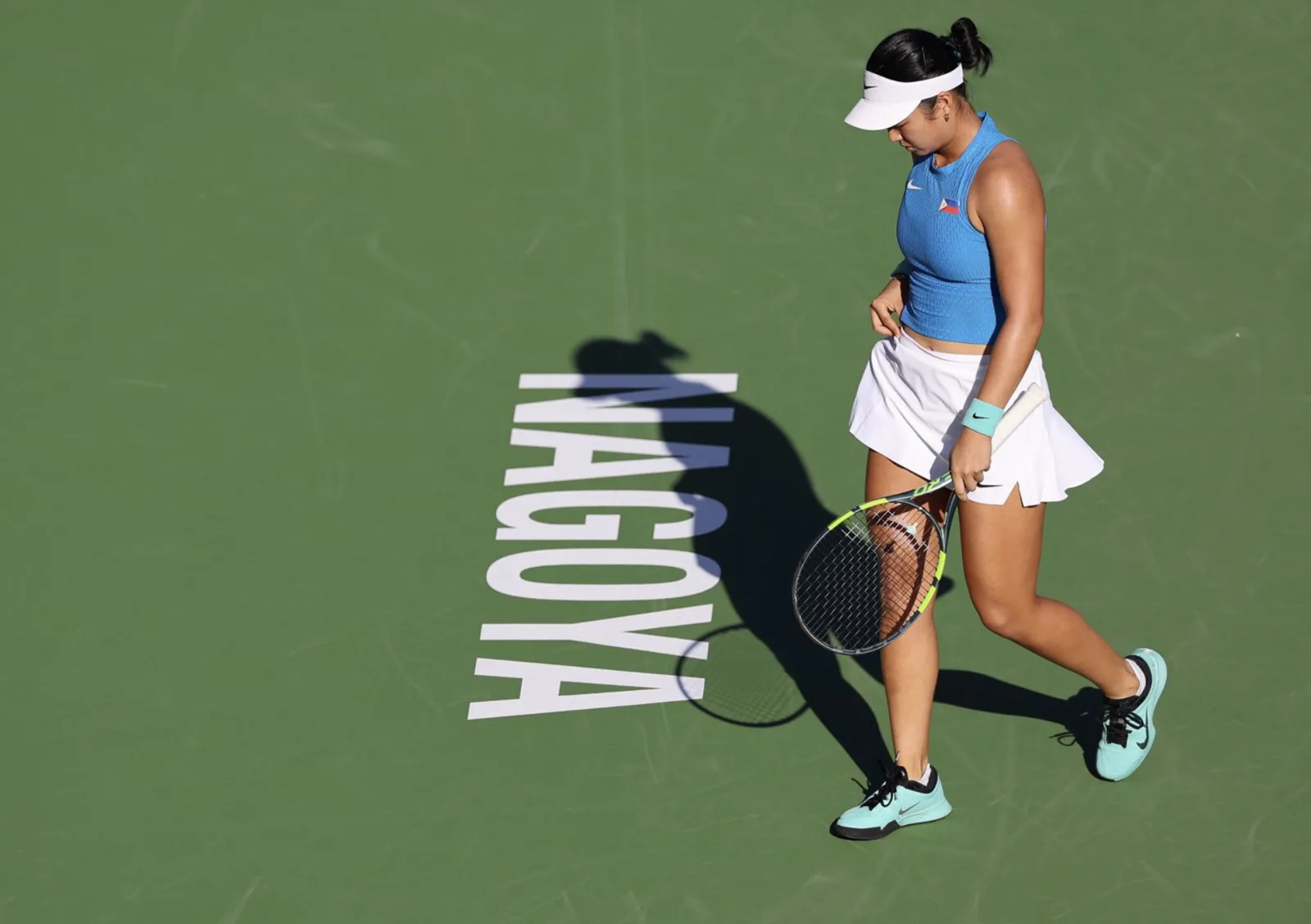
Alex Eala Doesn't Owe Us Anything
But she showed up anyway.
Read more →