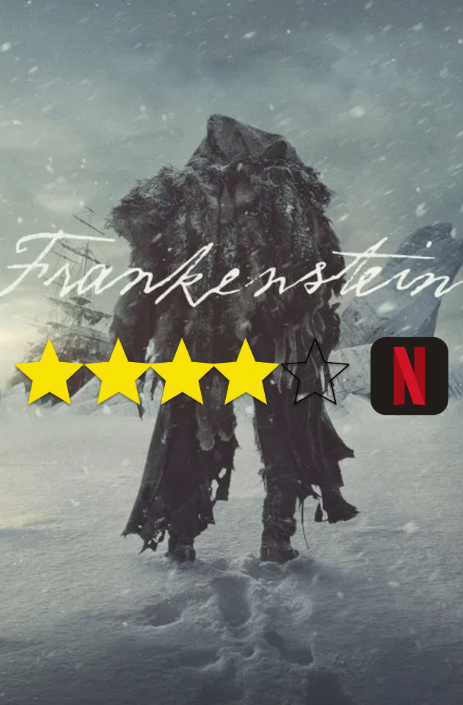
Frankenstein (2025) Review: Guillermo del Toro's Magnum Opus
The purest expression of del Toro's lifelong question — who is the real monster? (Now Streaming on Netflix)
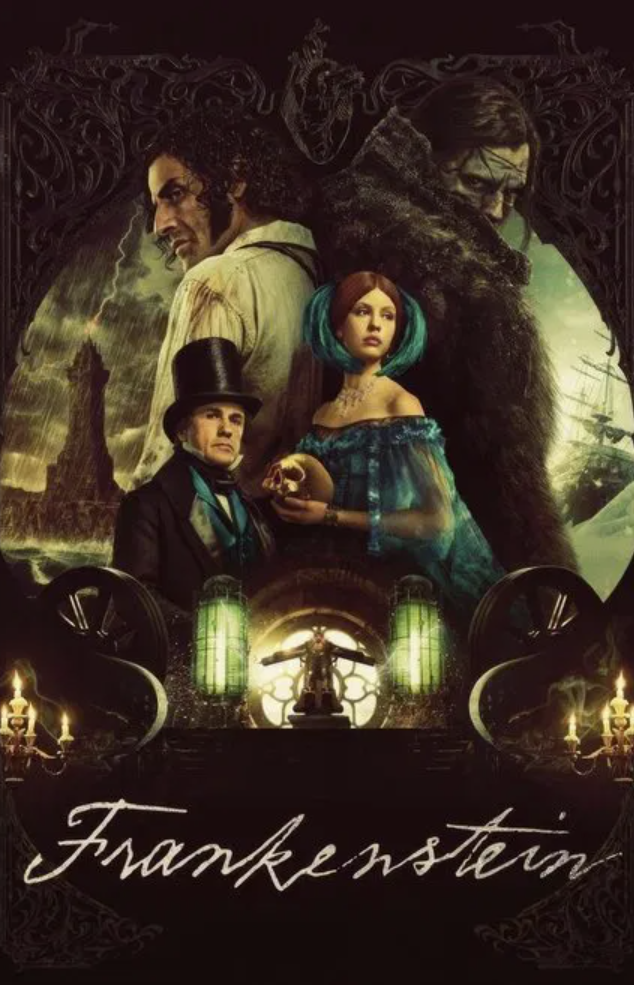
I was not a fan of early Guillermo del Toro. But I wasn’t a horror fan either. For a non-horror fan, a question often used to screen movies is simple: is it monster-scary or devil-scary? That question assumes that devil or spiritual scary is the scarier of the two. My brother, who still doesn’t like scary movies, argues that you can “punch” monsters, but you can’t hurt ghosts. I get that logic.
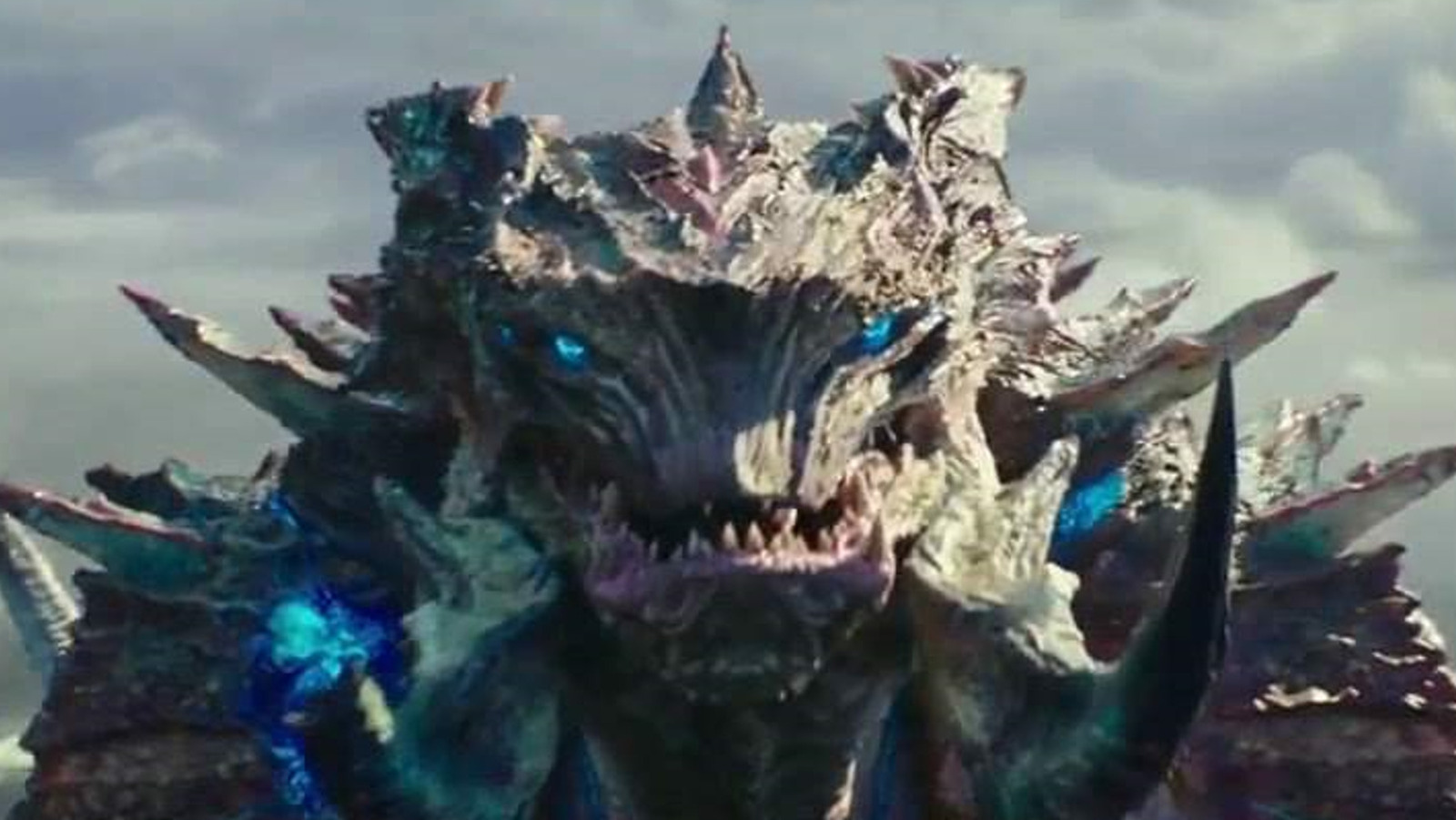
Perhaps the best entry point into del Toro’s world, and certainly not a horror movie, is Pacific Rim (2013). To the average viewer, it’s a film about mechs (giant mechanical robots) fighting monsters. Even now, as I write this, I catch myself framing those monsters as the bad guys. But thinking back, I don’t think that’s entirely what del Toro was doing. Even there, he was already injecting his ethos into the story. The questions that linger for me now: were the kaiju really villains in Pacific Rim? Were they acting out of instinct or malice?
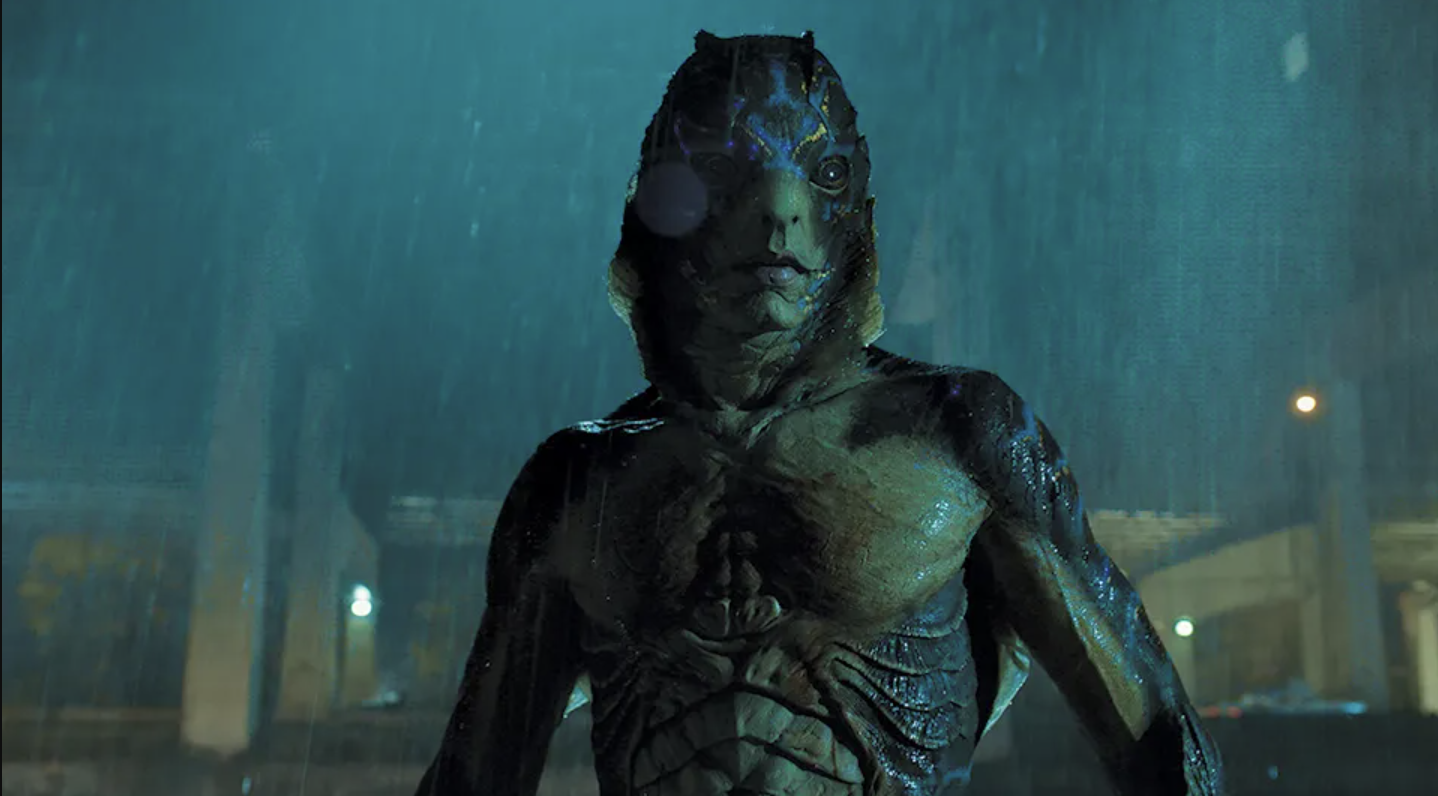
That same question is posed more explicitly in his 2017 classic, The Shape of Water. The framing of the message is clearer, though I’ll admit that before I finally watched it two years ago, relying only on posters and trailers, I assumed the “monster” was horrible, bordering on disgusting. The memeable shorthand of the film still floats around as “the woman who fucked a fish,” which immediately conjures something grotesque. But once you actually watch the movie, the reaction flips. You understand the relationship. You root for the protagonists.
Frankenstein (2025) feels like the magnum opus of Guillermo del Toro. It’s the purest expression of his lifelong question: who is the real monster?
This isn’t a spoiler. It’s the film’s foundation. The story is split into two acts, presenting two perspectives, and the effect is quietly devastating. It isn’t as scary or moody as Nosferatu (2024), and it’s not meant to be. The adaptation stays close to Mary Shelley’s original novel, prioritizing empathy over terror. The pacing is excellent. It’s a beautiful, thoughtful film, exactly what you’d hope for from del Toro. The runtime runs over two hours, but it passes swiftly, even with the story clearly divided in two.
The visuals are excellent. Nothing overly dark. Strong production design. Grand, but still grounded. The creature design is on point: imposing without being terrifying, restrained without losing impact. It feels calibrated to the director’s ethos. Del Toro has loved Frankenstein since childhood. His home famously contains altars to Frankenstein’s monster, and you can feel that devotion translating directly to what we see on screen.
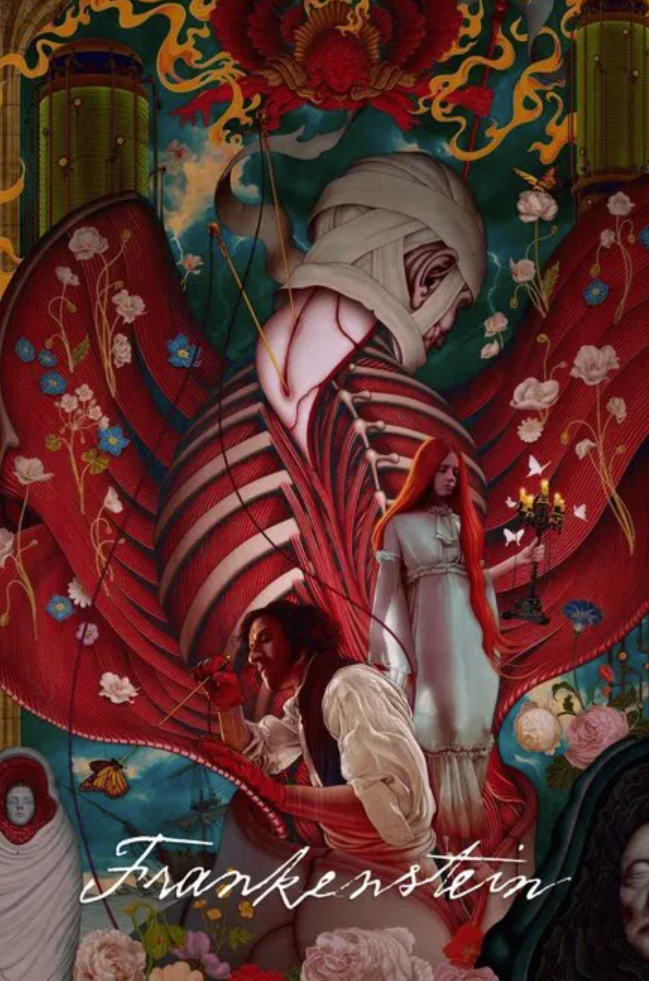
I’m also glad to see Mia Goth slipping further into the mainstream. The recent rise of horror has naturally carried her along with it. She is the undisputed modern scream queen, the face of contemporary horror. She isn’t disturbing, terrifying, or unhinged here, and that’s appropriate. The story doesn’t call for that energy. Still, if you’re unfamiliar with her work the Pearl (2022), X (2022), and MaXXXine (2024) trilogy is well worth your time.
Like his previous release, Pinocchio (2022), Frankenstein is ultimately a story about identity. About being human. About what that even means.
It’s a lovely film. We enjoyed it from start to finish. The pacing never bothered us. By the end, I wanted more. And maybe that’s the strange part now: we don’t quite know what comes next for del Toro. What happens after you finally realize a lifelong dream? I don’t know yet. But I’m quietly, eagerly waiting for his next move.
★★★★☆.
Film Diary: September 2026
Every film we watched in September 2026, ranked best to worst, good and bad, both our ratings.
Read more →
One Night Only (2026) No Spoiler Review: Monica Barbaro and Callum Turner Are Great, the Premise Just Isn't
Monica Barbaro and Callum Turner have real chemistry in this high-concept rom-com, but the movie and the cast are wasted on a premise that never needed to be this complicated.
Read more →
The Best Movies We Saw in Q3 2026
Everything that averaged four stars or higher between us in Q3 2026, ranked.
Read more →
Alex Eala Doesn't Owe Us Anything
But she showed up anyway.
Read more →