Joy as a Radical Act
What Olivia Dean, Alysa Liu, and Alex Eala Are Telling Us Right Now
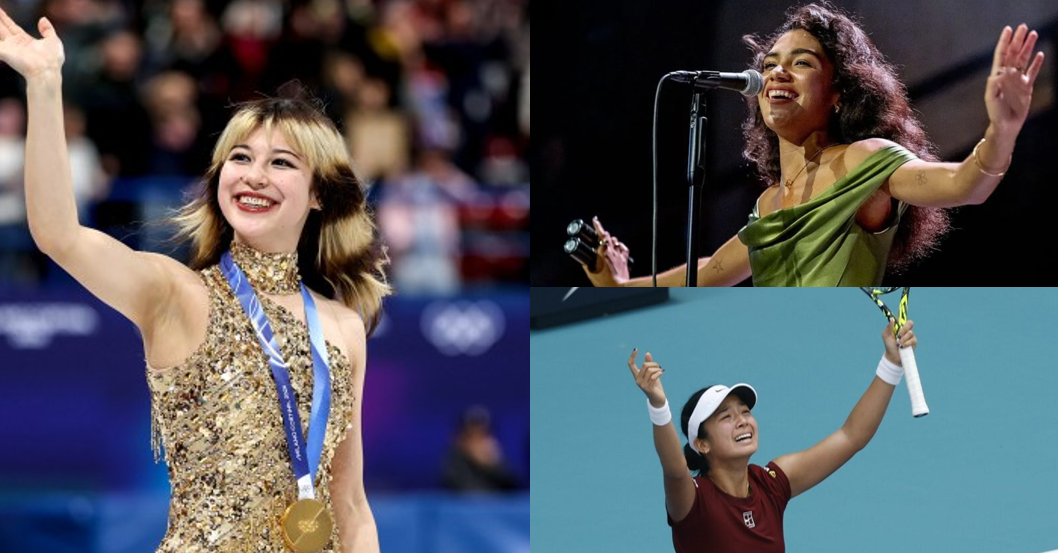
Something is shifting in the culture, and it is worth paying attention to. In the middle of genuine global darkness (authoritarianism gaining ground in places you didn’t expect, institutions fraying, bad news arriving before breakfast every morning), a different kind of person is breaking through. Not the one who grinds hardest or suppresses the most. The free spirit. The person who shows up fully as themselves, wears their emotion on their sleeve, lets joy lead. And the world, to its own apparent surprise, is embracing them for it. Not despite the joy. Because of it.
In January 2024, Alysa Liu went skiing for the first time. She was on winter break from UCLA, out with friends, and the adrenaline rush she felt on the mountain was unlike anything she had experienced since quitting figure skating. It reminded her of something. A few days later, she went to a rink, and even that was traumatizing. She had to bring her best friend, otherwise she would have never tried it again. She tried a double Axel. She landed it. Two weeks later she was back again, and she began to see skating as an art form and a way of creative expression in a way she never had before.
Then she called her former coach. His response: “Why would you do this to yourself?” After two hours of negotiation and a bottle of California red, he got on board.
To understand why any of that matters, you need to know why she left. Liu had been overtrained as a child without any off days, with others controlling whatever she ate and drank. She made the 2022 Beijing Olympics at 16, placed sixth, and walked away, telling the world she was only 16 and wanted to do other things. She trekked to Everest base camp, enrolled at UCLA, got her driver’s license, dyed her hair. She built a life that had nothing to do with the ice. Then the ice called her back, on her terms this time.
At Milan Cortina in February 2026, Liu skated a nearly flawless free skate to surge from third place after the short program to claim Olympic gold, the first American woman to win the title in 24 years. She smiled through her lutzes and loops and salchows, pointed her finger to the sky to close out the routine, then skated right up to the rinkside camera and bellowed her delight at what she had just done.
But even before she skated a single jump, people were already watching her differently. Figure skating has always had an “ice princess” aesthetic, women on the ice expected to look perfectly polished, with slicked-back buns and hyper-feminine costumes, not a strand out of place. Liu walked into the rink looking like herself. Her hair has alternating horizontal bands of dark brunette and platinum blonde, and the story behind it is exactly what you’d expect from someone like her. “You know how trees have rings for their age?” she explained. “I thought, every year I’m gonna add a new halo around my hair.” Three years of halos, three rings, each one a year she lived fully. When she smiles, which is often, a “smiley” piercing flashes between her teeth, a piece of jewelry in the tissue of her upper lip. She did it herself, with her sister holding up her lip. Off the ice, she dresses in what she calls a more masculine style, shows up to TV appearances in oversized fits that look nothing like what anyone expects an Olympic gold medalist to wear, and treats interviews like conversations with friends.
Her coaches had warned her that some judges and officials might “be concerned” about her look. Her response: “I said if they tell me to dye my hair back, I will quit.”
She went from around 250,000 Instagram followers to 7.2 million after the Olympics. Asked about the number, she said: “I can’t really compute that number. So I don’t think about it.” Her story prompted people across TikTok to post videos of themselves returning to activities they had given up. She is a household name now, bringing something to people who had never once thought about figure skating. And she did it by refusing to be anything other than exactly who she is.
The thesis of her story is almost uncomfortably simple: she stopped performing for the system that had broken her, started skating because she loves it, and everything else followed.
Olivia Dean has been building her career since she was a teenager performing on the South Bank in London, barely making enough money to buy dinner. She signed to a label in 2019, released her debut album Messy in 2023 to critical acclaim and a Mercury Prize nomination, and spent the years in between doing everything a promising British neo-soul artist was supposed to do. The debut attracted respectable reviews but did respectable, rather than remarkable, business. Then in September 2025, she released The Art of Loving, and everything changed.
The album topped the UK Albums chart and yielded the UK number one single “Man I Need.” Together with the singles “Nice to Each Other,” “So Easy (To Fall in Love),” and “Rein Me In,” Dean became the first female solo artist to simultaneously have four UK top-ten singles. She swept the 2026 BRITs (Artist of the Year, Album of the Year, Best Pop Act, Song of the Year) and won Best New Artist at the Grammys, the first British artist to take that prize since Dua Lipa in 2019.
What changed between Messy and The Art of Loving is not a mystery: she decided what she actually wanted to say.
Messy lived in familiar emotional territory: heartbreak, longing, the ache of love that doesn’t work out. Beautiful songs, honest work. But The Art of Loving feels like the work of an artist stepping fully into herself, widening the frame to include love in friendship, in family, in the hard work of accepting yourself for who you are. The two singles that broke her globally, “Man I Need” and “So Easy (To Fall in Love)”, feel less like love songs and more like a woman who has decided exactly who she is, walking into the room. Their moods are playful and cinematic, almost like stepping into a daydream. No pining. No drama for drama’s sake.
The chorus of “Man I Need” doesn’t beg or spiral. It simply, clearly states what she wants. She extends an opening. She goes halfway. She is grounded enough in herself to make the first move without losing anything in the process. She views love as a pleasant addition to an already fulfilled life, not a gaping hole that needs to be filled. This is not how love songs are supposed to go. The genre has historically been powered by yearning, by the exquisite pain of wanting someone who isn’t fully yours. The Art of Loving doesn’t reject that; the album’s deeper cuts carry real weight. But what it sent into the world as its face was something different: a woman dancing through life because she genuinely wants to be there.
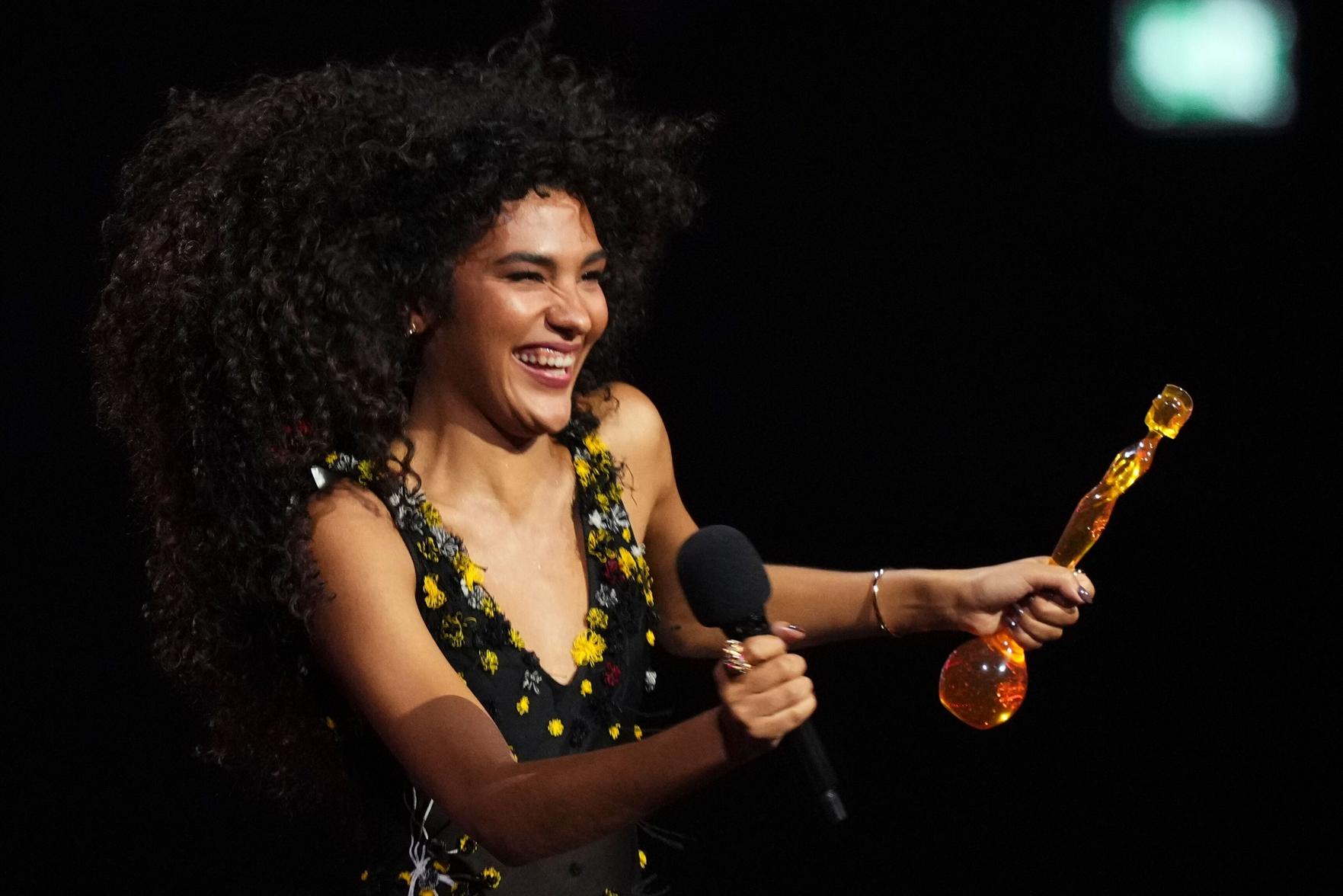
Accepting Album of the Year at the BRITs, Dean said: “This album is about love and loving each other in a world that feels loveless right now.”
She knew exactly what she was offering, and why it mattered.
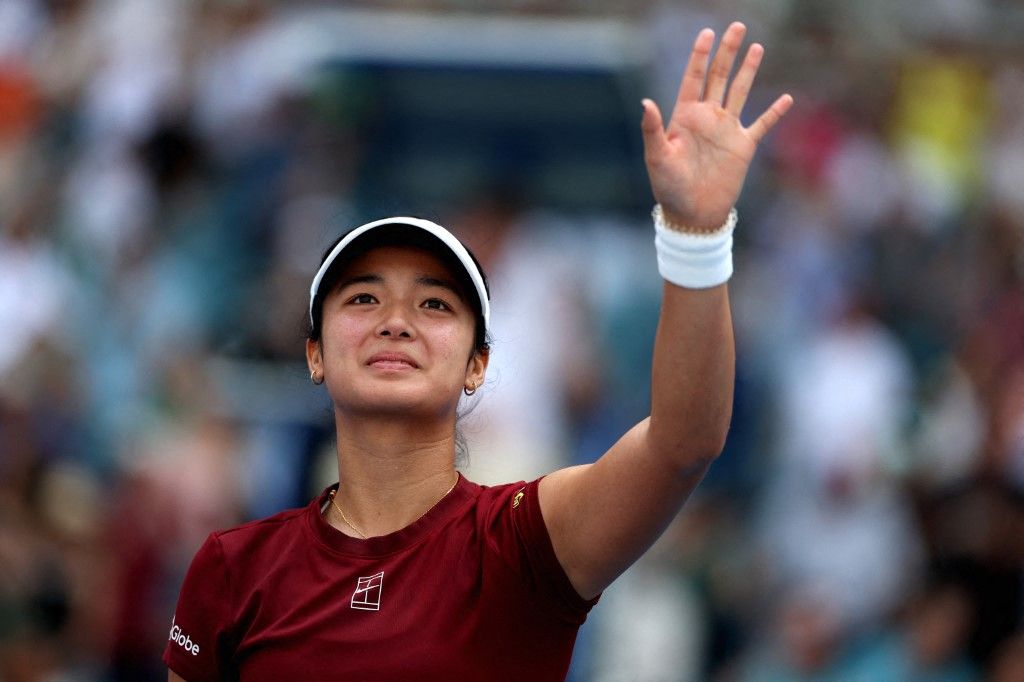
The same truth shows up in tennis, where Alex Eala has become one of the most-watched athletes in the world. People show up for her tennis, yes, but what they stay for is what happens after the big wins: the tears, the full unguarded feeling of it, in front of everyone. In a sport that rewards composure, she just lets it land. The crowd responds every time because they know it is real.
Three people in three different disciplines, offering the world the same thing at exactly the right time.
The world right now is genuinely difficult to sit with. Wars feel closer than they have in decades. Democratic institutions are bending in ways that seemed unimaginable a few years ago. Moral standards we took for granted are eroding in real time. And somewhere in all of that, a creeping cultural assumption has taken hold: that to take the world seriously, you must embody its weight. That grimness is the only honest response.
Olivia Dean, Alysa Liu, and Alex Eala quietly refuse that assumption. They are not naive. But they are choosing joy anyway, not as denial, not as escape, but as a way of moving through reality with agency intact.
That last word is the one worth sitting with. Agency. The free spirit is not someone born with a special disposition for happiness. It is someone who makes a series of small, deliberate choices to remain themselves: in what they wear, how they speak, what they create, what they refuse to give up. Liu chose her hair. She chose her music. She chose when to leave and when to come back. Dean chose what to sing about and how to sing it. Eala chose to let the tears fall.
None of those feel like grand gestures from the outside. But they accumulate into something. You get to make those choices too, in the smaller stakes of your own life: what you let define you, what you refuse to perform, what you let yourself actually feel. That is the invitation these three are extending, whether they mean to or not.
The world is broken in a lot of ways right now. Something can still be done. And it turns out it can come from a place of joy.
How Do You Change Someone's Mind? Tell Them You Heard Them First
If you've been following the impeachment trial, you've heard it a hundred times. Someone raises a point, and Presiding Officer Chiz Escudero answers, "Duly noted."
Read more →
I bought a Windows laptop last year. If I were buying now, my Android phone would talk me into a Googlebook.
Google's premium laptop is no longer a Chromebook. It's an Android laptop built around the phone you already own, and ten features would have made me buy one.
Read more →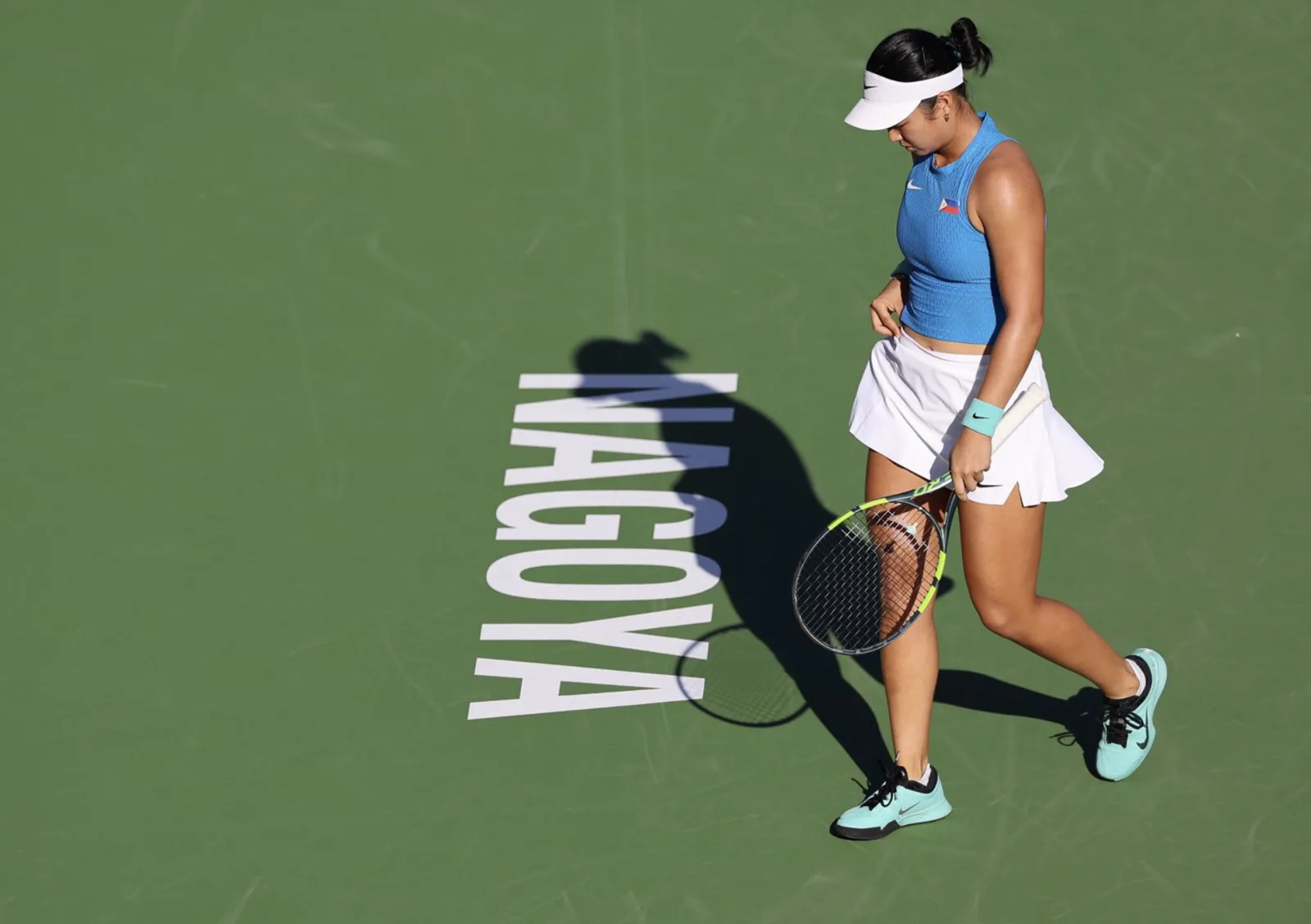
Alex Eala Doesn't Owe Us Anything
But she showed up anyway.
Read more →
What does the world need from the Philippines? Right now, nothing it can't get somewhere else.
China refines 91% of the world's rare earths. Taiwan makes over 90% of its most advanced chips. We import 98% of our garlic and ship our nickel out as raw ore. What could the Philippines own that the world can't do without?
Read more →