Malamig Brew Episode 1: Starbucks Pike Place Cold Brew Review (Baseline)
Cold brewing the world's most recognizable coffee — and why it makes the perfect starting point
Why I’m Doing This
This started pretty simply. I watched a YouTube video by FEATR about Philippine coffee beans, and it got me curious. There’s not a lot of accessible, everyday content about local beans, and I wanted to explore them properly and document the process. Nothing formal. Just tasting, paying attention, and writing it down. If it helps put even a small spotlight on the Philippine coffee industry, that already feels worth doing.
Along the way, a few things became clearer.
One is that part of the challenge with Philippine beans isn’t just quality. It’s scarcity and distribution. Some beans are hard to find consistently, which matters more than people like to admit. I’ve also been drinking coffee long enough to know that single origin isn’t always “better.” There’s a reason blends exist. Blends give you consistency. They help with availability. They let roasters mix and match beans to hit a benchmark flavor that people can actually rely on. And sometimes, honestly, blends just taste better.
I’ve always found it strange when conversations obsess over origin but barely talk about taste. At the end of the day, you have to enjoy what you’re drinking. If coffee is something you do intentionally, even casually, then understanding how it tastes and why it tastes that way matters more than labels.
There’s another reason this series exists at all. I actually stopped drinking coffee for a while in 2025. My stomach suddenly started reacting badly to acidity, and hot coffee just wasn’t enjoyable anymore. Cold brew brought me back. It’s gentler, naturally lower in acidity, and lets me enjoy coffee again without thinking about consequences afterward.
So this whole series is cold brew on purpose. Same method, same approach, fewer variables. I’m not trying to rank beans or chase tasting-note poetry. I’m just paying attention to what’s in the cup, comparing it to what came before, and learning as I go.
That’s really it. This is a personal journey, written plainly, one batch at a time.
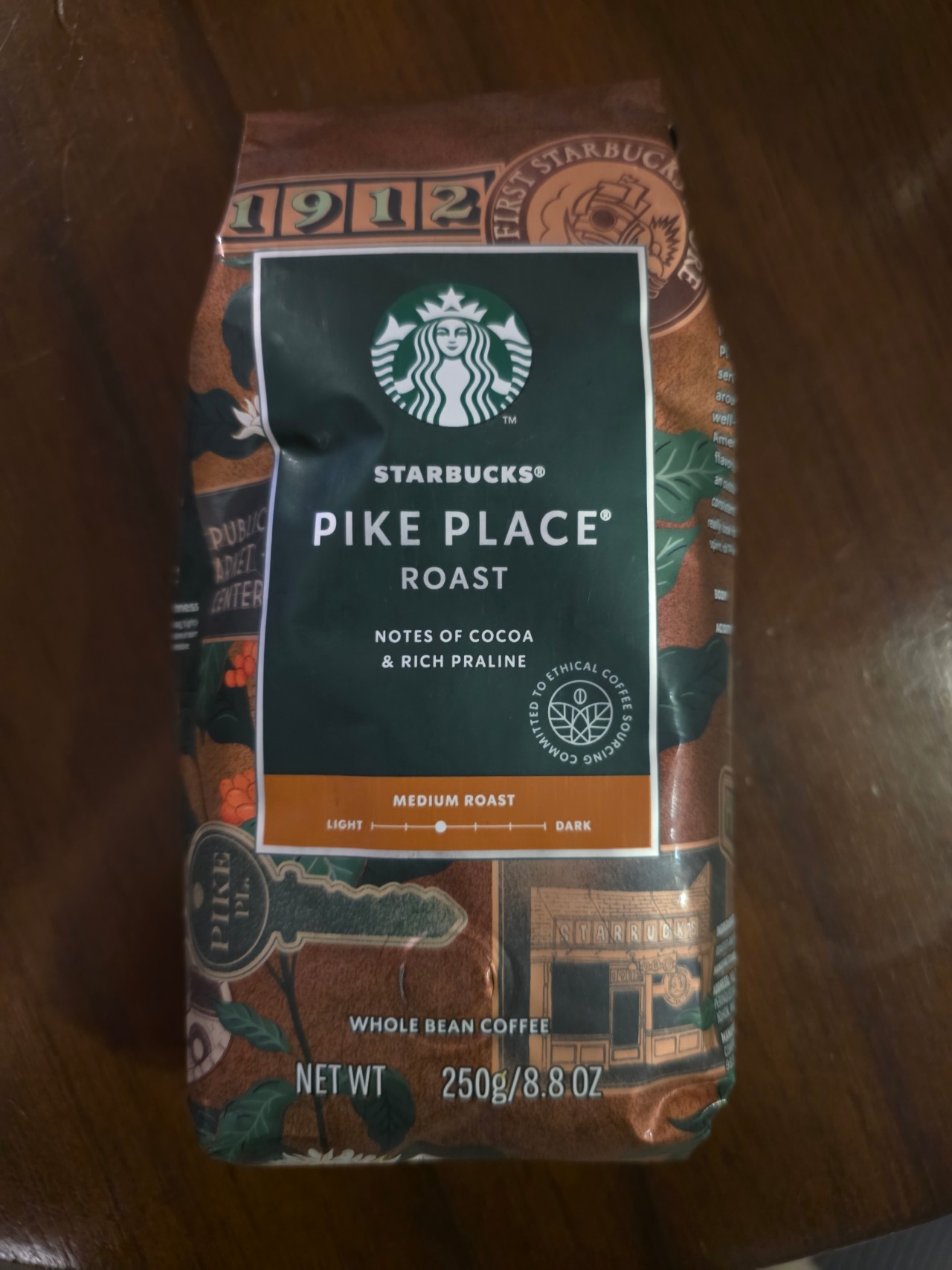
Starbucks Pike Place (Cold Brew)
I started with Pike Place on purpose.
Most people know what Starbucks coffee tastes like. And when you go to Starbucks, more often than not, what you’re drinking is Pike Place. It’s the default Starbucks taste. Being one of the most recognizable and identifiable benchmarks for what “good” coffee tastes like, there are enough patrons, and even casual triers, for this to make sense as a baseline.
If you don’t know where “normal” sits, it’s hard to describe what’s different later.
For this cup, and for all the beans in this series, I’m keeping the brewing process exactly the same. Beans are ground coarse just before steeping. Ratio is 100 g of coffee to 1 L of water. Steeped for around 15 hours in the fridge. Same method every time, so whatever changes in the cup come from the beans, not the brew.
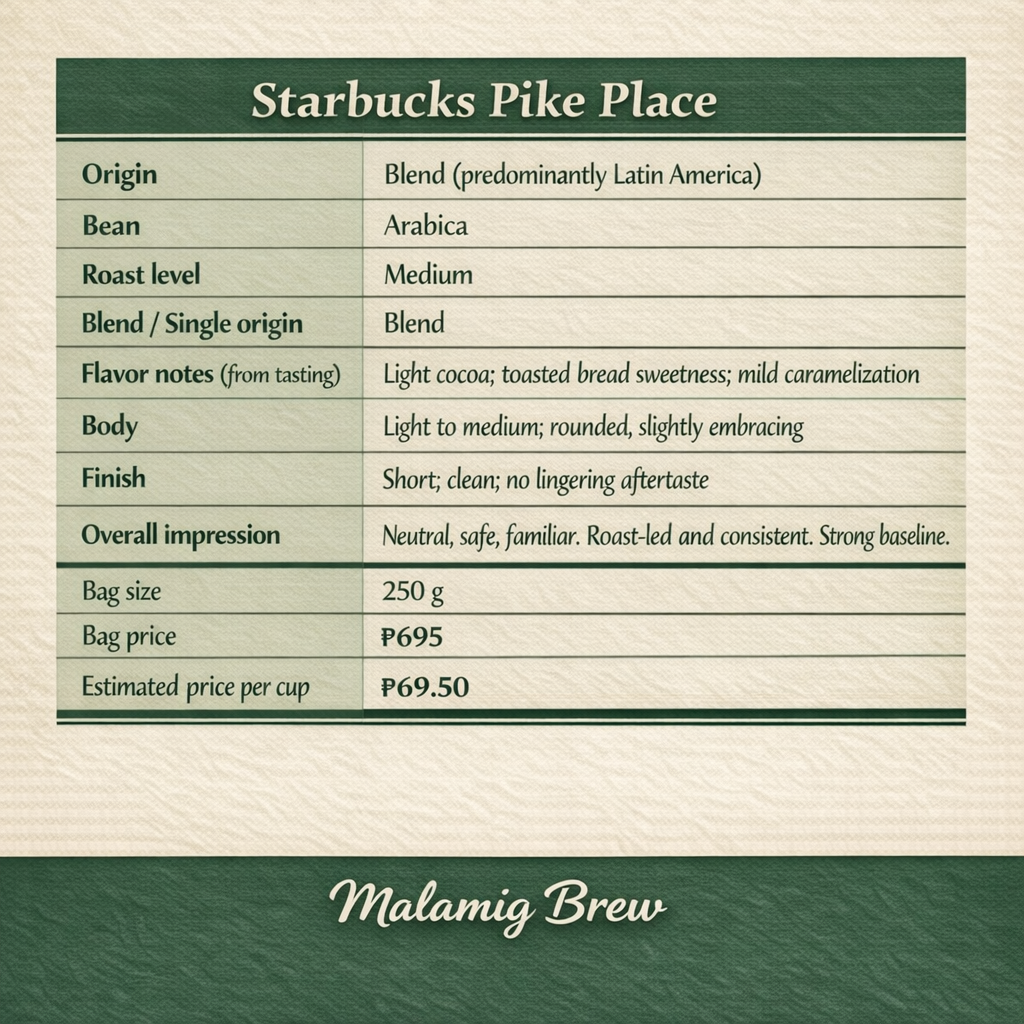
Cold brewed this way, Pike Place tastes exactly like what people expect from a classic Starbucks cold brew.
There’s light cocoa up front, followed by a toasted bread sweetness and a bit of caramelization from the roast. No fruit, no sharp edges. Acidity is very low, which works well for cold brew and makes it easy to drink.
The mouthfeel is rounded and slightly embracing, but not heavy. It feels familiar and safe. The finish is short and clean, with no lingering aftertaste to speak of.
This cup isn’t trying to show off. Most of what you taste comes from roast development rather than origin. And that’s not a flaw. That’s the design. This is what consistency tastes like.
As a starting line, Pike Place does its job. From here, any shift in sweetness, acidity, body, or finish becomes easier to notice.
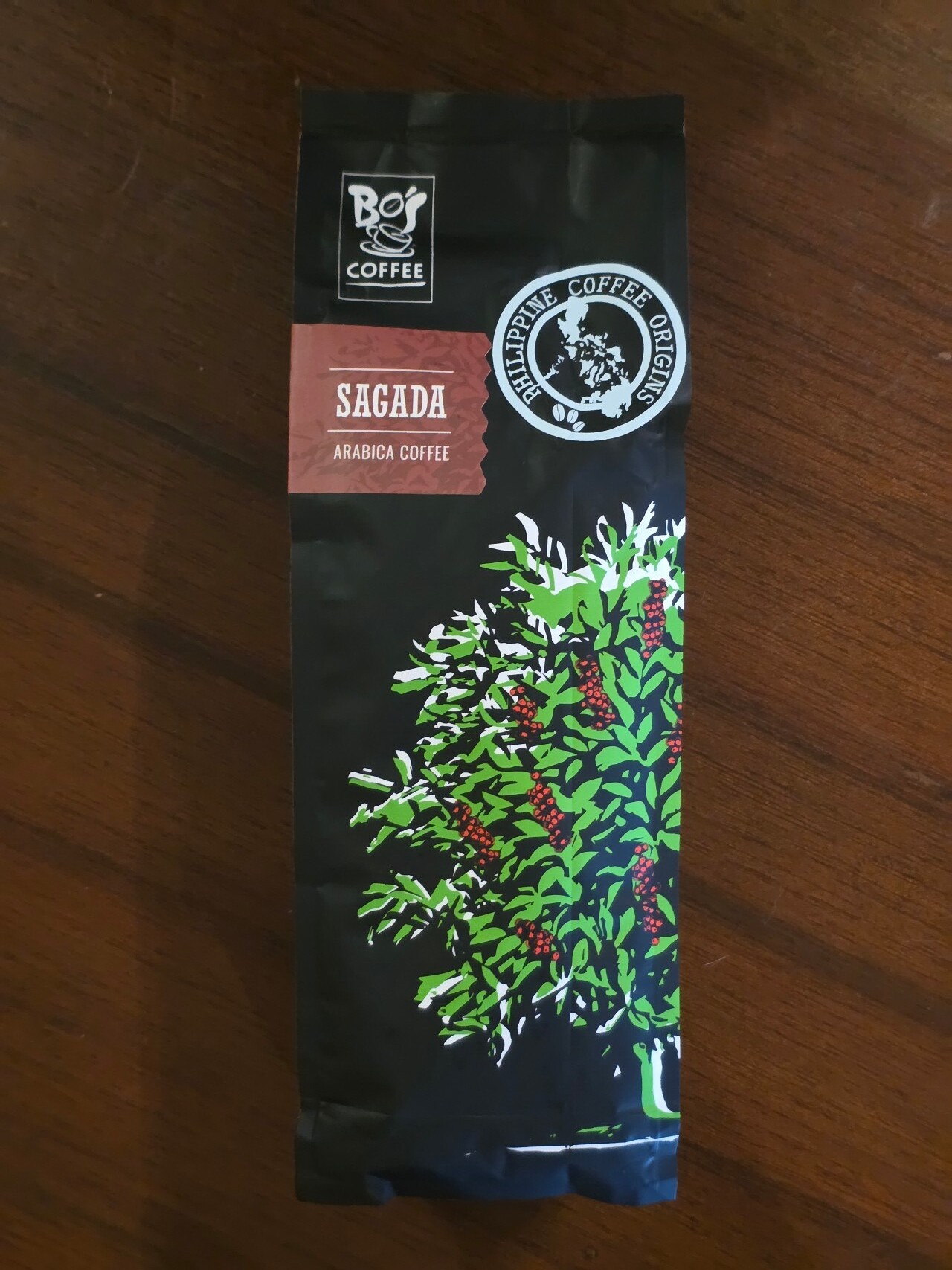
Malamig Brew Episode 9: Bo's Coffee Sagada Arabica Cold Brew Review Philippines
A cocoa-forward Cordillera Arabica that earns the daily driver label
Read more →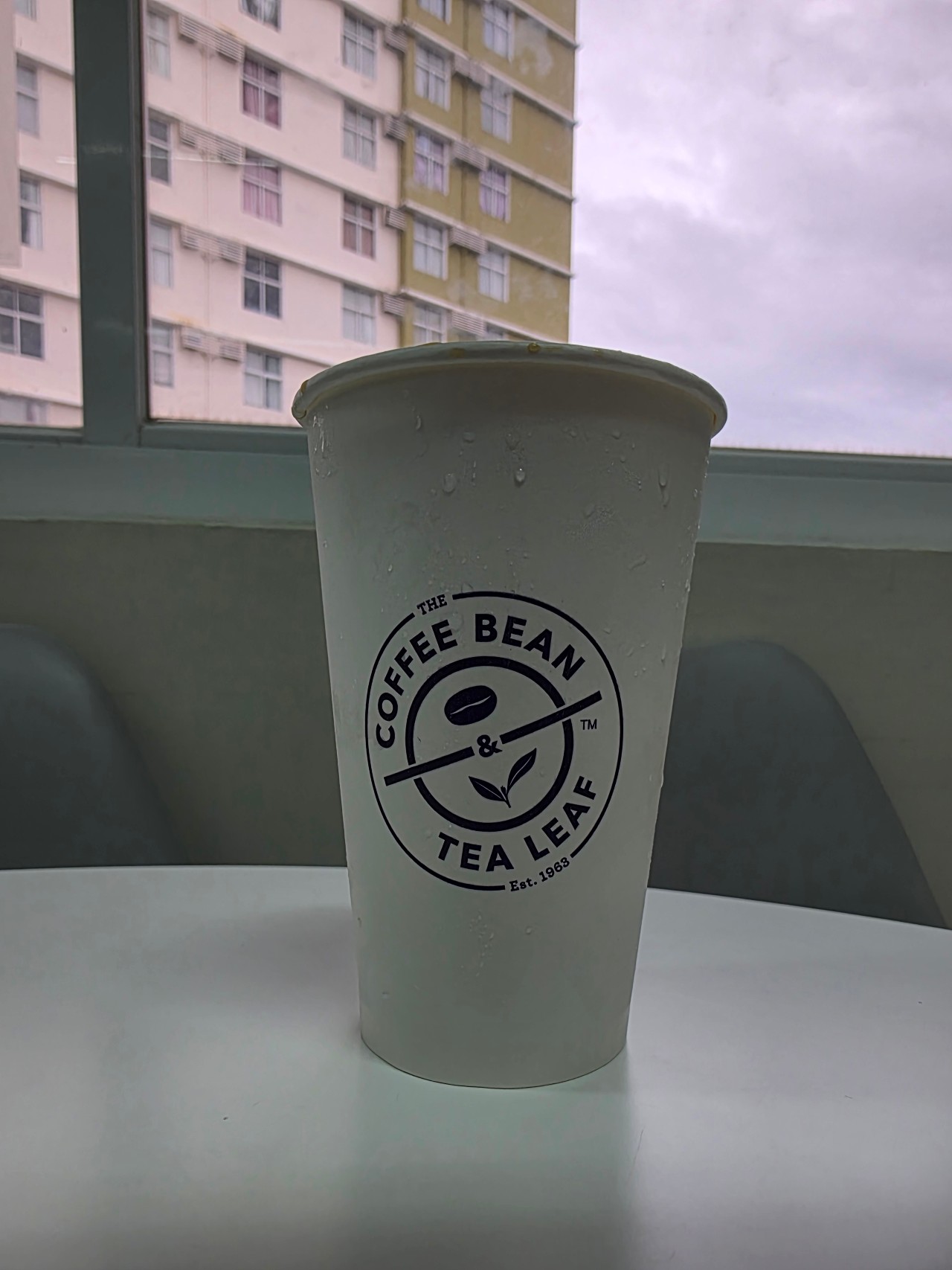
Malamig Brew Bonus: Coffee Bean & Tea Leaf Cold Brew Review Philippines — Or Was It an Iced Americano?
How to tell cold brew from iced Americano — and why it matters for what ends up in your cup
Read more →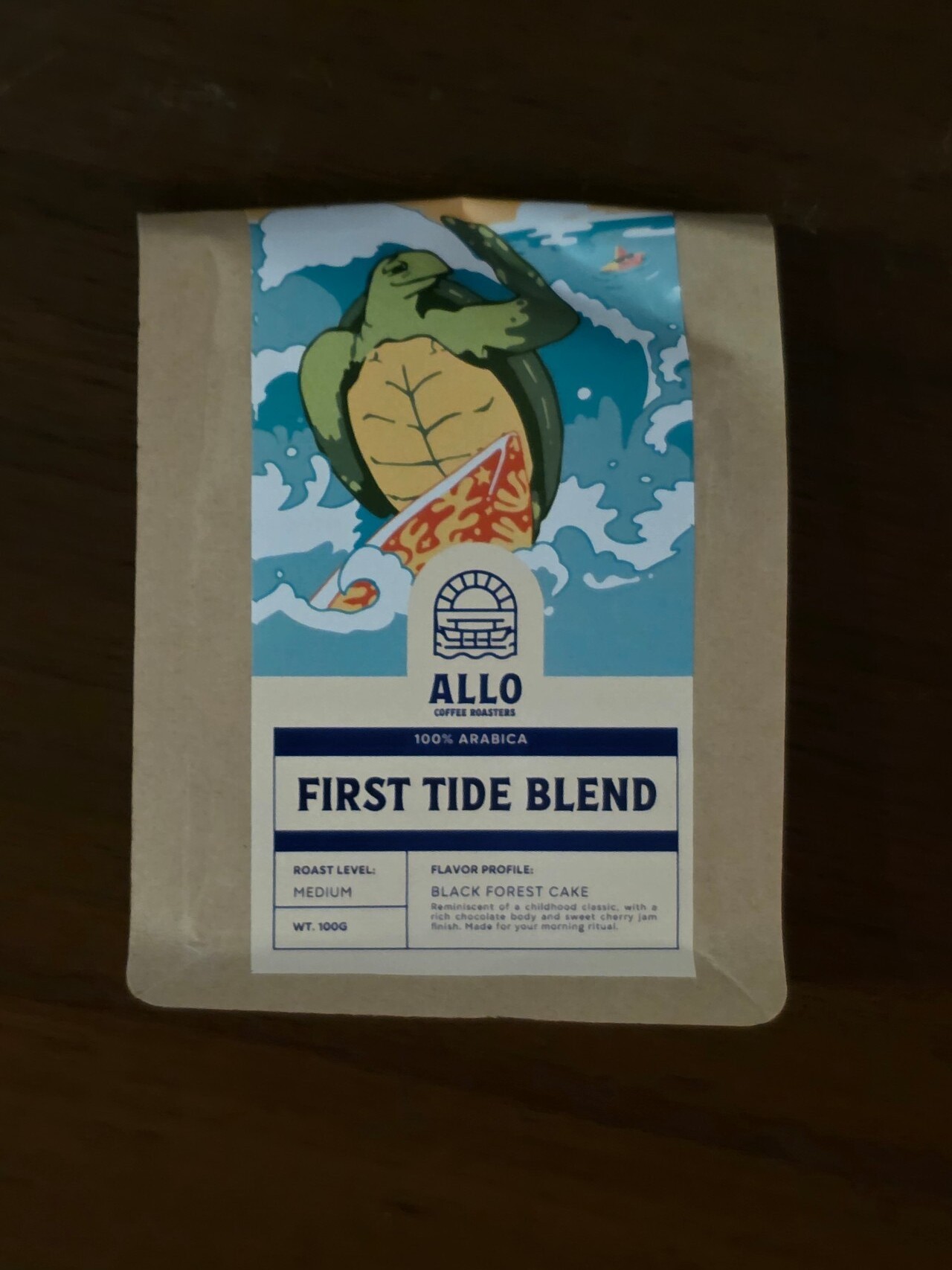
Malamig Brew Episode 7: First Tide Blend Cold Brew Review — Allo Coffee Roasters Philippines
A local roaster's bold, fermented-fruit blend that tastes like wine transformed into coffee
Read more →
What does the world need from the Philippines? Right now, nothing it can't get somewhere else.
China refines 91% of the world's rare earths. Taiwan makes over 90% of its most advanced chips. We import 98% of our garlic and ship our nickel out as raw ore. What could the Philippines own that the world can't do without?
Read more →