Malamig Brew Bonus: Coffee Bean & Tea Leaf Cold Brew Review Philippines — Or Was It an Iced Americano?
How to tell cold brew from iced Americano — and why it matters for what ends up in your cup
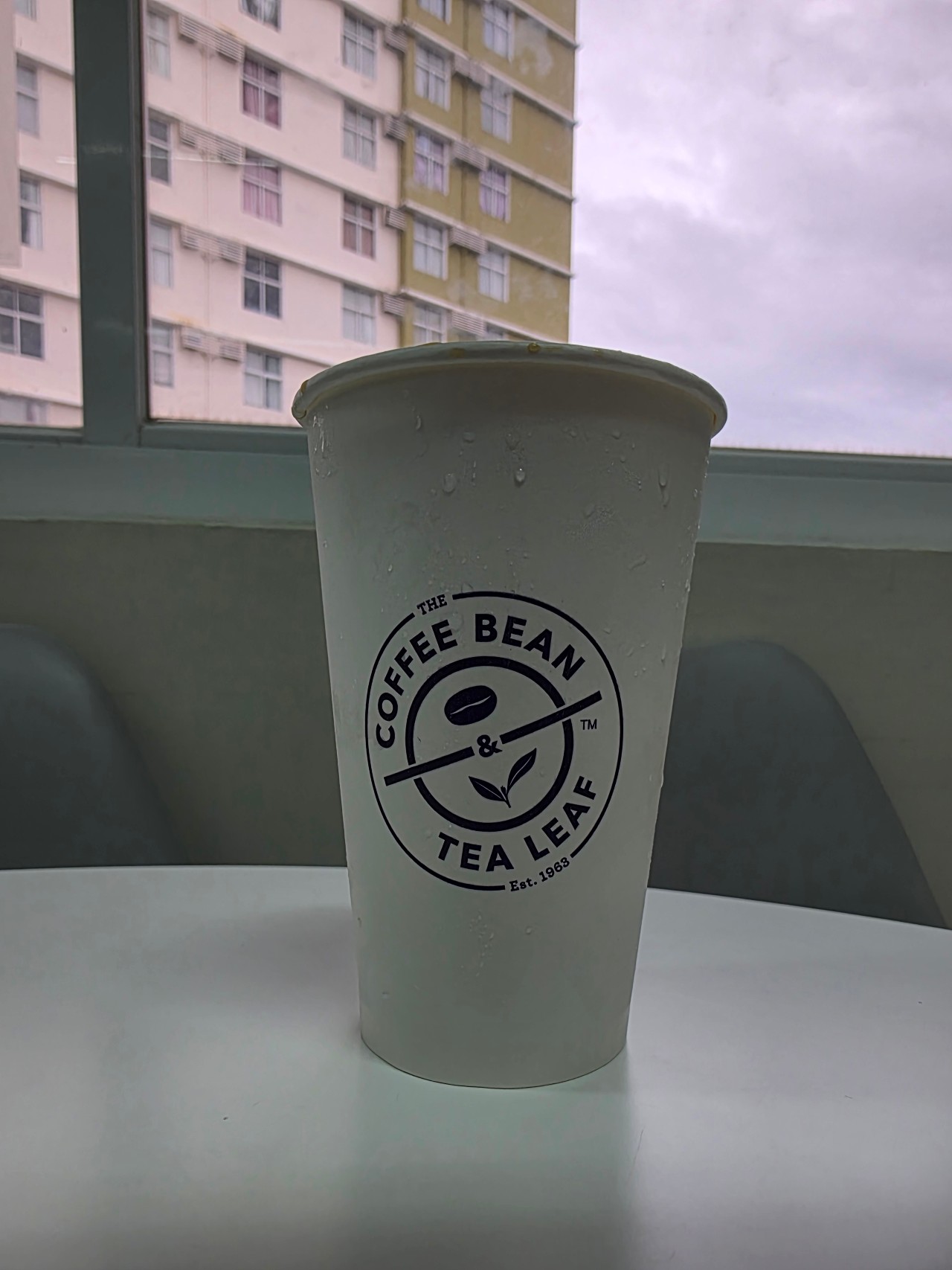
Stormy final day in Cebu. I’m out of beans, so I decide to try the Coffee Bean & Tea Leaf cold brew. As usual, no sugar.
No nose. Very cold. No immediate notes. I have to swirl it in my mouth before anything shows up. What I get first is roasted bean. If I wait a little longer, faint milk chocolate. There’s sweetness too, the kind that reads like white sugar or syrup rather than coffee-derived sweetness.
Hold up. This doesn’t feel like cold brew. It reads more like an iced Americano, and that throws me off. I end up looking up how to tell the difference.
The distinction usually shows up in how the drink behaves in the glass. Cold brew is made to be cold, so it tends to feel smooth and steady: low acidity, rounded sweetness, fuller mouthfeel, and very little change as the ice melts. Flavors often lean chocolatey or nutty, with a calm, clean finish.
An iced Americano starts hot, then gets chilled. There’s more brightness up front, a thinner body, and a sharper edge that becomes more noticeable over time. As the ice melts, the balance shifts.
In coffee speak, brightness usually points to acidity, though not in a sour or unpleasant way. It describes a lively, crisp sensation that lifts the flavor, similar to what citrus does in food. Think lemon zest, green apple, a light berry snap. Acidity is the technical driver; brightness is how it’s experienced. When brightness is low, the coffee feels rounder and heavier, with flavors that spread more slowly. Cold brew often mutes that brightness, which is why it reads smoother and more chocolate-leaning.
Back to the cup. There’s a nuttiness now, like sweet chestnut in the aftertaste. It lingers after the drink goes down. The drink may simply have been too cold at the start for anything to register, which would explain the muted opening.
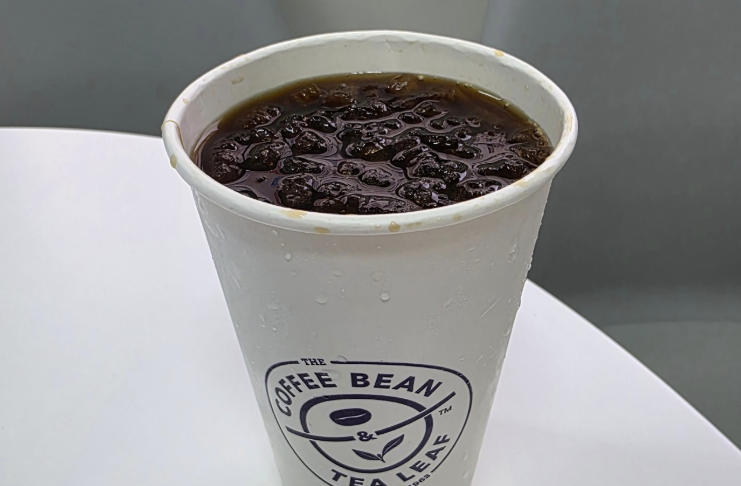
As the ice melts, the nose opens up. There’s a faint sugarcane sweetness. It reinforces the feeling that this isn’t cold brew. The aroma brings up the image of brewed coffee that’s cooled down, lightly sweetened. In the mouth, there’s a familiar base bitterness, still friendly and generic. It leans sweet. You know what coffee with sugar tastes like. I don’t taste sugar itself, but the flavor reads “sweetened.”
The finish becomes more pronounced. This is barako. Liberica. It has that unmistakable weight, especially in the finish.
This part makes me laugh. I usually take a few hours to finish a glass of cold brew. When I’m almost done within an hour, it usually means I’m struggling to pin the cup down.
For context, this is Coffee Bean in the Philippines. I looked up the published tasting notes of CBTL for their cold brew and they claim to use Yirgacheffe. I’m 100% sure that’s not what’s in this glass. This drinks like Liberica, likely barako from Cavite.
Compared to a Starbucks cold brew, I’d take the Starbucks.
That choice isn’t about quality or hierarchy. Barako is the default coffee profile in the Philippines. It’s what shows up in hotels, conferences, meeting rooms. Drinking it brings back very specific memories of work and long days. The association isn’t relaxing. Even when the cup is technically fine, it carries a familiarity that pulls me out of the moment. Starbucks, for all its predictability, doesn’t trigger that same response, and that ends up mattering more than I expected.
I’ve always thought Starbucks got more criticism than it deserved. It’s the standard. There’s no getting around that. And compared to much of what’s available in the mass market, they make a competent, consistent cup. Instant coffee shouldn’t be the benchmark. Against that baseline, Starbucks clearly has character. Dark roast, cocoa-heavy, familiar, but intentional.
That’s what I started this journey for. When I realized there was more to Philippine coffee than just kapeng barako, I wanted to explore what else was out there, to taste more deliberately, and to share the process of figuring it out. The point isn’t elevation or exclusion. It’s understanding through experience, and benchmarking through comparison. Coffee varieties do matter in the sense that they are different. Not better or worse by default, just distinct. Naming those differences, and noticing the nuances as they show up in the cup, is part of the work.
This experience also made something click for me. First impressions and thirty-minute impressions are different. The nose, especially, changes as the liquid level drops and there’s more air in the vessel. And once your mouth and brain are calibrated, notes appear faster. I’m going to start paying attention to that shift moving forward.
So this was an interesting detour. A very random cup, chosen for convenience on GrabFood. It pulled me into the differences between cold coffee styles. There should be a future episode on that, including the more coffee-snob-approved method: Japanese-style iced coffee. Next season, I’ll try making a Liberica or barako cold brew myself and compare notes with this cup. We still haven’t tried a Yirgacheffe latte either. That’s on the horizon.
Update, a few hours later: I can feel the acidity now. It’s clearer, sharper, more insistent. That wasn’t cold brew. That was an iced Americano. I’m not happy.
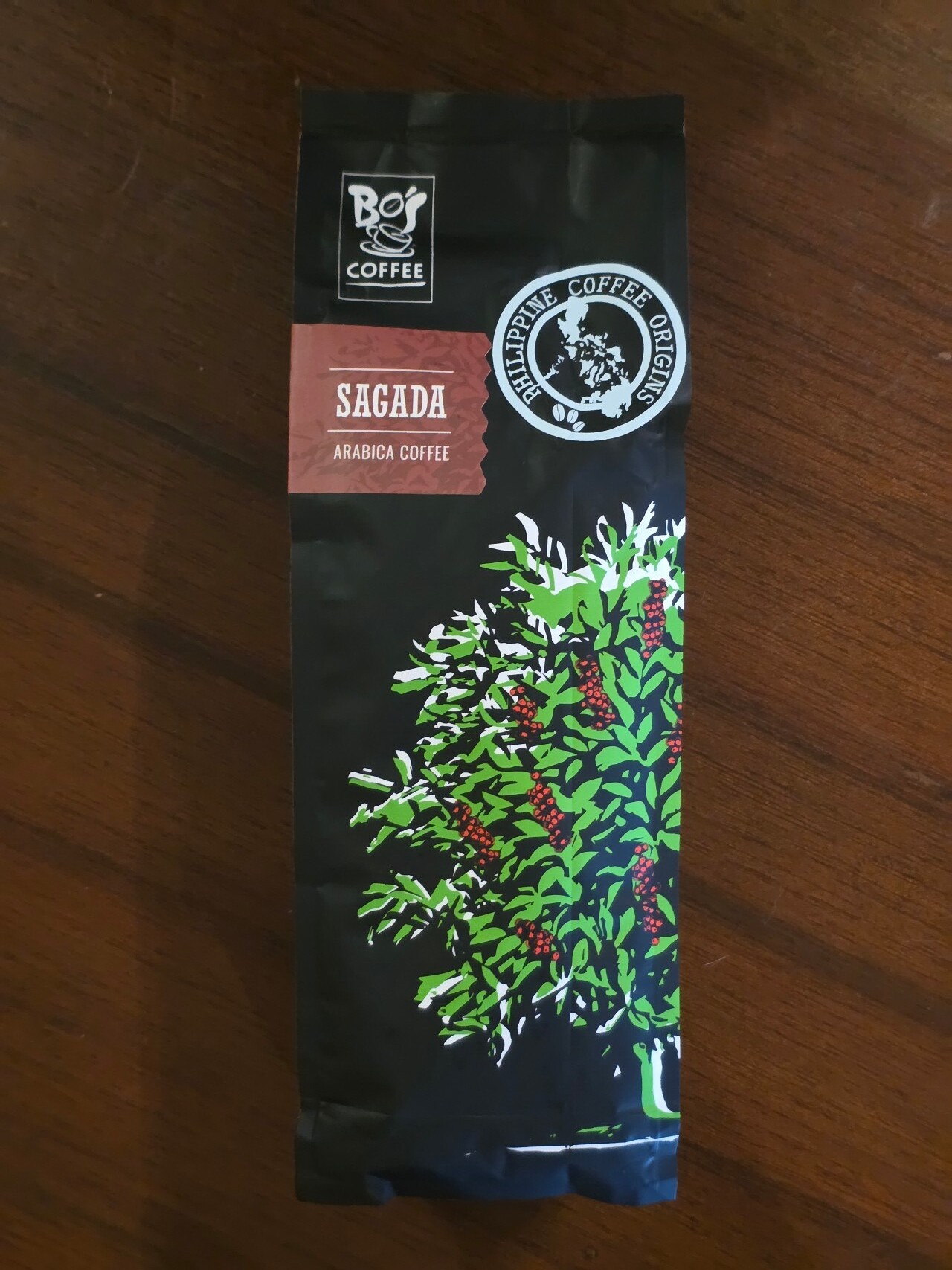
Malamig Brew Episode 9: Bo's Coffee Sagada Arabica Cold Brew Review Philippines
A cocoa-forward Cordillera Arabica that earns the daily driver label
Read more →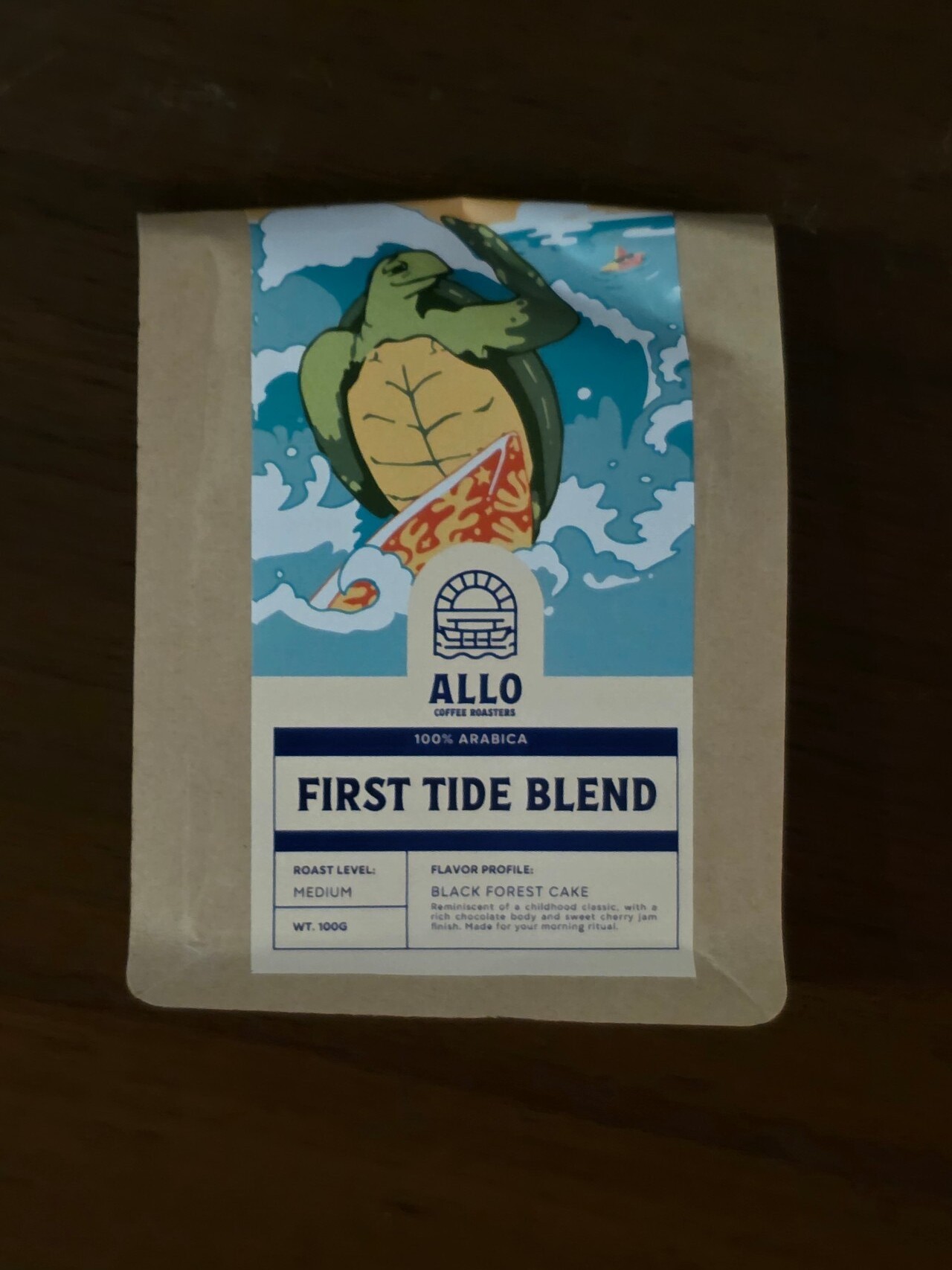
Malamig Brew Episode 7: First Tide Blend Cold Brew Review — Allo Coffee Roasters Philippines
A local roaster's bold, fermented-fruit blend that tastes like wine transformed into coffee
Read more →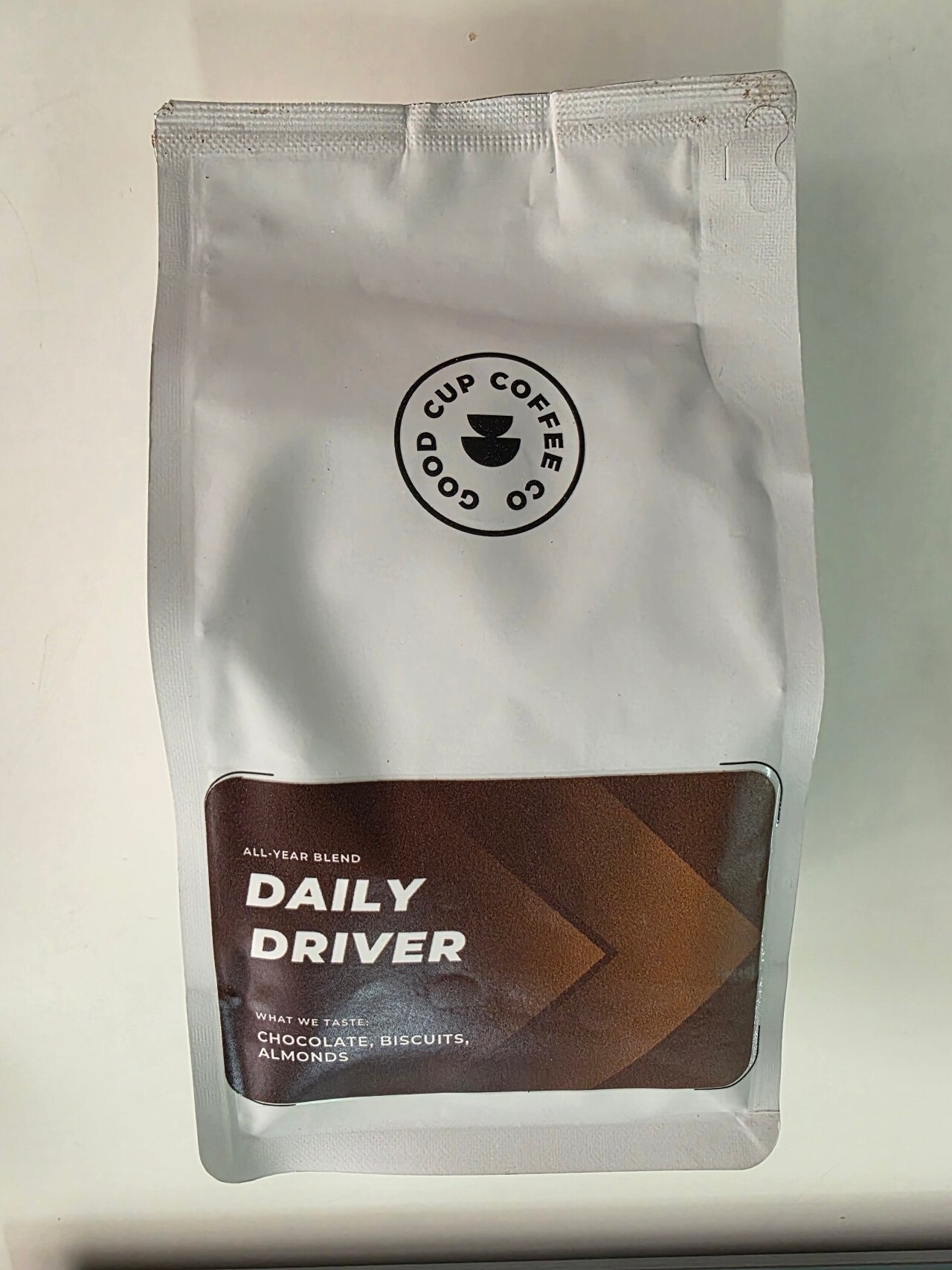
Malamig Brew Episode 8: Good Cup Coffee Daily Driver Blend Cold Brew Review — Cebu Philippines
Why cold brew makes a chocolate-forward blend taste surprisingly fruity — and what that reveals about extraction
Read more →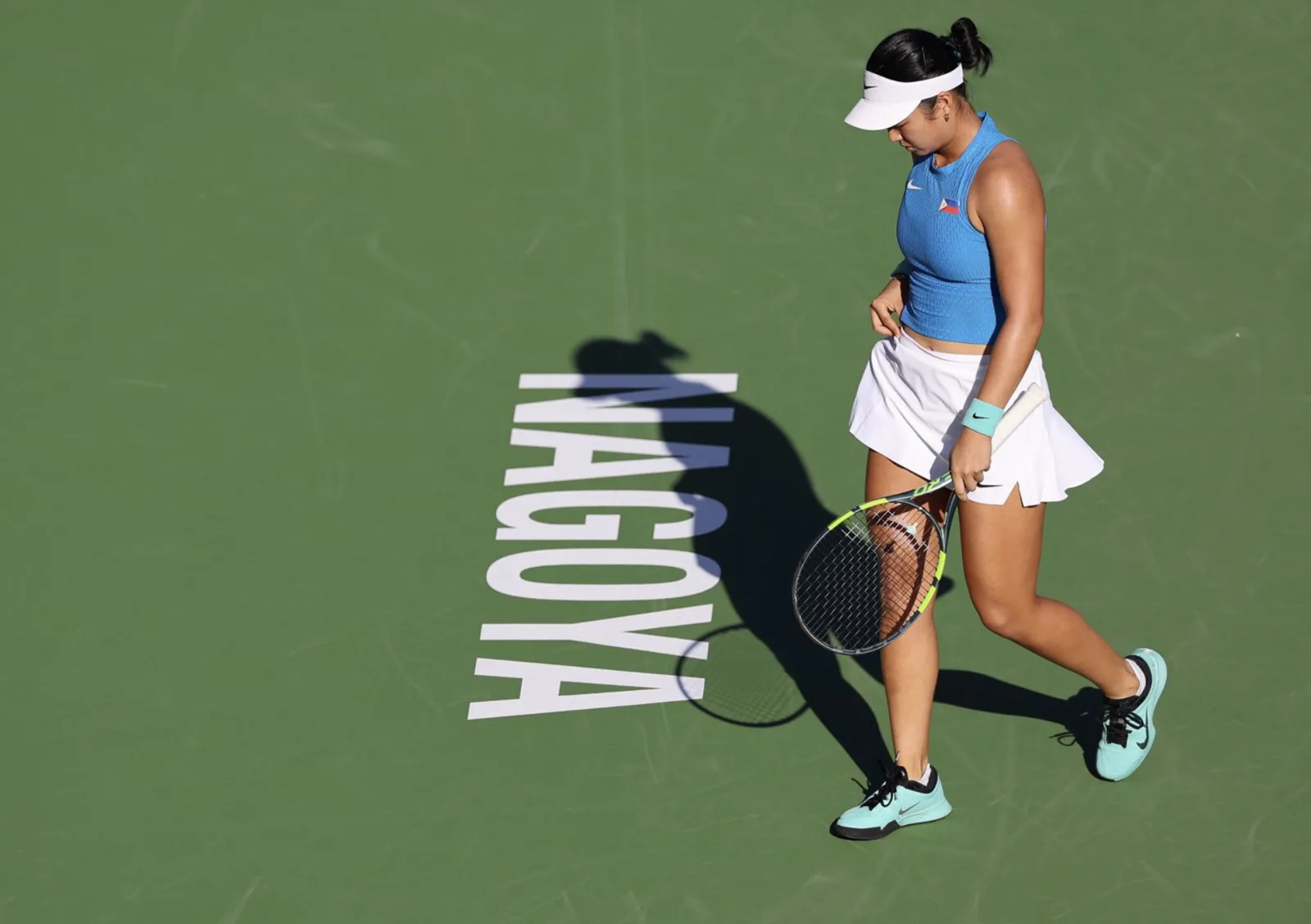
Alex Eala Doesn't Owe Us Anything
But she showed up anyway.
Read more →