Malamig Brew Bonus: Starbucks Cold Brew Review Philippines — and What Intentional Drinking Actually Means
A rushed morning in Cebu, a Don Papa Rum conversation, and why slowing down changes everything
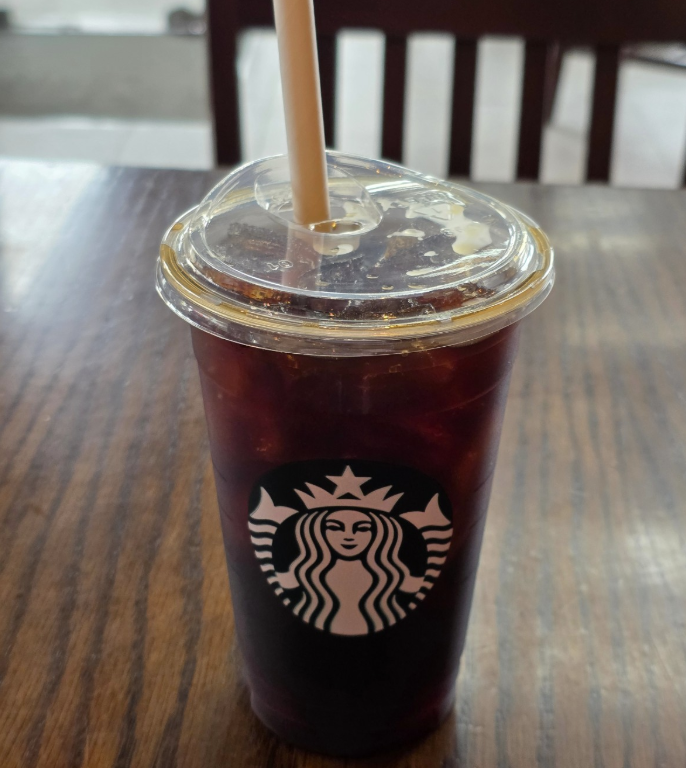
I am travelling for work this week so I have not been able to prepare my beans & cold brews. I ordered some local beans, but since I do not have them with me yet, I went to the good old omnipresent siren-lady coffee place.
I asked for a cold brew, no sugar.
I was already late for work, and took a few sips while waiting for my Grab which was 15 minutes away. It wasn’t until I was in the Grab when I remembered that I should try to taste the coffee.
In the haste of the morning rush, I had been taking sips, and what my brain registered was, “oh you can’t taste anything; it’s just cold”. But as I sat in the cramped backseat of the Vios, I took another sip but this time with intention.
Nose is restrained, with very little aromatics: muted roast, faint cocoa, almost neutral when served cold. On the palate, acidity is low and rounded, with no brightness. The profile centers on roasted coffee with a familiar, slightly musky character, moving into toast and milk chocolate, closer to cocoa powder than bar chocolate, with a subtle molasses-like sweetness rather than sugar. The finish is clean and short, a light dark-chocolate note and soft bitterness fading quickly, with a medium, smooth body built for easy drinking rather than contemplation.
There was a flavor profile after all; I just wasn’t paying attention.
The takeaway is about consuming with intention.
When I tell people about my coffee bean & cold brew journey, a lot of people say that they don’t have time for it or that they need a hot cup of coffee to get them going in the morning. Which is valid and is the reality for billions of people every single day, but there is something to be said about intentional consumption.
In my time working for Don Papa Rum, a big part of our budget and activations centered around art. And that was new to me. Being raised to always consider the bottomline, I had to logically convince myself on the merits of the arts. So one afternoon, I had a conversation with one of the founders on ‘why do we need art’.
She thought about it for a moment, then said we don’t really need art. We can survive without it. We can function, work, eat, move through days. But art takes us from existing to being. It adds dimension to life. It shows us the same world through different angles, emotions, and expressions. It lets us inhabit other realities and perspectives, even briefly. That shift matters.
Art also demands something from us. You can’t experience it while rushing through everything else. It asks you to pause. To slow down. To give attention. Enjoying art is an intentional act. You choose to step out of utility and into experience, even for a few minutes. And in doing so, life feels fuller, textured, more lived-in.
That’s where it clicked for me, especially in the context of Don Papa. Premium spirits aren’t necessities either. No one needs them. But they add color, ritual, and meaning to moments. The lore, the storytelling, the sense of place: they invite you to stop, pour slowly, taste deliberately. Like art, they don’t exist to optimize life. They exist to enrich it. And a life that isn’t lived, only processed, feels incomplete in a way that’s hard to measure but easy to feel.
So I circle back to the journey, which was never really about beans or gear or even cold brew. Coffee is a commodity. For most of us, it is an everyday ritual, something functional and repeatable, designed to get us moving. And that’s fine. But adding a bit of intentionality changes the experience more than you’d expect.
At the most basic level, it simply means enjoying the moment more. You taste the cup instead of just finishing it. You notice texture, temperature, the way it settles. From there, it can deepen. You start to appreciate how something is made, where it comes from, why it tastes the way it does. And taken to its extremes, intentionality lets you connect a sip of coffee to a specific place, a farm, a person, a moment in time. That may sound excessive, and it probably is. But that is the full range of what intention can unlock.
Which is mildly absurd, considering all of this came from a reminder to myself to actually taste a Starbucks cold brew instead of just ingesting it. A lot of words for a very simple adjustment: putting thought into the experience, not just letting a beverage trigger an automatic response from my nervous system. Turns out, even the most ordinary cup can hold more than caffeine, if you give it a little room.
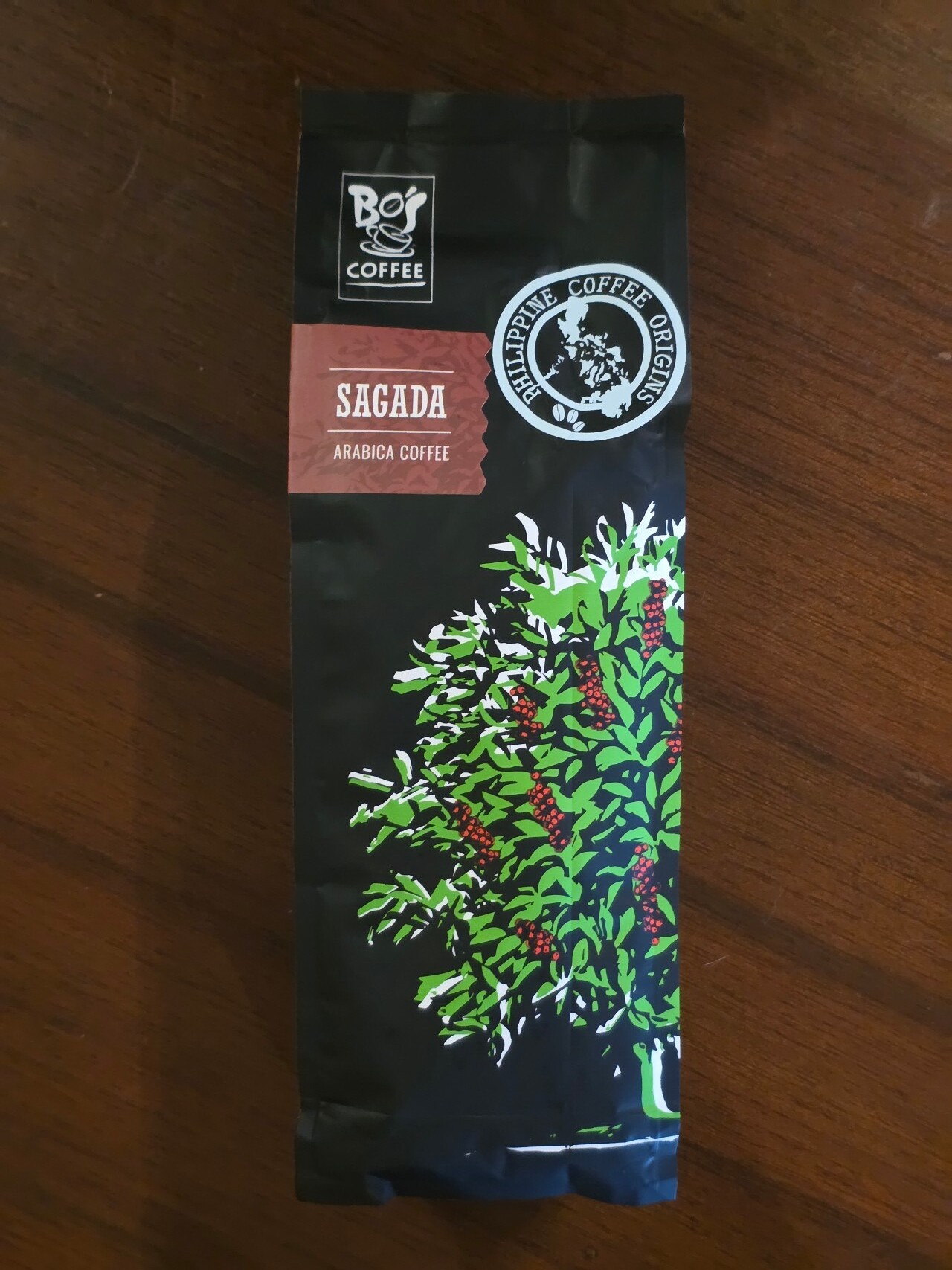
Malamig Brew Episode 9: Bo's Coffee Sagada Arabica Cold Brew Review Philippines
A cocoa-forward Cordillera Arabica that earns the daily driver label
Read more →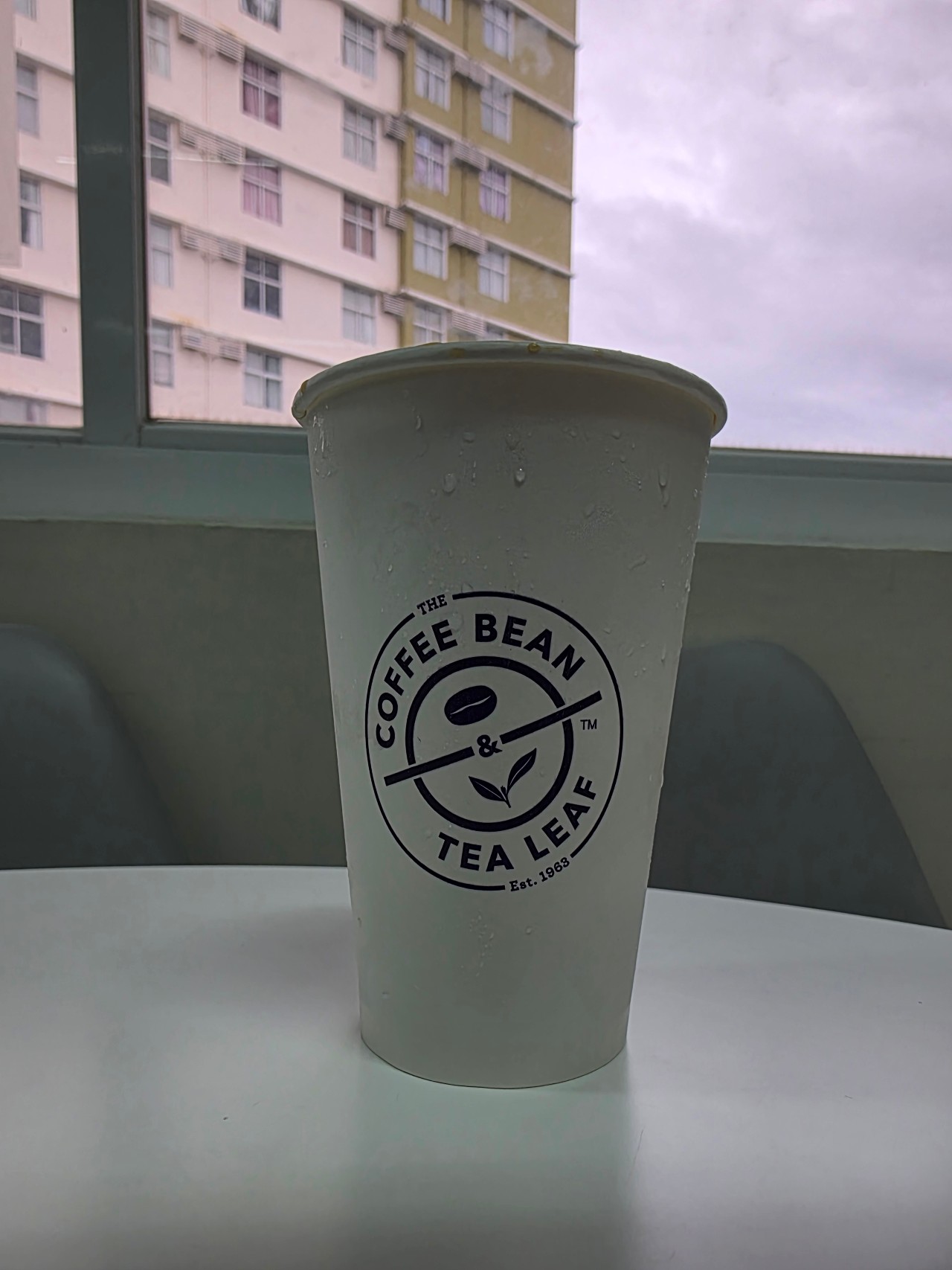
Malamig Brew Bonus: Coffee Bean & Tea Leaf Cold Brew Review Philippines — Or Was It an Iced Americano?
How to tell cold brew from iced Americano — and why it matters for what ends up in your cup
Read more →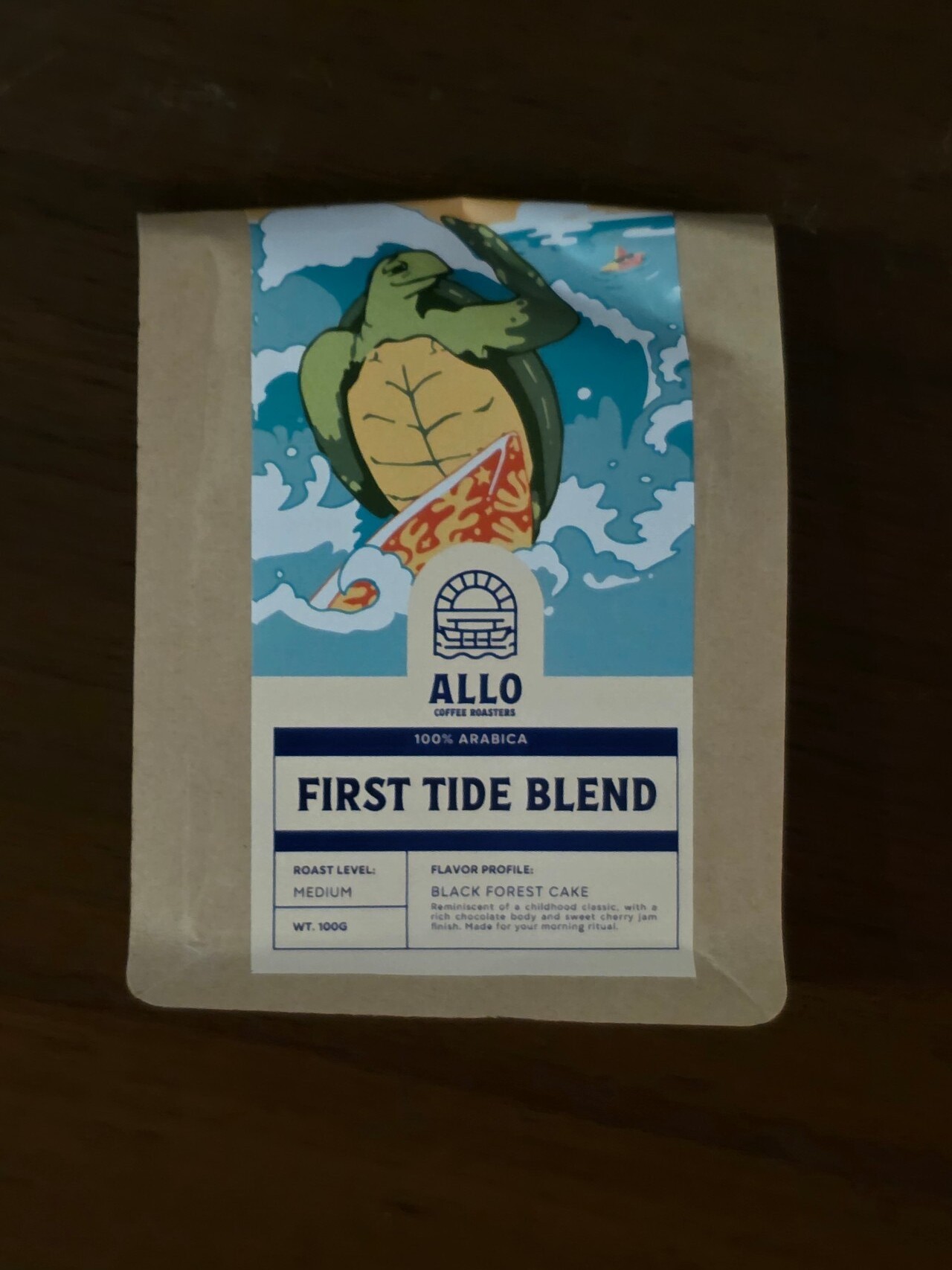
Malamig Brew Episode 7: First Tide Blend Cold Brew Review — Allo Coffee Roasters Philippines
A local roaster's bold, fermented-fruit blend that tastes like wine transformed into coffee
Read more →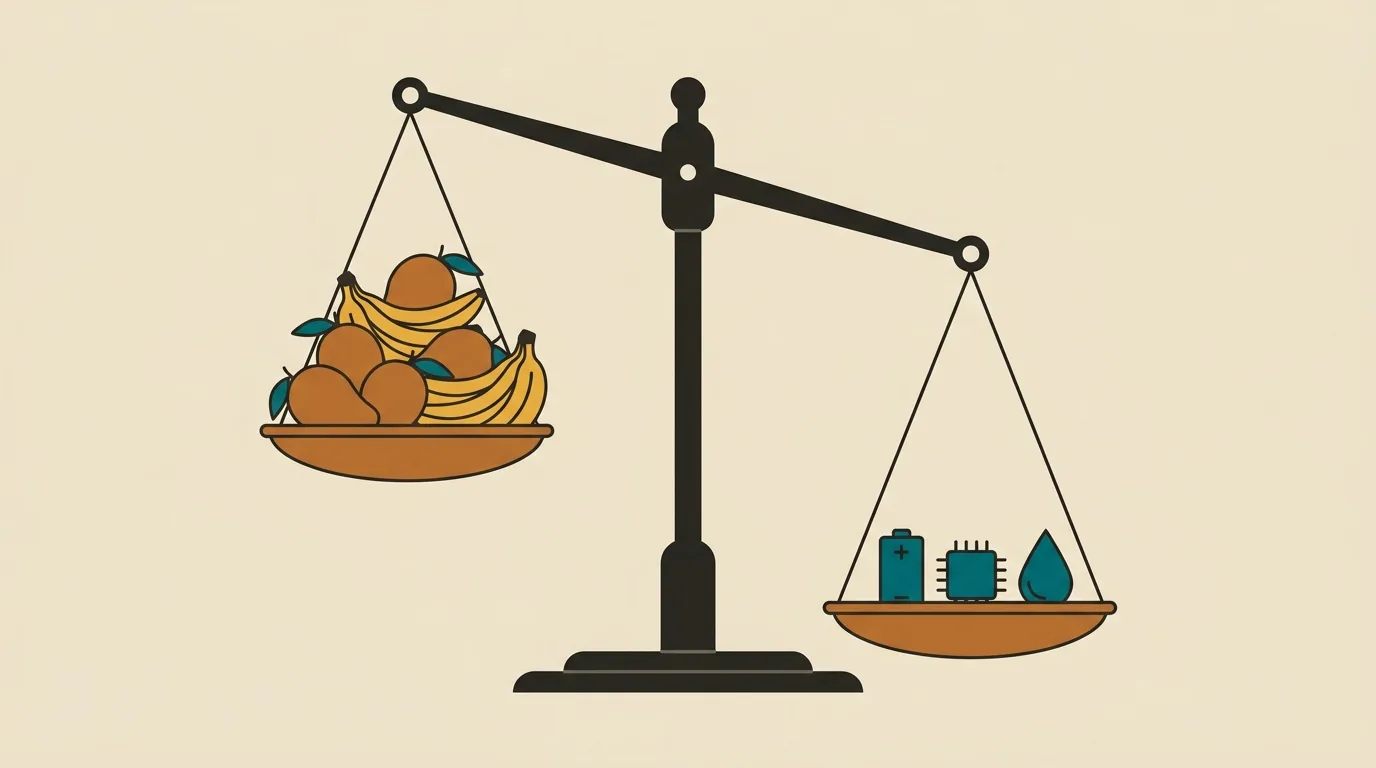
What does the world need from the Philippines? Right now, nothing it can't get somewhere else.
China refines 91% of the world's rare earths. Taiwan makes over 90% of its most advanced chips. We import 98% of our garlic and ship our nickel out as raw ore. What could the Philippines own that the world can't do without?
Read more →