On Asking "How Are You?" — What Psychological Safety Actually Looks Like at Work
Why care, context, and psychological safety are foundational skills, not soft ones.
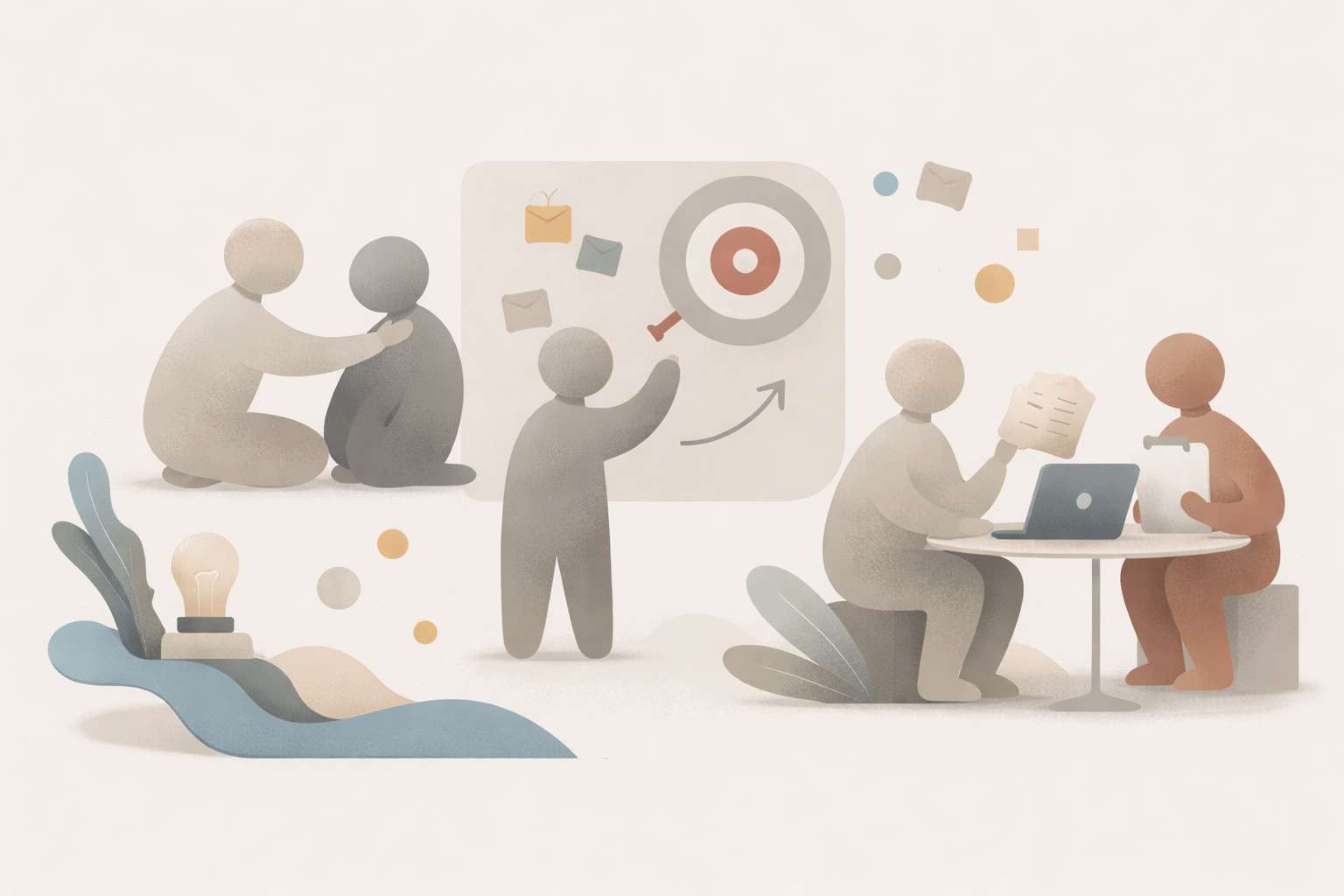
“How are you?”
Three simple words. But they mean a lot to me.
I’ve had bosses who never asked me that. Not once. Years would pass. Resentment would quietly build. Everything was about output, deadlines, and results. The work was all that mattered.
I decided early on that I didn’t want to be that kind of leader.
I want the people I work with to feel supported, not just in their tasks, but in their development as human beings. I am not selfish with their careers. They are not a means to an end. I invest in them as people.
And no, the company does not suffer because of this.
In fact, the opposite happens. When people are stable, when they feel psychologically safe, when they are confident in what they can do and who they can become, they contribute more. They think better. They care more. They take responsibility without being asked.
Care, it turns out, is not a distraction from performance. It’s a prerequisite for it.
This is where the conversation often turns generational.
People frame it as a Boomer–Millennial–Gen Z divide. Different values. Different work ethics. Different expectations. And yes, there are differences. But most problems don’t come from the differences themselves. They come from trying to force sameness.
I recently spoke with a friend who works in management consulting. They run a program on bridging generational divides at work. Their number one rule surprised me in its simplicity:
Do not expect millennials and Gen Z to work the same way you did.
That’s it.
Not better. Not worse. Just different.
The moment management accepts this, things start to move. Until then, leaders exhaust themselves trying to change things that are largely out of their control. The company starts to feel the strain. Friction builds. Everyone loses.
Asking “How are you?” is not about being soft. It’s about understanding context. It’s about recognizing that people bring their whole selves to work, whether you acknowledge it or not.
Good leadership isn’t about cloning your own experience in others. It’s about creating conditions where different people can do good work, sustainably.
Care without expectation of sameness. Direction without rigidity. Support without entitlement.
That’s the balance.

The Position Is Not the Person
I ran into a former leader in a mall. Someone from a company I used to work with. I made sure I said hi. I went out of my way, I made sure he saw me, I did the whole thing. Then I walked away and felt the ick.
Read more →
Communication Can Outrun Intelligence
One of the most valuable skills in business, and the same skill can march a company off a cliff. Both are true.
Read more →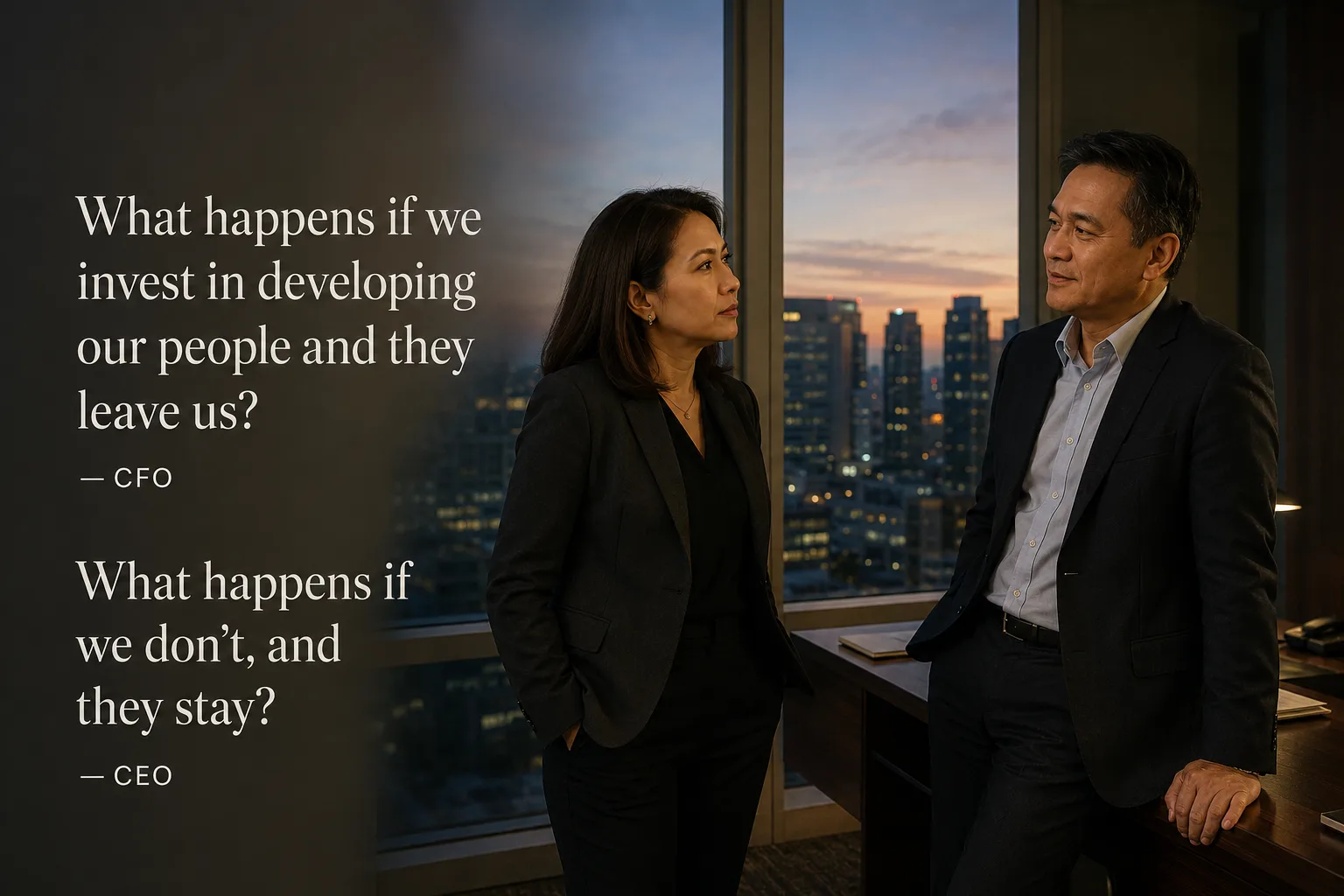
Develop Your People Anyway
The CFO's question is real. So is the CEO's answer. Twenty years on both sides of the training budget taught me which fear to respect.
Read more →
Alex Eala Doesn't Owe Us Anything
But she showed up anyway.
Read more →