On Dignity in Work
Why meaning, purpose, and employee engagement matter more than job titles — a leadership perspective
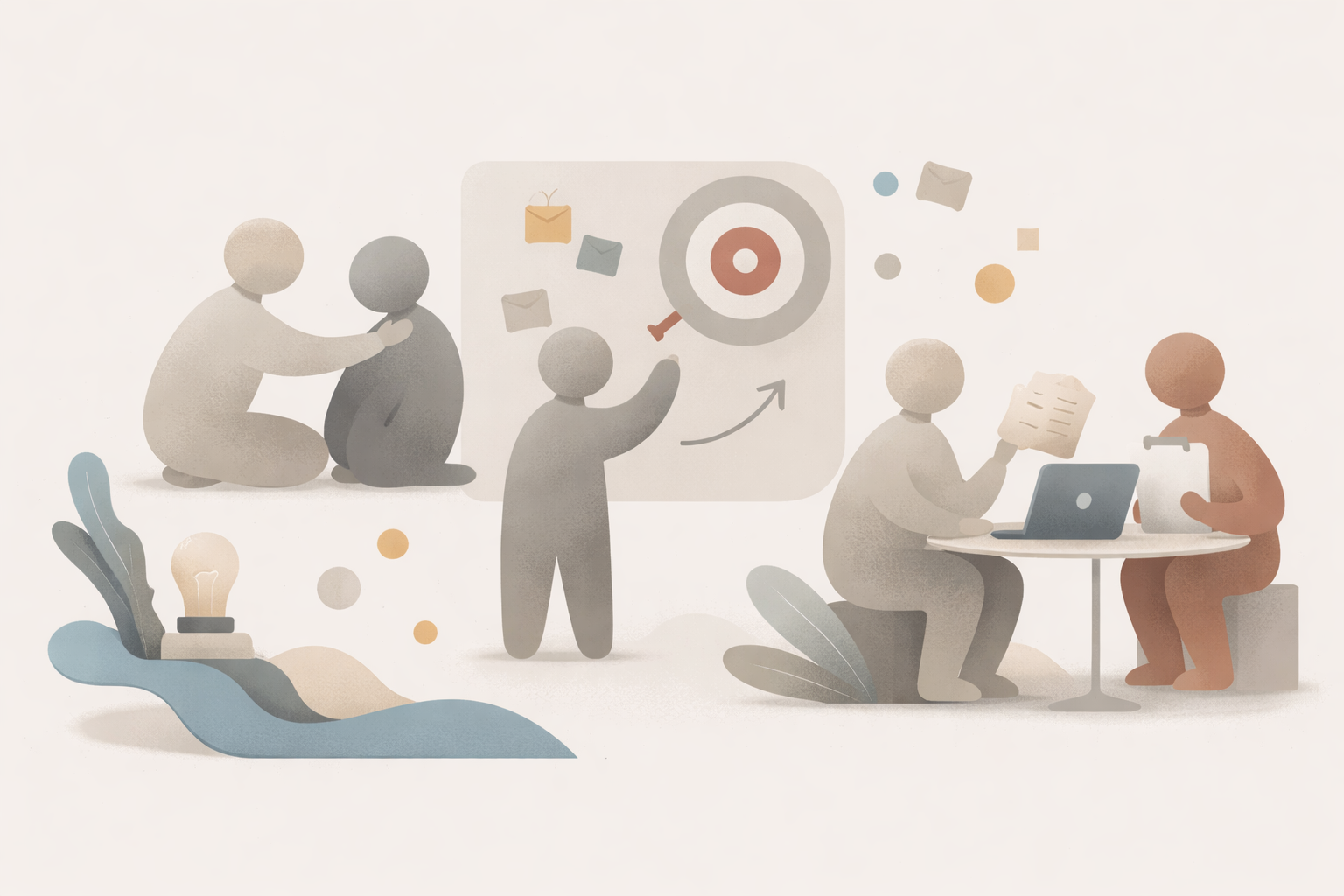
Today, I had a small but telling moment with a member of my team.
He hasn’t been performing at his best lately. Engagement has been low. During a presentation on our 2025 highlights, he walked us through a set of metrics. Accurate, complete, neatly compiled. And yet, something felt off. The data lived only in the room, only on the slide. It was meant for us, and only us.
I suggested a simple shift.
Instead of just tallying numbers for our own team, why not share these metrics with other department heads? People who would actually find the data useful. People who often end up asking for this information anyway. This way, the work doesn’t just sit in an Excel file or a PowerPoint deck waiting to be requested. It becomes proactive. It becomes anticipatory.
But more than efficiency, what I really wanted was something else.
I wanted him to see the value of his work.
I told him this: there has to be dignity in work. You need to know that what you do matters. Even tasks that feel routine, administrative, or invisible can carry real weight when they are connected to a larger purpose.
When shared well, something as simple as documenting metrics can help other departments make better decisions. It can make conversations easier. It can help suppliers and partners plan better. It can reduce friction for people you may never directly work with.
Suddenly, the work isn’t small anymore.
This idea of dignity in work is something I care deeply about.
Not because I believe every role needs to come with a grand mission statement. We are not saving lives here. We are not feeding the hungry. We are not fighting corruption. But we are showing up with intention. We are adding value. We are creating bridges between teams and opening up small opportunities for others to do their jobs better.
And in that process, work changes.
It stops being a checklist. It stops being performative. It stops being something you rush through just to get to the next thing.
It becomes consequential.
I think this matters especially now, especially when we talk about engagement and younger teams. Meaning doesn’t always come from world-changing ambitions. Sometimes it comes from understanding where your work fits in the system. From seeing how your effort makes someone else’s job clearer, smoother, or more effective.
Dignity in work isn’t about pretending everything is noble.
It’s about recognizing that even ordinary work can be done with care. That it can be shared generously. That it can ripple outward in ways you don’t immediately see.
And often, that recognition is enough to make people care again.

You Are Not Your Worst Day
One bad interview, one blown presentation, one terrible day. None of them are the verdict on you they feel like. There's actual math behind why.
Read more →
Go Where the Ceiling Is Higher
What De'Aaron Fox's move to San Antonio taught me about knowing your worth and finding the right fit.
Read more →
A Few Years Out
Change is on the horizon
Read more →
Alex Eala Doesn't Owe Us Anything
But she showed up anyway.
Read more →