Sinners Review: Ryan Coogler Makes the Case for Big—Original Cinema
Why the most Oscar-nominated film of 2026 matters beyond its box office numbers — and what it says about Hollywood (Now streaming on HBO Max)
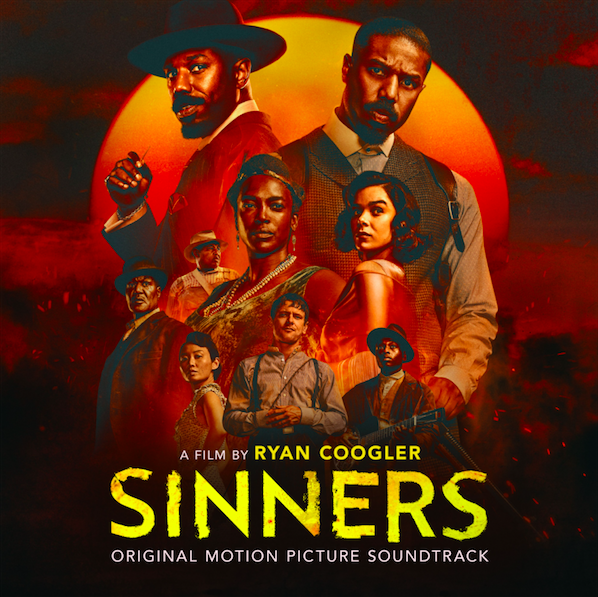
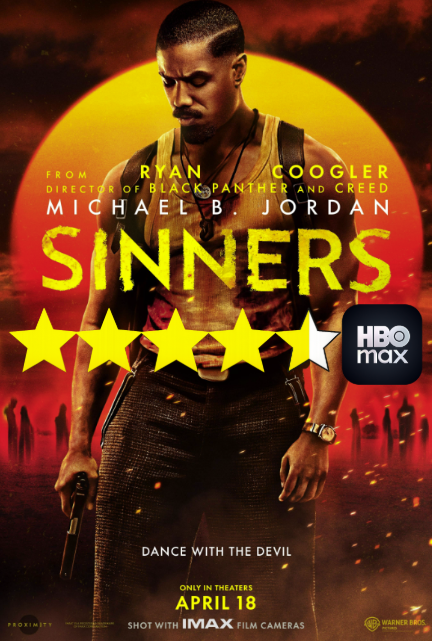
Sinners (2025) just broke the record for most Oscar nominations in a single year. Narratively, it feels like the frontrunner for Best Picture. The Oscars are meant to reward artistic ambition alongside cultural impact, yet they’re often criticized for elevating films that feel admired more than watched. Sinners quietly challenges that reputation. It reminds you that original stories can still connect widely and be profitable, without diluting their artistic intent.
At its core, Sinners is structurally ambitious. It unfolds as a historical drama first, then opens into a musical, and . That progression sounds crazy, yet the film stays remarkably controlled. Despite its length, the pacing holds. Scenes breathe without stalling. Each genre shift feels intentional rather than gimmicky.
That confidence carries into the film’s scale. The box office performance was massive, especially given how expensive and unconventional the project is. Ryan Coogler commits fully to spectacle. It’s beautifully shot, Michael B. Jordan is used with care, and this is very much a theatrical experience. It’s the kind of film that asks to be revisited, ideally in IMAX.
Even before watching, I came across a YouTube clip of Coogler enthusiastically breaking down film stock and aspect ratios. That attention to form makes sense once you see the film. Sinners feels designed for cinema, not just for screens. Every formal choice feels thought through.
One creative decision still feels unnecessary. I’ve long suspected that the two brothers were originally meant to be played by Michael B. Jordan and Jonathan Majors, extending their collaboration with Coogler after Creed III (2023). Instead, we get dual Michael B. Jordans. It’s technically impressive and invites Easter-egg hunting, yet it never deepens the story. The identical-twin choice adds cost and complexity without narrative payoff. Even on rewatch, there are moments of confusion about who’s who. The film usually guides you back, but the question remains: what does this actually give us? How does it add to the story?
Where Sinners becomes undeniable is in its sound. The soundtrack and sound design are exceptional. By now, most people have heard about the time-hopping, almost hallucinatory musical sequence. What impressed me was how grounded it felt. Part of me anticipated disorientation, yet my sense of reality never collapsed. It didn’t break the fourth wall. I bought into it completely. It’s one of the most striking musical moments in recent cinema.
With this film, Coogler also asserts his authority as a filmmaker. As if Black Panther (2018) wasn’t already a cultural landmark. As if the Creed trilogy (2015–2023) hadn’t already proven his ability to refresh a declining IP and make it personal again, even trusting Michael B. Jordan with the director’s chair for the 3rd iteration.
Many directors falter when given full creative freedom after initial success. Ari Aster struggled at the box office with Beau Is Afraid (2023) and Eddington (2025). Damien Chazelle’s Babylon (2022) failed to connect (after La La Land (2016) and Whiplash (2014)). Even Tenet (2020) remains divisive for Christopher Nolan. Coogler avoids that pattern. He clears the bar with ease.
That sense of ownership extends beyond the screen. Coogler negotiated an unprecedented deal that secures creative control and eventual ownership of the film by 2050. It’s a rare assertion of agency in modern Hollywood, and it mirrors the confidence embedded in the film itself.
Sinners is a must-watch. Ambitious, assured, and deeply entertaining. ★★★★★.
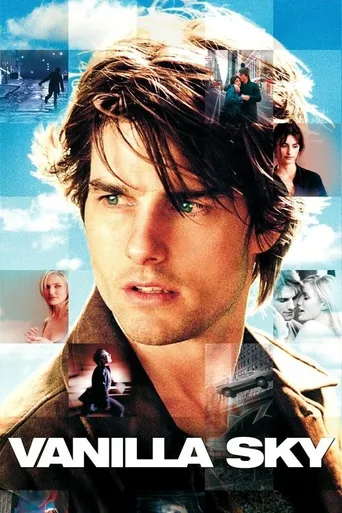
Film Diary: September 2026
Every film we watched in September 2026, ranked best to worst, good and bad, both our ratings.
Read more →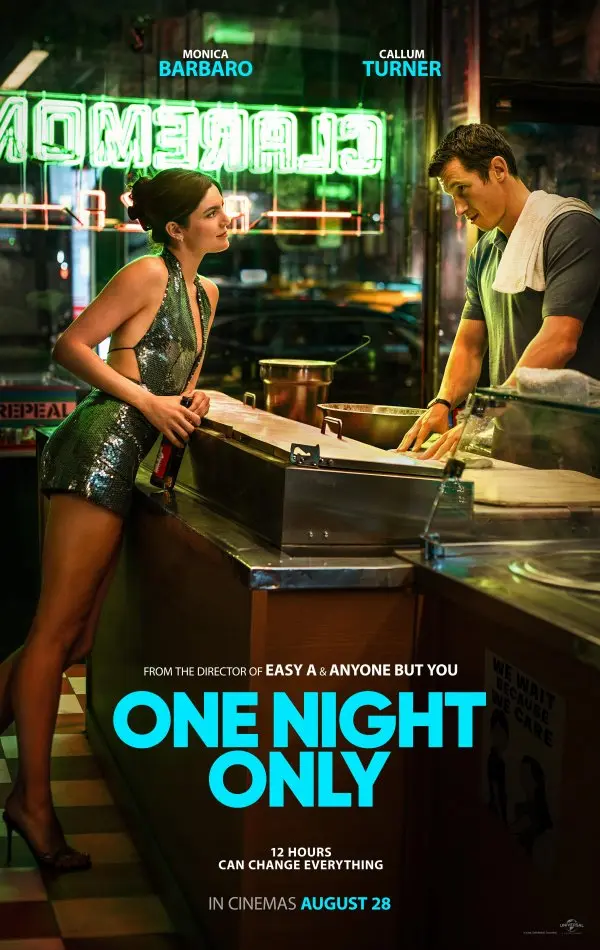
One Night Only (2026) No Spoiler Review: Monica Barbaro and Callum Turner Are Great, the Premise Just Isn't
Monica Barbaro and Callum Turner have real chemistry in this high-concept rom-com, but the movie and the cast are wasted on a premise that never needed to be this complicated.
Read more →
The Best Movies We Saw in Q3 2026
Everything that averaged four stars or higher between us in Q3 2026, ranked.
Read more →
Alex Eala Doesn't Owe Us Anything
But she showed up anyway.
Read more →