The Company in Cyan
Green GSM has a real window right now. Here's what they should do with it.
Four weeks into the Iran conflict, gasoline prices in the Philippines have hit record highs. And the damage isn’t just at the pump.
My wife and I spent the long weekend at a resort in Davao. When we arrived, the empty amenities told the whole story before anyone said a word. The place was running at 10% capacity. Staff had been cut. Services were scaled back. The pool was open but there was no one in it. When we asked, the answer was simple: the locals had stopped driving there. Higher gas, fewer road trips, less spend, lower revenues, workforce reduction. The domino effect, playing out right in front of us.
On the way home from the airport, we tried Green GSM.
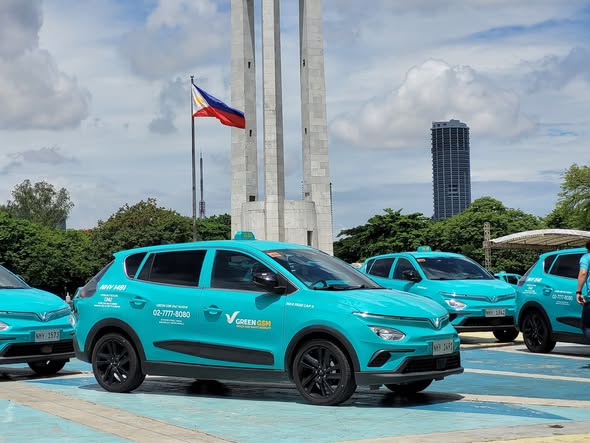
I want to write about what that ride taught me, not just about one company, but about what a real brand opportunity looks like when the environment hands it to you.
The Color of Differentiation
Before I get into strategy, let me start with something that sounds trivial: the color.
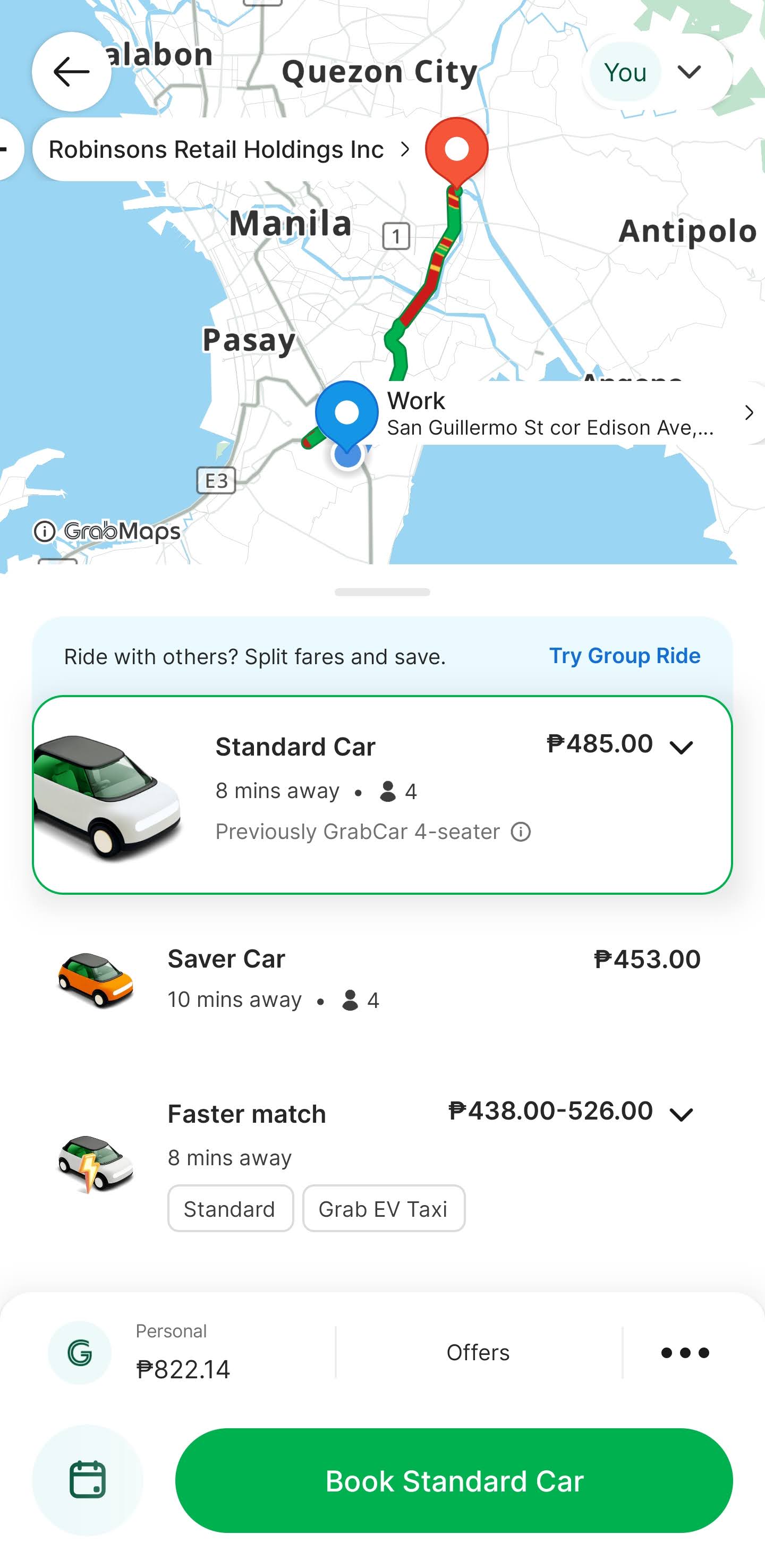
Grab is royal green. Dark, dominant, established. It’s the green of market leadership, serious, institutional, everywhere.
Green GSM is cyan. Bright, light, almost playful. It pops differently. And if that company has any sense, that distinction is not accidental.
Color is one of the fastest signals a brand sends. You don’t need a tagline to communicate “we are different from the other guys” when your color is literally a different shade of green. The visual language is already doing work. The question is whether Green GSM knows this and whether they’re pushing it hard enough.
The VinFast Angle Nobody’s Talking About
Here’s the detail that surprised me most.
The cars are VinFast. Specifically, the VinFast Nerio Green, a purpose-built electric vehicle made exclusively for Green GSM. You will not find this car in any VinFast dealership. It is not for sale to the public. It is built for this fleet and this fleet only.
That’s a clever structure. Honda, for instance, enforces a strict no-taxi policy on all its Philippine sales, a corporate decision Honda itself made to protect brand image and resale value for its retail customers. By commissioning a purpose-built fleet vehicle with VinFast, Green GSM sidesteps that kind of restriction entirely. The car exists outside the retail market. It wasn’t sold to a buyer who then converted it. It was built for this purpose from the beginning.
But here’s where it gets more interesting. Our driver, unprompted, started talking about VinFast’s other cars. The upscale models. He walked us through the price differential versus gasoline cars, factoring in current fuel prices, Meralco rates, depreciation. He made a convincing case. Even I, a person who was not in the market for an electric car, found myself actually considering it.
Whether that pitch was personal initiative or a structured program, it should be deliberate. Green GSM and VinFast are sister companies under the same conglomerate, Vingroup, founded by Chairman Pham Nhat Vuong. If a Green GSM driver is your warm introduction to the VinFast brand, your first experience of what an EV feels like, how it rides, how quiet it is, how much space is in the cabin, then the taxi service becomes a showroom. Every completed booking is a test drive for someone who never asked for one.
That’s a distribution strategy disguised as a transport service.
What the Marketing Playbook Should Look Like
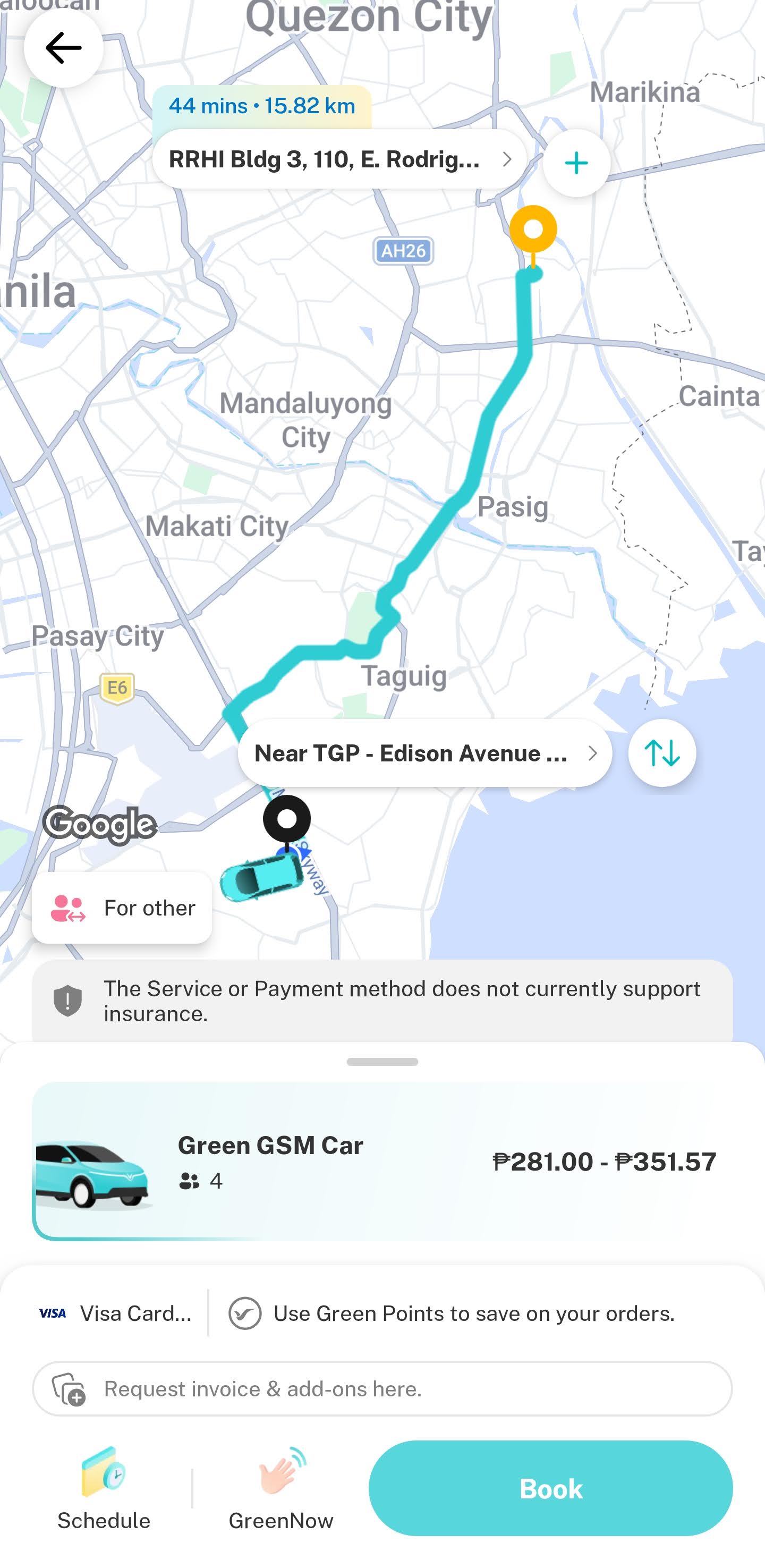
Green GSM has one narrow window here. The crisis is creating urgency, but urgency fades. They need to move now, and they need to move with a distinct identity. Otherwise they’re just “the cheaper Grab,” which is a race to the bottom they will eventually lose once Grab responds on price.
The brand architecture is already there. They just need to commit to it.
Start with the color. Own teal the way Tiffany owns that particular shade of blue. Put it on everything. Cyan bucket hats. Oversized shirts. Tote bags. Not corporate swag, actual streetwear that a 20-year-old would wear without being paid to. The Gen Z aesthetic isn’t accidental here: it carries a specific message. Bright colors, intentional branding, and a refusal to look like the establishment. That’s the exact distance Green GSM needs to place between themselves and Grab.
Then go to the campuses. Partner with universities. Give student discounts, real ones, not 10% with a promo code that expires in 48 hours. Penetrate the commuter belt of Metro Manila one college at a time. The college-to-early-jobber market is price-sensitive, values-aware, and extremely vocal online. They share what they believe in. If Green GSM becomes their brand, they become Green GSM’s marketing department.
The message that ties all of it together: we are not the establishment. Their drivers are direct employees, earning a fixed salary plus commissions, with SSS, Pag-IBIG, and a 13th month. That’s not a labor practice, that’s a brand value. In a gig economy where platform workers are frequently squeezed, that employment model is genuinely different. Say it loudly. Put it on the tote bag if you have to.
The contrast writes itself. Grab is the category leader. Green GSM is the alternative for people who believe the category leader could do better. That’s a real positioning, and there are enough consumers in Metro Manila who want exactly that option.
The airport limitation is real. Green GSM doesn’t have access to at least some terminals the way Grab does. That’s a structural disadvantage they can’t market their way out of. But outside the airport, the playing field is open. And the gap at the airport is actually useful positioning: we haven’t paid for access, we earned ours.
The Consumer Wins Either Way
My wife and I are Grab users. We will remain Grab users. The booking experience is smooth, the driver quality has improved significantly over the years, and the infrastructure is deep.
But the best thing that can happen for Filipino consumers is that Grab has genuine competition.
Green GSM, at this moment, is that competition, not because they’re bigger or faster or more reliable, but because they exist, they’re different, and they’re cheaper at a time when cheaper matters. If they can hold that position and grow into it, Grab will have to respond. That’s how markets are supposed to work.
The Iran conflict won’t last forever. Gas prices will eventually stabilize. The window that Green GSM has right now, where their core value proposition is amplified by the external environment, is temporary.
The brand they build in this window doesn’t have to be.
Don’t drop the ball. Move fast.

Pax Silica: Much Ado About Nothing
Pax Silica has no confirmed investor and no tenant, yet everyone is fighting over it. A lesson in owning the narrative, and why a semblance of a plan is not a plan.
Read more →
Diversity Marketing Is Working
Gap's KATSEYE ad moved denim sales while the louder campaign next door moved a stock price. Three years of Gap campaigns say the same thing about reading the room.
Read more →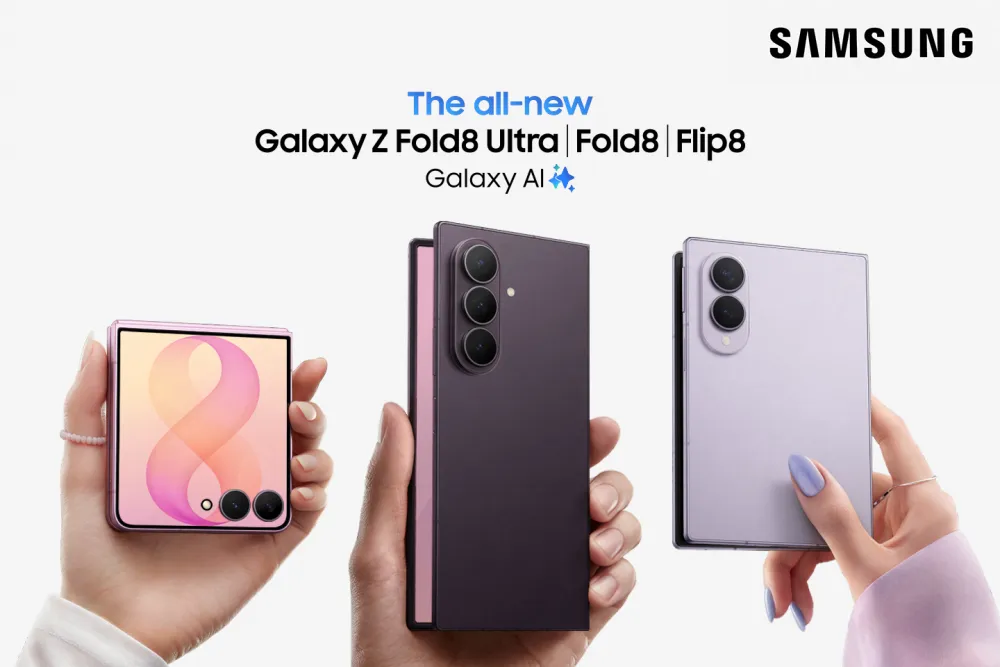
Samsung's Petty Genius
They named their new foldables to box in Apple before Apple even ships. I'm a Samsung guy, and I'm here for it.
Read more →
Alex Eala Doesn't Owe Us Anything
But she showed up anyway.
Read more →