The King's Reign Is Over
LeBron James is 41 and he might still play next season. Even this year, 21 points a game, 51% from the field, 7 assists a night. Not “for his age.” Just one of the best players alive.
After the Lakers got swept by Oklahoma City in the second round, he told reporters: “I don’t know what the future holds for me, obviously, as it stands right now tonight.”
Love him or hate him, you’ve got to give Lebron his flowers. Most points in NBA history. More playoff wins than 70% of the franchises. Twenty-two years in, and the man was still a problem this season. But here’s what doesn’t get said enough: basketball changed multiple times while LeBron was in it, and every single time, he adapted. He came in as a freakish athlete. Became a player. Became a tactician. Developed his shooting, his long-distance. Became a floor general. He found ways to stay relevant across different eras of the game because he was smart enough to evolve. That’s the real legacy. That’s what separates him.
But the game has changed again. And this time, the change isn’t one he can follow.
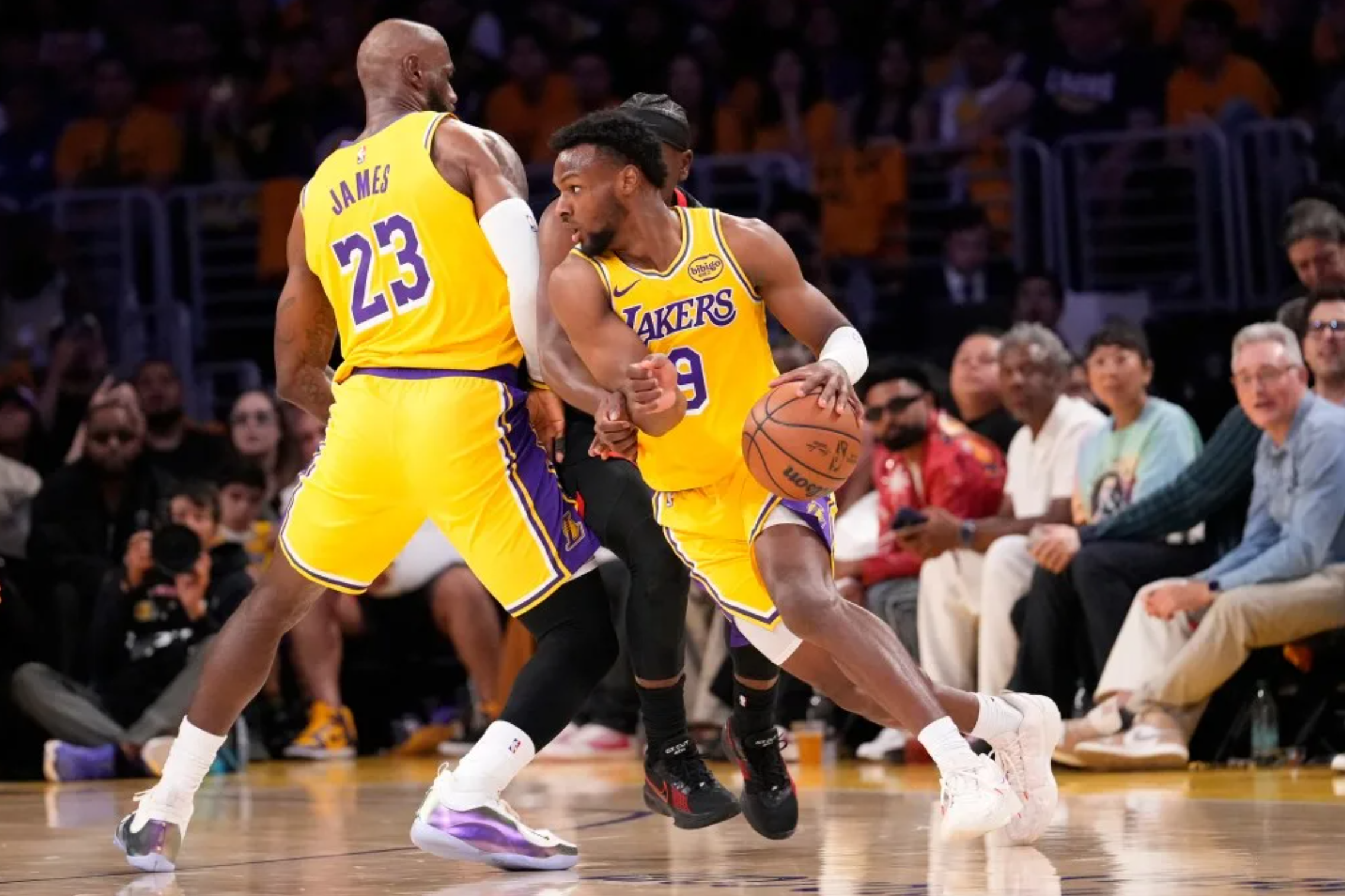
For two decades the dominant model was simple: find the superstar, clear the lane, let him work. Super teams. Big 3s. Mamba Mentality. There was always an alpha, and everyone else was there to support the alpha. Kobe. LeBron. Durant. The game was organized around the idea that one extraordinary person could will a team to a title. GenX grew up with that. We believed it. In a lot of ways, we structured everything around it, not just basketball.
I saw the first real crack in that model not in the NBA. I saw it in Philippine basketball.
The PBA for a long time ran on the same model. Get the import, hand him the ball, hope for the best. No plays, not really. No defensive schemes, no spacing, no science. The plan was “do good.” Talent and hustle and prayer, and the best import usually won.
Then Tab Baldwin’s Ateneo Blue Eagles started doing something different.
Baldwin came in after superstar Kiefer Ravena left, which was supposed to signal a down period for the program. Instead, Baldwin built something where not a single player averaged double digits. No one player was the plan. Everyone was the plan. They won the UAAP three years in a row, swept an entire elimination round 14-0, winning by an average of 17 points. College kids playing with a system so disciplined that they were outplaying professional teams in international competitions.
And watching them was different. There was a flow to that Ateneo basketball you didn’t see anywhere else. The ball moved. Everyone moved. No one stood still waiting for the star to create something. Every player knew exactly where to be and why, and when one went down, the next stepped up and the system kept running. Next man up. It was genuinely beautiful to watch.
Then last season, the Indiana Pacers met the Oklahoma City Thunder in the NBA Finals. Number one offense in the league versus number one defense. Two young teams, both built through the draft, both built on systems and depth and everyone contributing. No dynasty players, no veterans collecting a final ring. OKC won it in seven. Shai Gilgeous-Alexander was the Finals MVP, and he deserved it, but this was never a one-man show. That was the whole point.
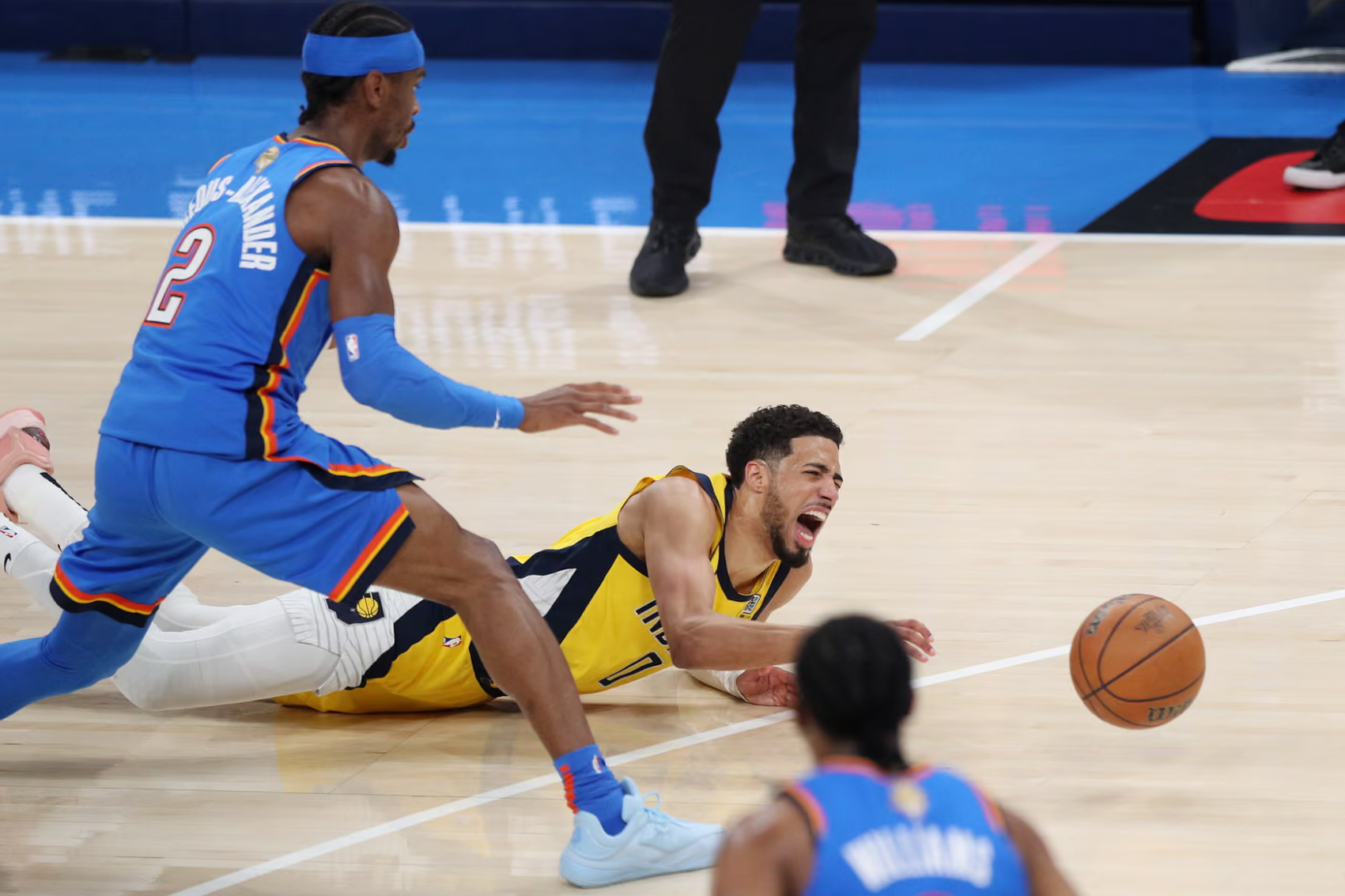
Then this postseason, OKC went back to the top of the West. They swept LeBron’s Lakers. Shai had beaten LeBron. The old king and the new one had met, and the new one won.
And then San Antonio showed up.
The Spurs just beat the Oklahoma City Thunder in seven games to advance to the NBA Finals, their first Finals appearance since 2014. And the way they did it tells you everything about where this game is going.
Victor Wembanyama is the most extraordinary thing in basketball right now. He is 22 years old, 7’4”, and plays like a point guard. He reads the floor, hits threes from Curry range, protects the rim, and controls a game in ways that no one his size has ever done. In Game 1 he dropped 41 points and 24 rebounds, then hit a deep three in double overtime to win it. He’s already something the league has never seen.
But in Game 7, when it mattered most, Wemby had 22 points and 7 rebounds. Good game. Not a takeover. And the Spurs still won, because Julian Champagnie put up 20. Because Stephon Castle, 20 years old in just his second season, is relentless on both ends. Because Dylan Harper, a 19-year-old rookie, finished with 24 points and a team playoff-record seven steals in Game 1 and kept showing up. Because Carter Bryant, another 19-year-old rookie, plays his role without flinching. Because the whole roster showed up every single night.
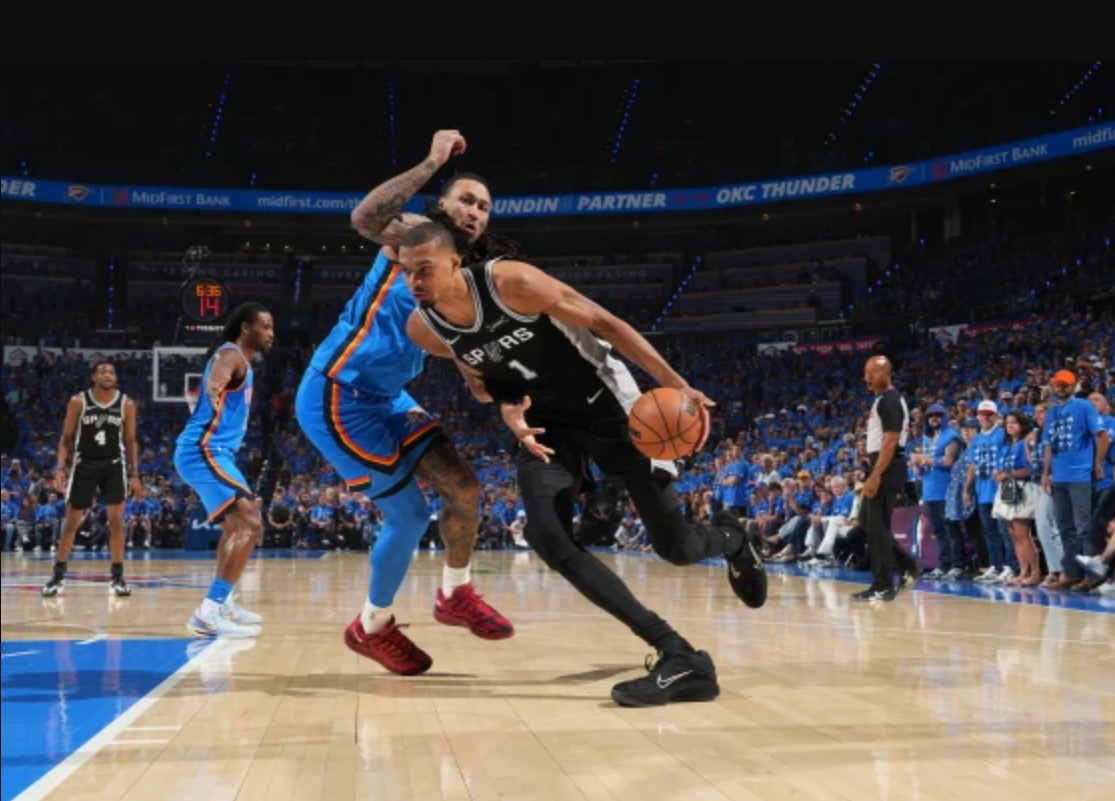
In this series, both teams clamped down on the other’s superstar. Wemby was contested. Shai was contested. The defenses were real. And what decided the series was everything around those two: the role players, the system, the collective guts of the whole team.
The Spurs’ starting five in this series was the youngest in conference finals history. Wemby in year three. Castle in year two. Two teenagers in the starting rotation. Everyone in the league, all postseason, said they were too young. No playoff experience. Not ready. Somehow, they went to seven games with the defending champions and won.
Shai beat LeBron. Wemby beat Shai. The succession is happening in real time.
A new breed of basketball is here. And it isn’t just about the sport.
Millennials and Gen Z don’t organize around the alpha the way GenX did. They don’t wait for the one great person to carry everyone. They’re drawn to systems that distribute, to teams where every person has a real role, to organizations where “next man up” is actually true and not just something a coach says. They want to see the whole machine work, not just one extraordinary individual surrounded by extras.
The Ateneo team under Tab Baldwin was that. The Pacers were that. The Thunder were that. And now the Spurs, the youngest team in conference finals history, full of kids everyone said weren’t ready, are going to the NBA Finals. Because the system held. Because the collective held. Because when Wemby had a good-but-not-great night, Champagnie scored 20 and Castle and Harper were there.
Things are changing in basketball. Things are changing at work. Things are changing in how the next generation expects to be organized, to be led, and to lead. The era of building everything around one indispensable person, on the court or in a company, is giving way to something more distributed, more deliberate, more like a system where everyone has a role and everyone is accountable.
LeBron will probably lace up again. He’ll still be great. But the teams winning now were built for a game that has moved past the one he grew up in. For the second year in a row, the NBA finals doesn’t have an old head.
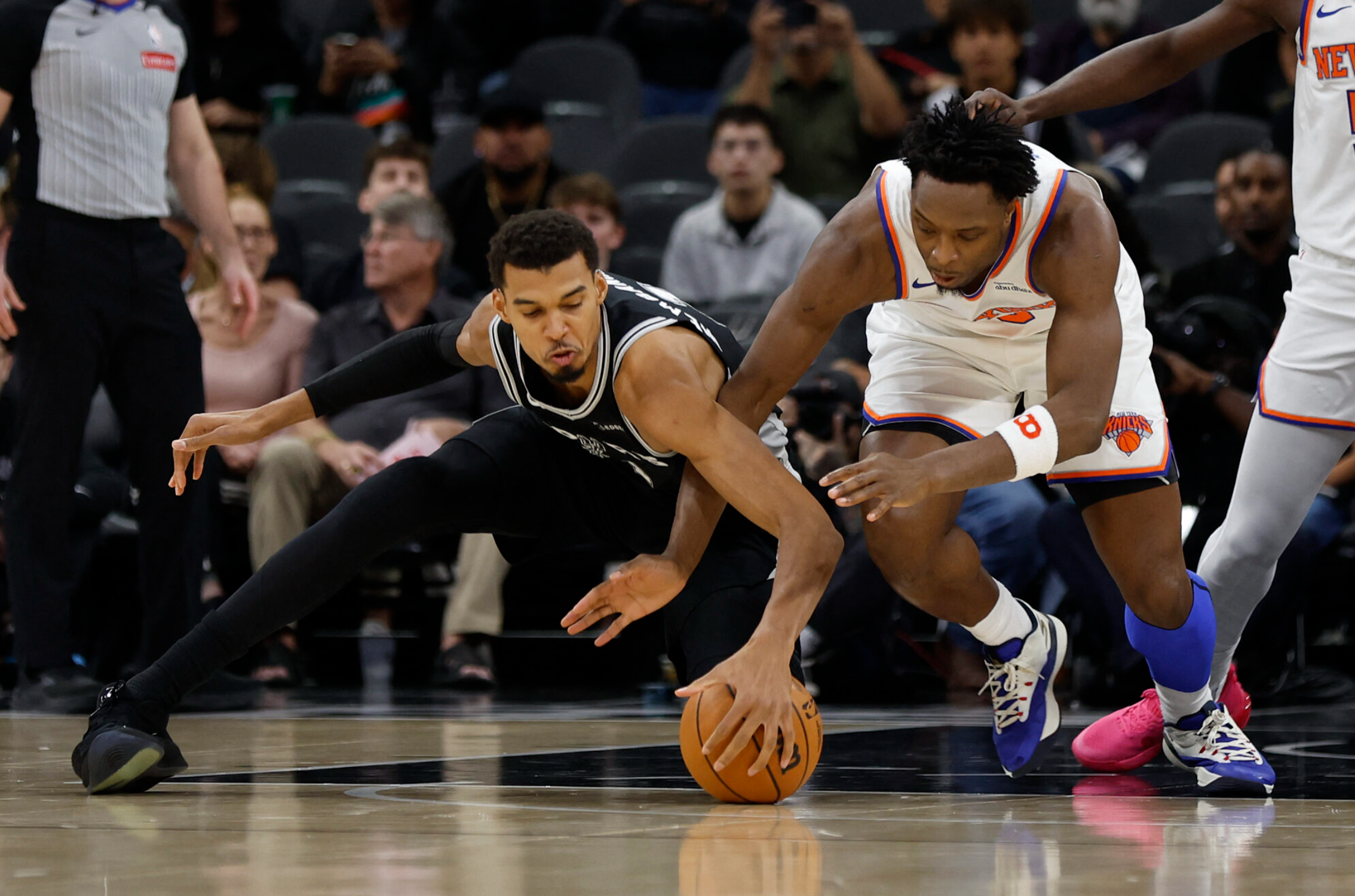
Hali & the Pacers vs Shai & the Thunder last year. Brunson & the Knicks vs Wemby & the Spurs this year. Not just superstars but whole teams, next man up, offensive & defensive schemes, a genuine understanding of the art & science of the game.
The new era is upon us.

How Do You Change Someone's Mind? Tell Them You Heard Them First
If you've been following the impeachment trial, you've heard it a hundred times. Someone raises a point, and Presiding Officer Chiz Escudero answers, "Duly noted."
Read more →
I bought a Windows laptop last year. If I were buying now, my Android phone would talk me into a Googlebook.
Google's premium laptop is no longer a Chromebook. It's an Android laptop built around the phone you already own, and ten features would have made me buy one.
Read more →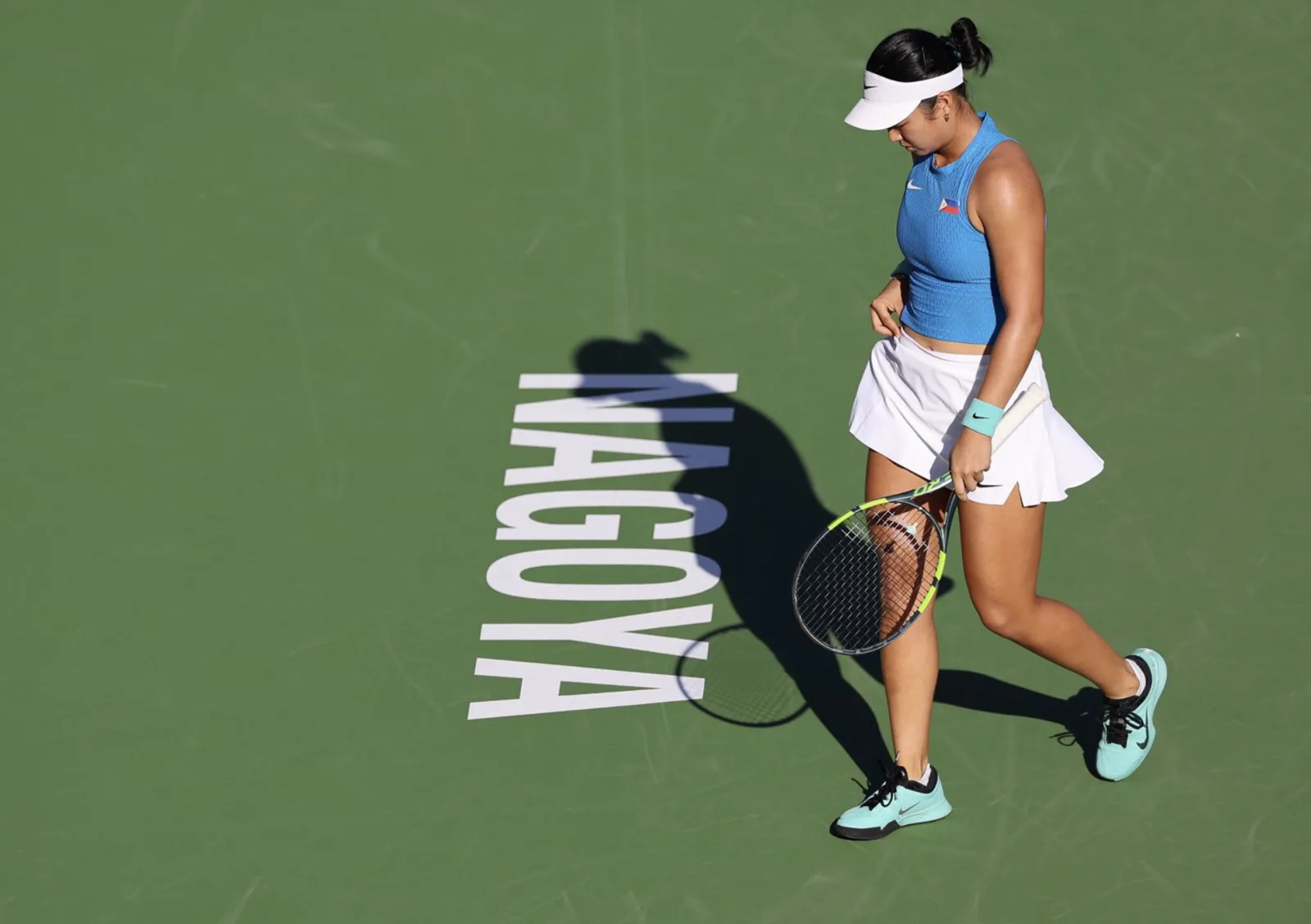
Alex Eala Doesn't Owe Us Anything
But she showed up anyway.
Read more →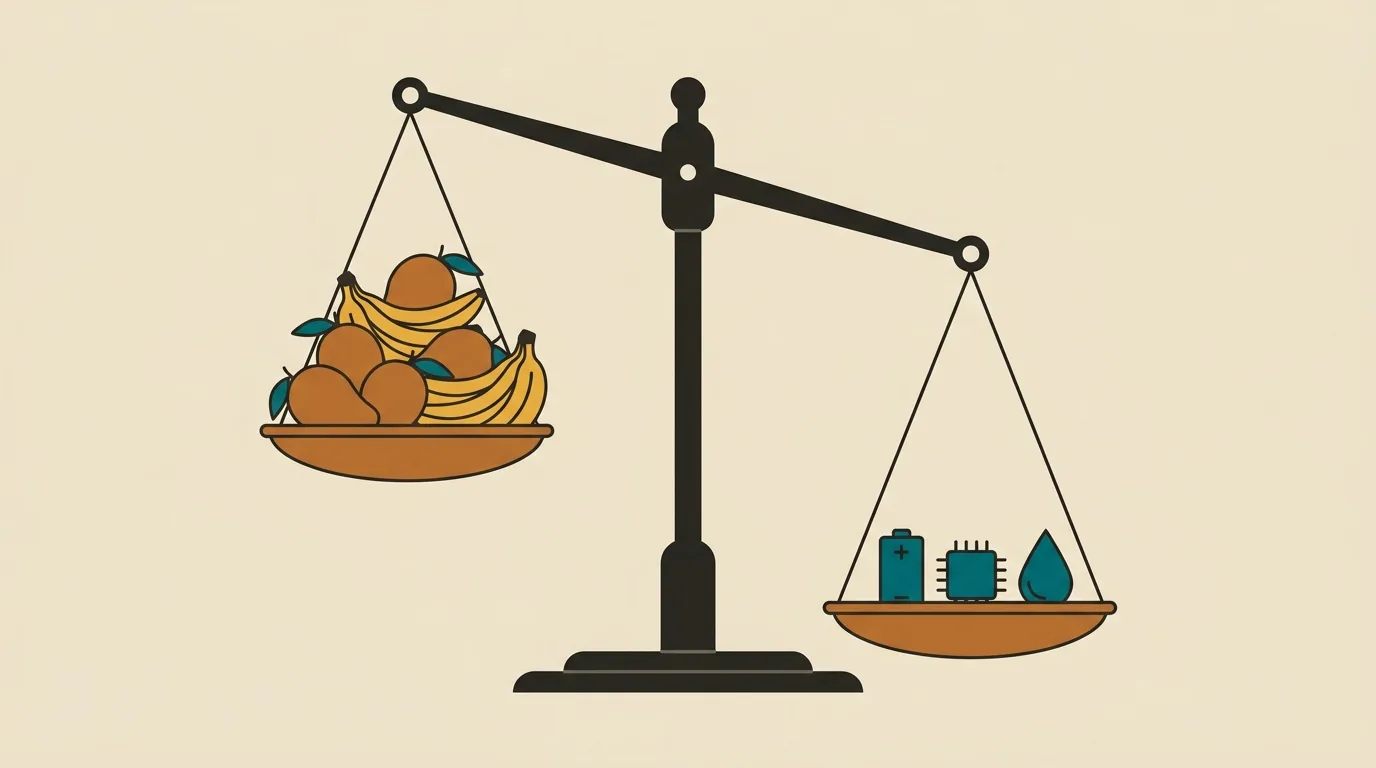
What does the world need from the Philippines? Right now, nothing it can't get somewhere else.
China refines 91% of the world's rare earths. Taiwan makes over 90% of its most advanced chips. We import 98% of our garlic and ship our nickel out as raw ore. What could the Philippines own that the world can't do without?
Read more →