What Philippine Fashion Brands Are Sitting On
A brand person's take on why local labels are losing ground, who's figuring it out, and what it would take to compete globally
I want to be upfront about something. I am not a fashion person. I am not an above average fashionable person. I don’t follow trends, I don’t have strong opinions about silhouettes, and I couldn’t tell you what’s on a runway right now if you asked me. But I am a brand person. I’ve spent over 20 years building and rebuilding brands across FMCG, retail, and services. And branding principles transfer. The fundamentals don’t change just because the product is a pair of jeans instead of a box of cereal.
So this is me looking at Philippine fashion through a branding lens. And there’s a lot to look at.
When I was in high school, the local brands were the brands. Penshoppe, Oxygen, Kamiseta, Bayo, Bench, JAG. If you were a teenager in a mall in the late ‘90s or early 2000s, you knew these names. I remember going to Robinson’s Galleria, which was near my school, and being a super fan of this store called P.I. Basics. They were on trend, they were well priced, and they had that oversized aesthetic that was in style at the time (and is again, because fashion is cyclical like that). I don’t know what happened to P.I. Basics. I looked it up. There is nothing. No Wikipedia page, no nostalgic blog post, no “remember when” thread. They disappeared completely. That’s what total brand death looks like. Not a slow fade. An erasure.
Now walk into any major mall in Metro Manila. What do you see? Uniqlo. Zara. Mango. H&M. These global brands have taken the space that local brands used to own. And it raises a question that I think about a lot: what happened, and can local brands get that ground back?
The Ones Riding the Wave
Not all of them fell behind. Bench and Penshoppe are the two that clearly figured out how to keep moving.
Bench, under Ben Chan, went from a t-shirt store to over 1,500 stores worldwide, including locations in the US, China, Japan, the Middle East. More than 9,000 employees. Over 700 local suppliers. Chan keeps expanding into new categories: cafes, beauty, wellness, global brand partnerships. Bench has become less of a clothing brand and more of a lifestyle conglomerate. That’s a deliberate evolution. You don’t get to 1,500 stores by accident.
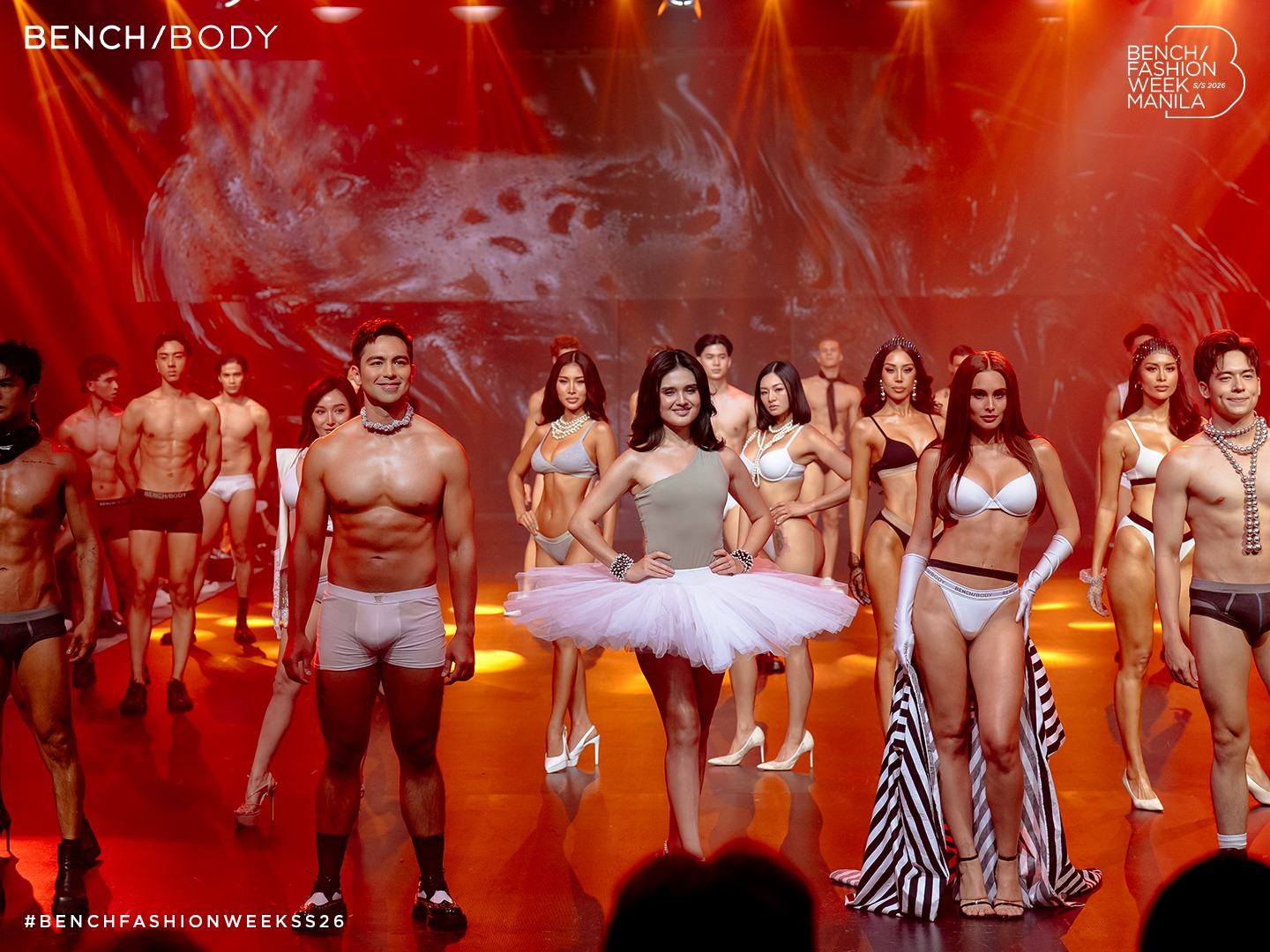
Penshoppe is interesting in a different way. Golden ABC, its parent company, also owns OXGN (which is actually Oxygen, rebranded and repositioned), ForMe, Memo, Regatta, and Bocu. So Oxygen didn’t die. It got absorbed into a bigger house. Whether that’s a good thing or a loss of identity is a conversation worth having.

But Penshoppe itself is doing something right. They’ve managed to stay relevant to GenZ through a combination of celebrity endorsements (BINI, Lisa of Blackpink, NCT Dream, Gigi Hadid, Kendall Jenner) and an aesthetic that, intentionally or not, fits the Y2K revival that GenZ is into right now. That early 2000s look that Penshoppe has carried for years is suddenly on trend again. Fashion is cyclical, and they happen to be standing in the right spot. The Liu family is transitioning leadership, with Alice Liu stepping into the CEO role in January 2025, and they’re planning a global relaunch across ASEAN, Africa, and South America for Penshoppe’s 40th anniversary in 2026. They even launched PENSHOPPE PLAY, an activewear line, in March 2026. There’s ambition here.

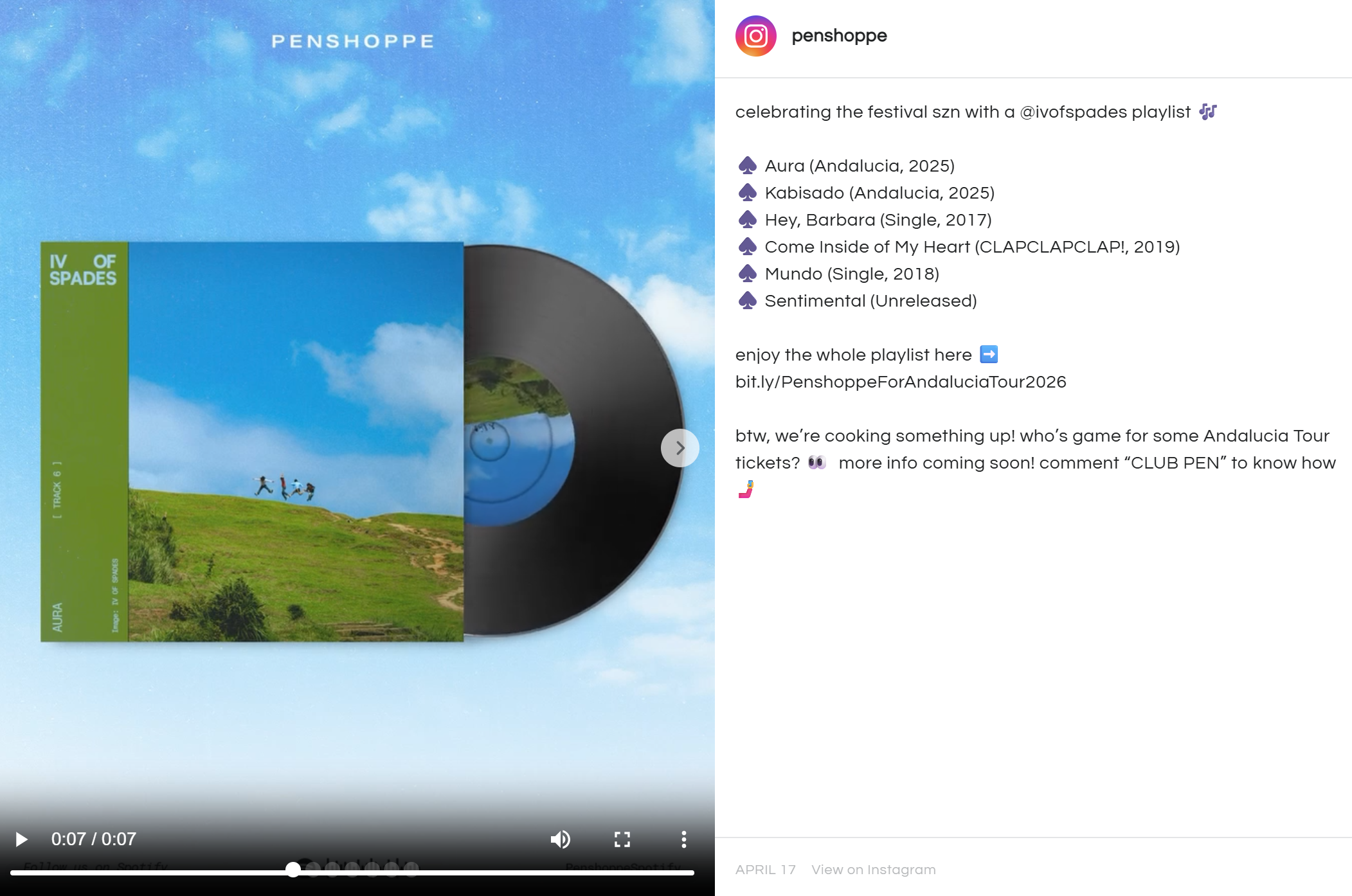
But here’s where my brand brain starts asking questions. Celebrity endorsements and trend alignment are marketing. They attract attention. They drive trial. But what is Penshoppe’s brand purpose beyond “trendy clothes at a good price”? What is the competitive advantage that only Penshoppe owns? Because if the answer is “we have good endorsers,” that’s a rented advantage. Someone else can always get a bigger endorser.
The Case for JAG
Let me spend some time on JAG because I think they represent a specific challenge that a lot of heritage Philippine brands face.
JAG has been in the Philippines since the 1970s, brought in by the Siy family through Fil-Pacific Apparel Corporation. Fil-Pacific also holds Lee, Wrangler, Tribal, USPA, and Zoo Yorker in the Philippines. That’s a significant portfolio. This is not a small operation. We’re talking over $100 million in annual revenue. JAG has denim heritage. It has manufacturing infrastructure. It has decades of brand recognition.
The problem, and I think anyone who grew up with JAG would agree, is that JAG’s core consumers grew up with JAG. They’re now in their 40s, maybe older. The brand hasn’t found its way to a younger consumer. And the third generation of the family is now stepping into leadership, with Bea Siy leading the e-commerce push after returning from California in 2022. The e-commerce focus makes sense. Fil-Pacific missed out on online sales during the pandemic because they weren’t set up for it. But e-commerce is a channel. It gets your product in front of people. It doesn’t tell them why they should care.
Here’s what I’d say to JAG, and this applies to any heritage brand trying to reach a new generation: before you market to GenZ, find your purpose to GenZ first. What gap can you fill in their lives? What need can you meet that nobody else is meeting?
All good branding stems from a business need, a competitive advantage. Without this, you’re just marketing something. You’re just putting out creatives that attract. But once a consumer consumes and the brand experience doesn’t fit the brand promise, all the marketing spend ends up worthless. You want marketing spend to incur dividends, not be just a one-time spend.
So what could JAG’s competitive advantage be? They have real denim heritage in a market where most GenZ consumers are buying jeans from Uniqlo or Zara. They have local manufacturing capability. They have a name that older Filipinos already trust. Could they own the “Filipino denim” space the way Levi’s owns American denim? Could they position themselves as the accessible premium denim brand for a generation that’s starting to care about where their clothes come from? I don’t have the answer, because I’d need to understand their operations, their margins, their supply chain. But I know the answer has to start from a real advantage, not from a marketing campaign.
What the Singaporean Brands Got Right
While we’re trying to figure out what local brands should do, it’s worth looking at what’s already working. Two Singaporean brands have successfully penetrated Philippine malls, and they both did it the same way: they found a purpose first.
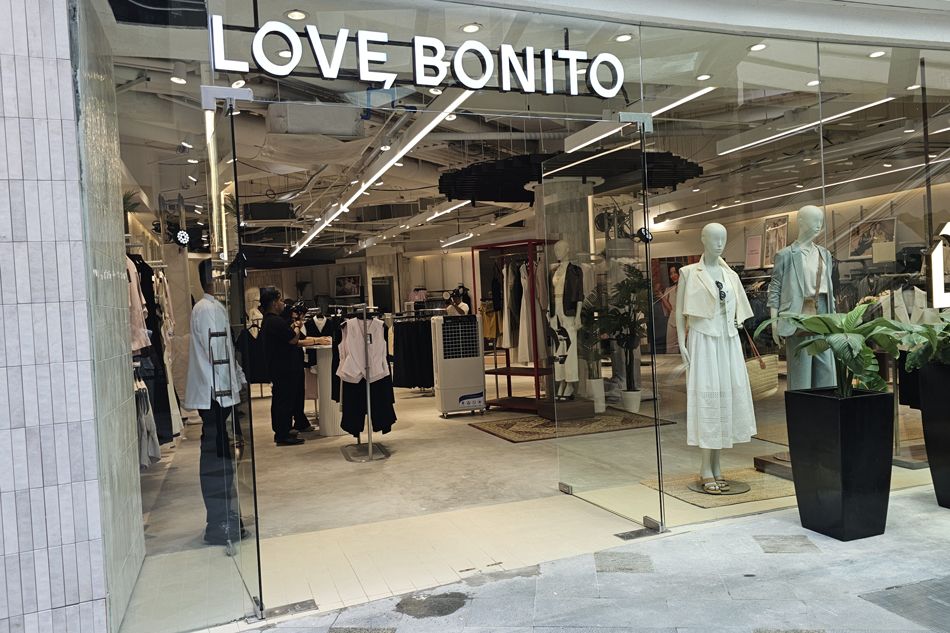
Love, Bonito is designed specifically for the Asian woman’s body. That’s their positioning. Not “affordable fashion” or “trendy clothes.” Clothes designed for how Asian women are actually built, with cuts and structures that fit properly, with design details like dresses with pockets and trousers with elastic for comfort. They had 90% year-on-year growth in the Philippines from online orders alone before they even opened a physical store at Greenbelt 3 in 2024. The demand existed because the gap existed. No one else was saying “we design for you specifically.”
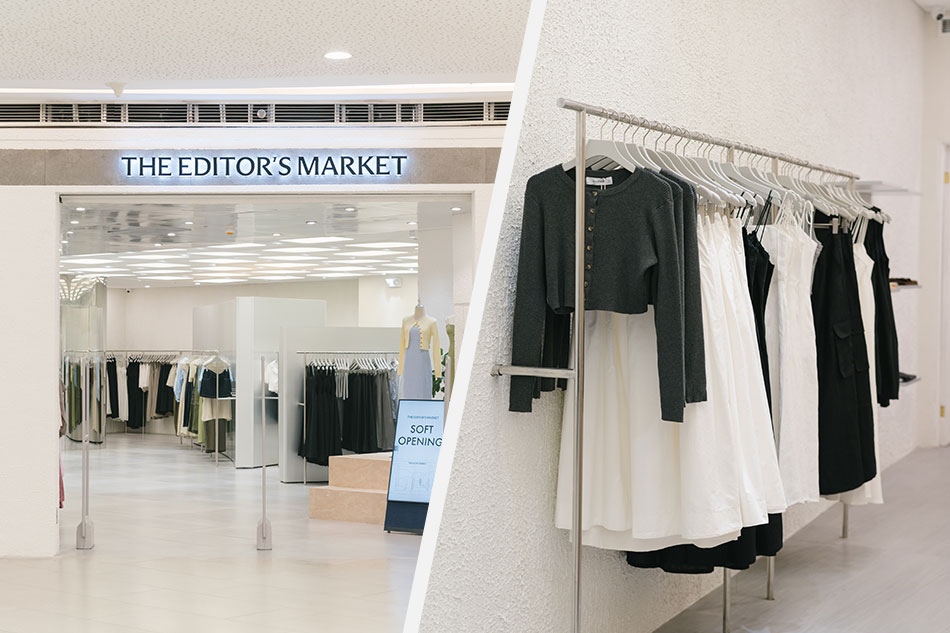
The Editors Market came in through a different angle. Anti-fast fashion. Each collection has only 50 pieces to avoid surplus and waste. Their brand promise is staples that last longer than seasonal trends. Six young Filipina entrepreneurs brought the brand to Manila, starting with a pop-up at SM Mall of Asia in 2022 and eventually opening a flagship at The Podium. The brand resonated because it filled a gap: sustainable, curated, not overwhelming.
Both brands had a clear reason to exist before they had a marketing budget. The purpose came first. The marketing amplified it.
Filipino Talent, Global Product
This is one of my passion points, and I mean it in a very specific way. Philippine talent is global. That’s not for show and it’s not a quotable thing for a keynote. I want actual examples.
Blackbough Swim might be the best example of what a Filipino brand can be on the global stage. Founded in 2017 by Jemina Ty, built entirely through Instagram and social media. Close to a million followers. Worn by Kendall Jenner, Vanessa Hudgens, Nina Dobrev, Bretman Rock. They collaborated with the drama series The Summer I Turned Pretty. Distributed in boutiques across Asia, Europe, and the United States.
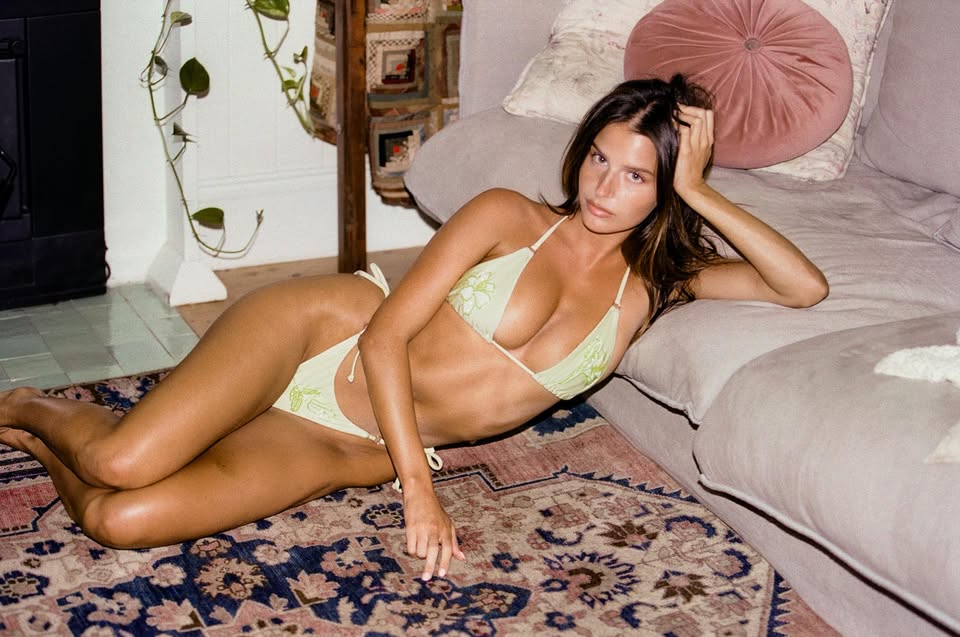
Here’s what matters about Blackbough: they didn’t brand themselves as “Filipino swimwear.” They branded themselves as aspirational swimwear, period. The Filipino talent behind it is the engine. The “proudly Filipino” angle isn’t what sells the bikini. The bikini sells the bikini. You don’t need to lead with “proudly Filipino” if the product itself is world-class. The origin becomes a story people discover, not a pitch they have to buy into.
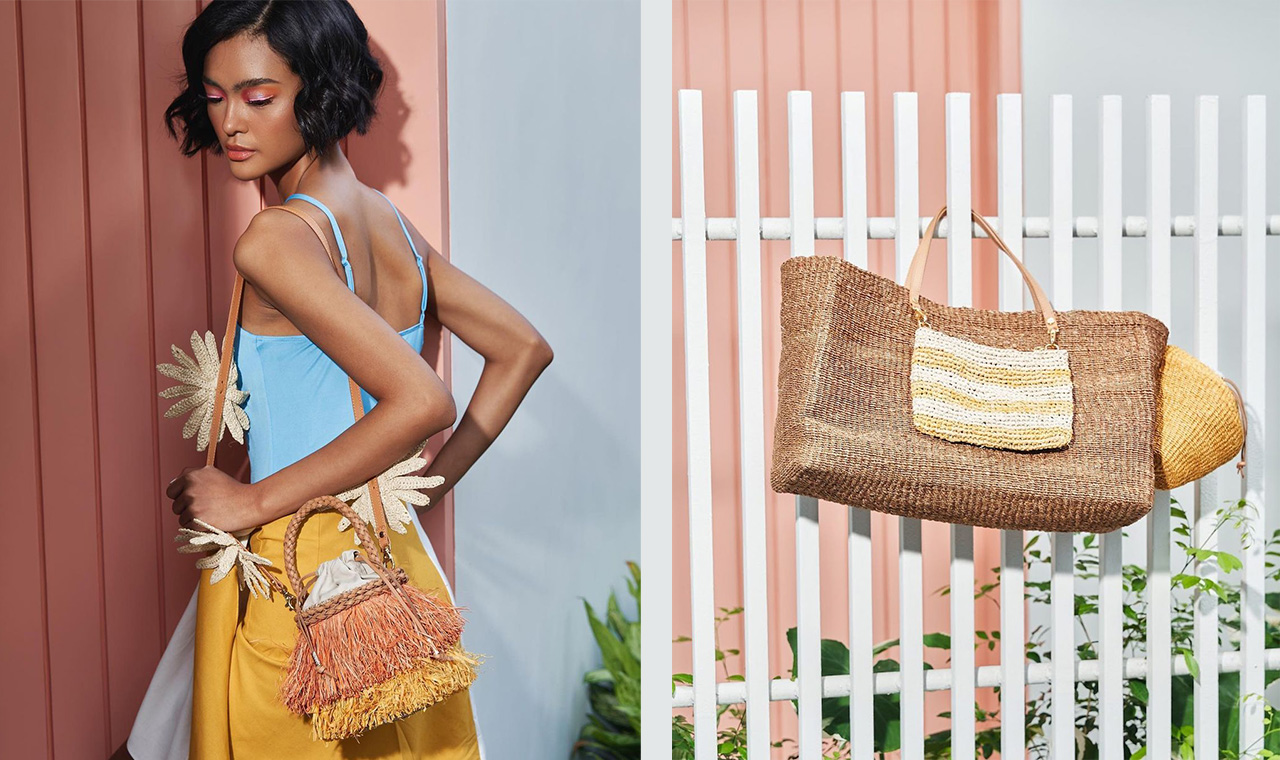
Aranaz took a different but equally valid path. Amina Aranaz-Alunan built a fashion accessories brand using traditional Filipino materials like abaca and rattan, paired with leather and gold chains. The result? Carried by Bergdorf Goodman, Harvey Nichols, Neiman Marcus, Harrods, Selfridges. Three boutiques in Manila, stocked in over a dozen cities worldwide. Patronized by the Queen of Belgium. Aranaz proved that Filipino craftsmanship can sit on the same shelf as European luxury. The competitive advantage is clear: no one else can make what they make, because the materials and the artisans are here.

Rags2Riches, founded by Reese Fernandez-Ruiz in 2007, started by turning unwanted fabric into woven bags with women weavers from Payatas. They’ve since expanded to the US, UK, Japan, and Europe. Won the Eileen Fisher Business Grant. Featured in Vogue, Fast Company, CNN, The Guardian. Fernandez-Ruiz was named one of Forbes’ 30 Under 30 Social Entrepreneurs. They’re still operating, still working with over 200 artisans, still growing. Whether they become a GenZ fashion brand or remain a respected social enterprise is an open question, but their model works because the purpose is real and the product delivers on it.
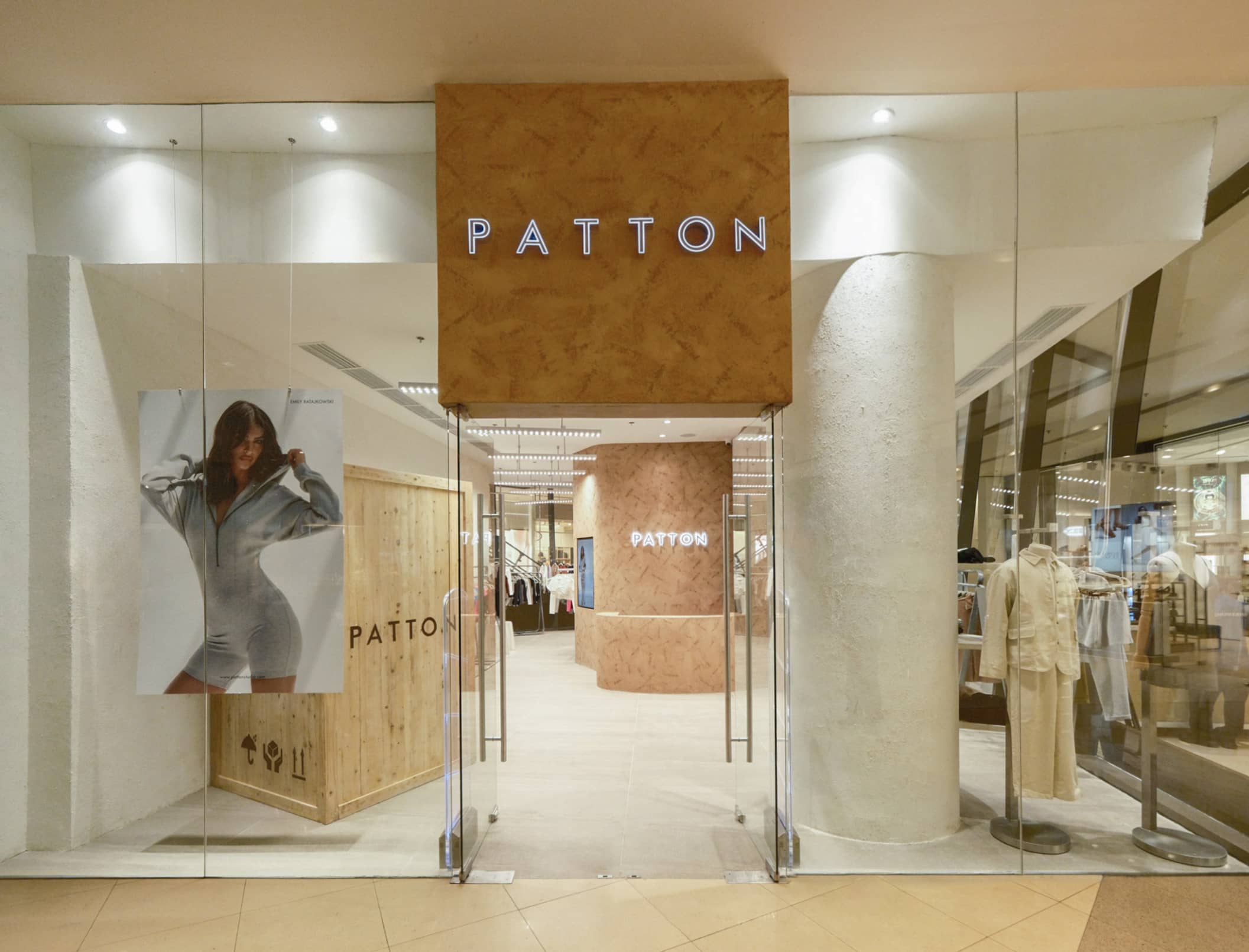
Patton, founded in 2020 by designer Patty Ang, is the one I’m watching. Gender-neutral, clean minimalism, produced entirely in the Philippines. “Positive daily patterns,” she calls it. Emily Ratajkowski and Jennie from Blackpink have worn it. Five stores in Metro Manila high-end malls, plus a new headquarters on Jupiter Street, Makati. The product is global-ready. The celebrity co-signs are there. But the distribution isn’t. Patton should be where Blackbough Swim is, where Aranaz is. They have the product and the positioning. The question is whether they can scale beyond Greenbelt and Power Plant.
Sunnies: The Brand-First Blueprint
I want to talk about Sunnies Studios separately because I think they’re the clearest example of how branding should work.
In 2013, Georgina Wilson, Bea Soriano-Dee, Eric Dee, Jess Wilson, and Martine Cajucom-Ho saw a gap: there were no trendy, fashion-forward sunglasses at accessible prices in the Philippine market. That was the business need. They spent over a year building the brand before they opened a single store. Branding first, product second. The first kiosk opened at Glorietta 2, and within a year they had 25 stores.
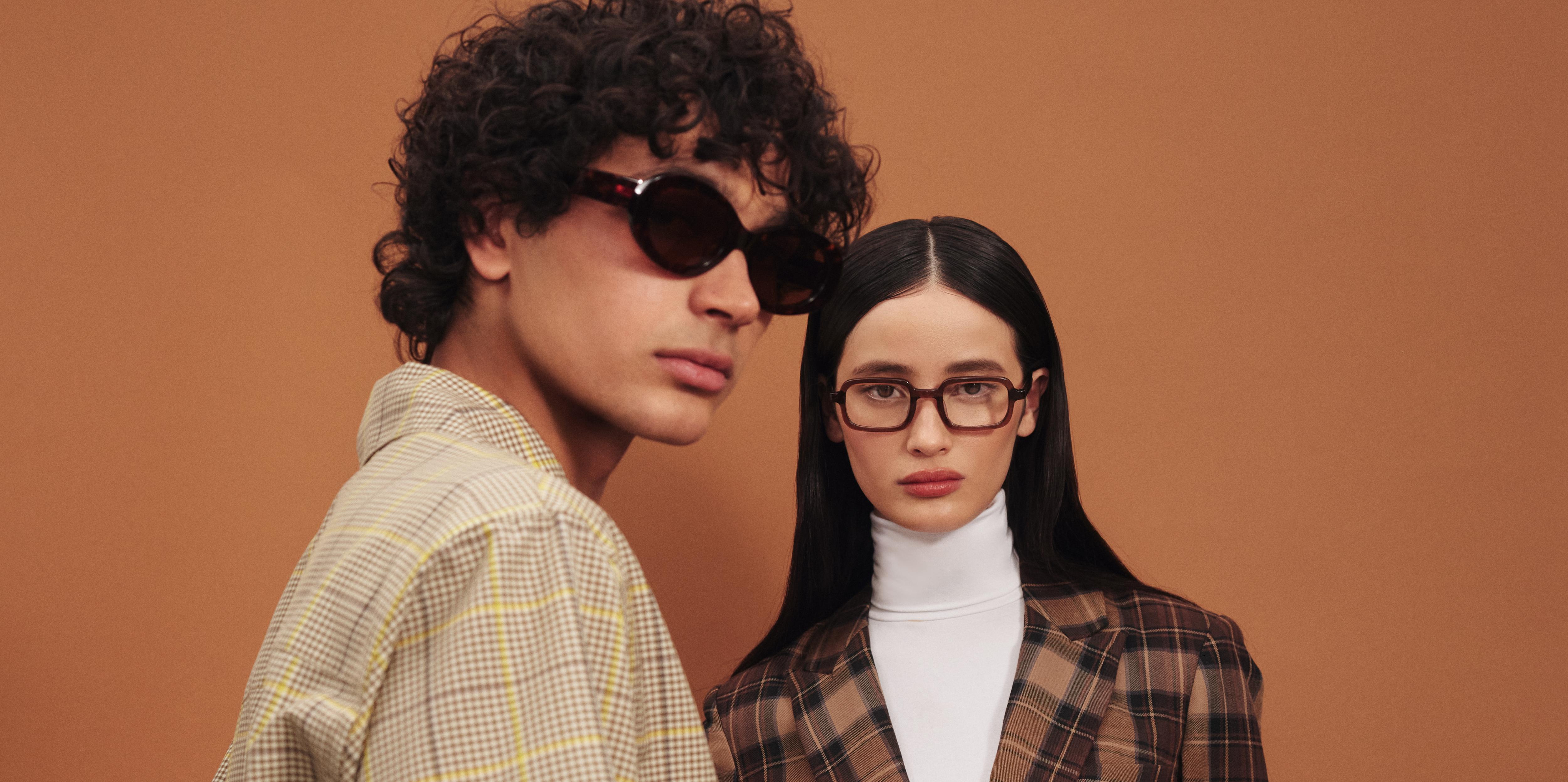
Now they have 127 stores across the Philippines and Vietnam. They’ve expanded to Thailand with five stores in Bangkok. They’ve branched into prescription eyewear, cosmetics (Sunnies Face), and cafes. They’re targeting more of Southeast Asia. And at every stage, the expansion came from a clear understanding of what they are and who they serve.
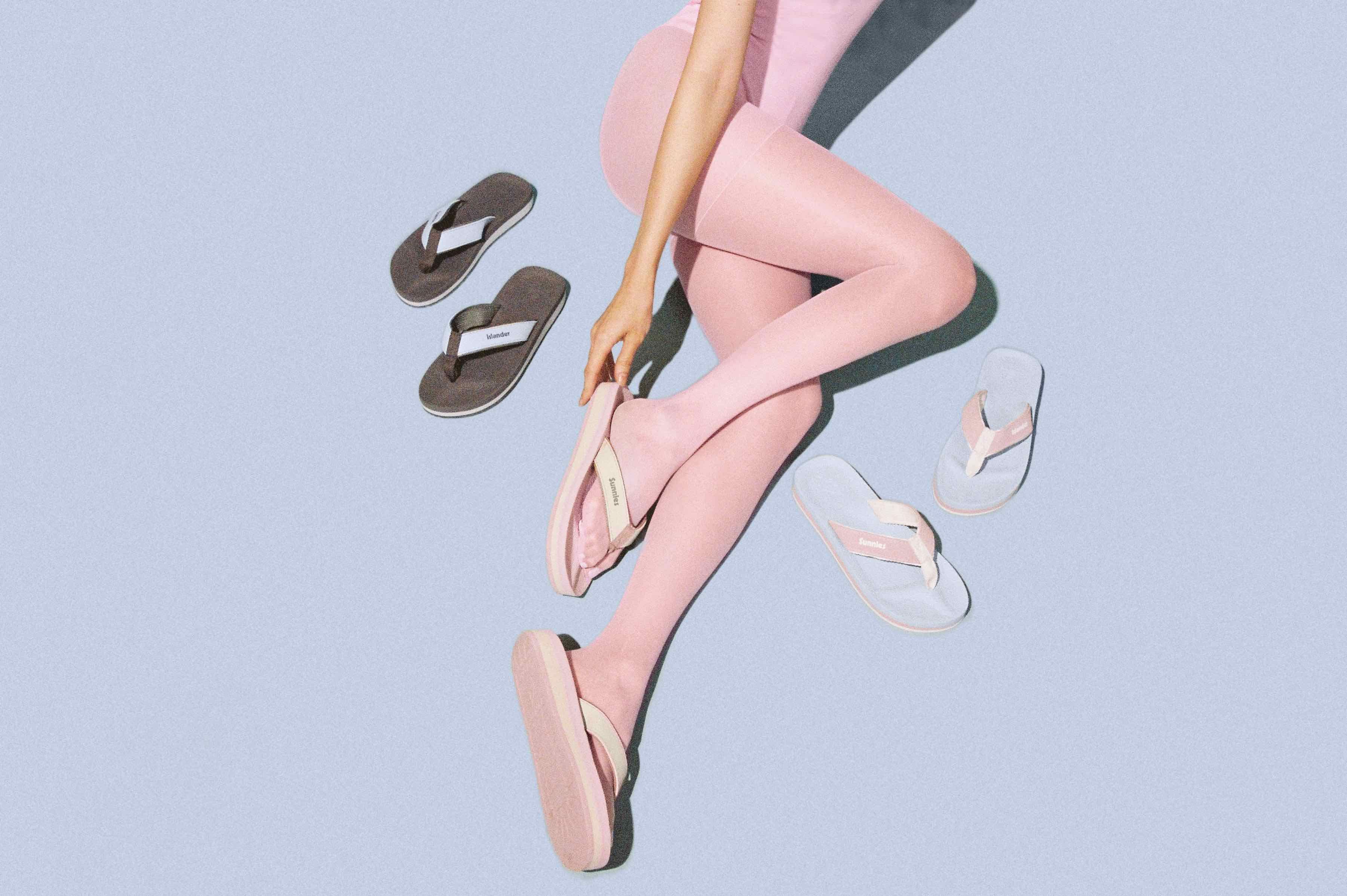
The Sunnies x Islander collaboration is maybe my favorite example in this whole piece. Islander has been making tsinelas since 1985. For decades, it was a utilitarian brand. You bought Islander because they were durable and cheap. Then in 2026, they started collaborating. Sunnies did a collection with them: three pastel colorways called Whale Shark, Sorbetes, and Isla, priced at P995 and sold on TikTok Shop. Designer Carl Jan Cruz did another collab, naming the colorways after Philippine towns. El Union Coffee did one too.
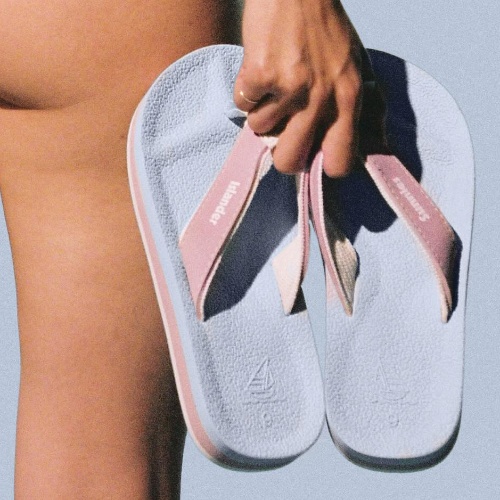
What happened here is that Islander found relevance outside its original target market. They went from hardware store tsinelas to a lifestyle brand through collaboration. That’s a brand finding a new purpose without abandoning what made it real in the first place. They didn’t pretend to be something they weren’t. They let someone else reframe them for a new audience. And it worked.
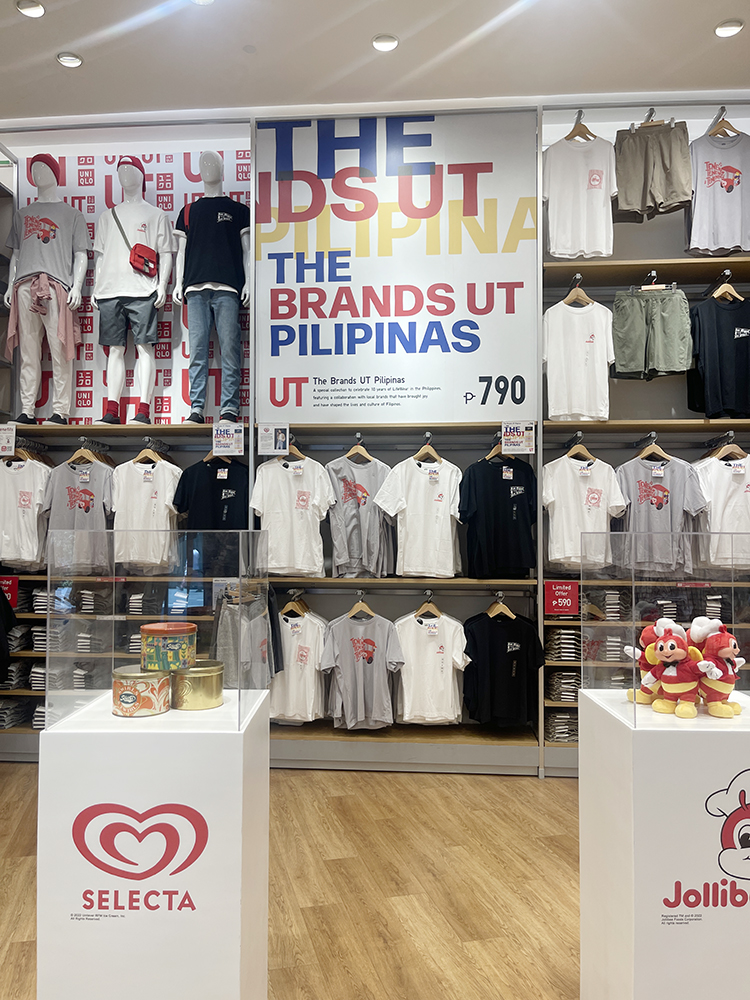
The Irony of Uniqlo
Here’s the thing that bothers me. In 2022, Uniqlo celebrated its 10th anniversary in the Philippines by launching “The Brands UT Pilipinas” collection. T-shirts featuring San Miguel Pale Pilsen, Selecta, Jollibee, and National Book Store. The Selecta design had the actual Selecta trike with “TENENENN,” the sound it makes when it rolls through the neighborhood.

A Japanese brand packaged Filipino nostalgia and sold it back to Filipinos. And Filipinos loved it.
While our local fashion brands are struggling to find their identity, a global brand walked in and said, “Hey, your culture is cool, let us put it on a shirt.” And the market responded. That should sting. Not because Uniqlo did anything wrong. They did it well. But because it shows that the cultural material is right there, waiting to be used, and local brands either don’t see it or don’t know how to use it.
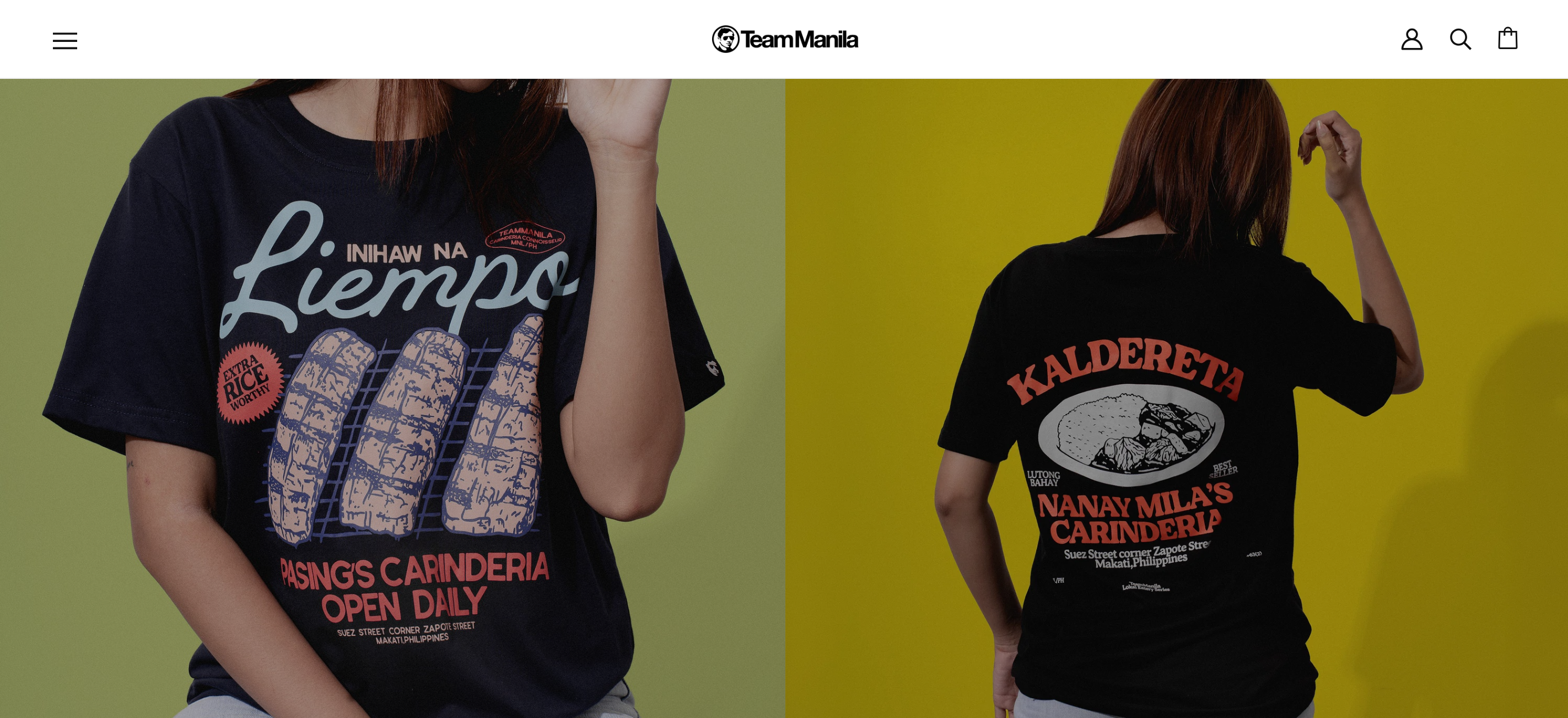
This is where brands like Team Manila could have evolved. They had the Filipino cultural identity angle locked down years ago. Typography, iconography, local symbols. But they stayed in the gimmick lane. They could have moved into heritage, into things uniquely Filipino, into something deeper. To be fair, some of their new releases are interesting. But a brand from Japan did it bigger & louder.
So What Now?
Here’s how I see the landscape, applying the same branding discipline I’d apply to any category:
For JAG: Find the business need first. Don’t start with “how do we market to GenZ.” Start with “what can we offer GenZ that no one else can?” You have denim heritage, local manufacturing, and a portfolio of brands (Lee, Wrangler) that gives you range. The e-commerce push is good but it’s a channel. The brand needs a reason to exist for a 22-year-old, and right now it doesn’t have one.
For Penshoppe: The Y2K aesthetic alignment and the endorser strategy are working, but rented advantages expire. As you expand globally, what’s the brand promise that will hold in markets where nobody knows BINI or cares about P-Pop? Golden ABC has the infrastructure and the ambition. The question is whether Penshoppe can articulate a purpose beyond trend and celebrity.
For Bench: Ben Chan has built something remarkable. The global expansion is real. The diversification is smart. The challenge now is making sure that the brand means something specific as it grows. At 1,500 stores, the risk is becoming everything to everyone and nothing to someone.
For Patton: Scale the distribution. The product is there. The positioning is clear. Gender-neutral, Filipino-made, quiet luxury. But you can’t be a global brand with five stores in Metro Manila. Blackbough built a global following from a website and Instagram. Aranaz got into Bergdorf’s. The path exists.
For every heritage brand (Bayo, Kamiseta, the ones that are fading): The Sunnies x Islander playbook is right there. You don’t have to reinvent yourself alone. Find the right collaborator who can reframe your brand for a new audience. Bayo is trying with its sustainability pivot and local weaving traditions. Whether that’s enough to make a 25-year-old walk into their store, I don’t know. But at least it’s a purpose.
The brands that will make it, whether locally or globally, are the ones that start from a competitive advantage they actually own. You have to own a niche. The brand promise has to be met by the consumer experience. If you’re marketing something that the product doesn’t deliver, you’re burning money. You want marketing spend that compounds, that builds equity, that incurs dividends over time.
Blackbough didn’t need to say “proudly Filipino.” The product spoke for itself globally. Aranaz turned abaca and rattan into something that sits in Neiman Marcus. Sunnies spent a year on the brand before selling a single pair of sunglasses. These are brands that found a gap, owned it, and built the experience to match the promise.
The talent is here. The craftsmanship is here. The culture is here. What’s been missing, for a lot of Philippine fashion brands, is the discipline to turn all of that into a brand that means something specific to someone specific. And that’s not a fashion problem. That’s a brand problem.

Pax Silica: Much Ado About Nothing
Pax Silica has no confirmed investor and no tenant, yet everyone is fighting over it. A lesson in owning the narrative, and why a semblance of a plan is not a plan.
Read more →
Diversity Marketing Is Working
Gap's KATSEYE ad moved denim sales while the louder campaign next door moved a stock price. Three years of Gap campaigns say the same thing about reading the room.
Read more →
Samsung's Petty Genius
They named their new foldables to box in Apple before Apple even ships. I'm a Samsung guy, and I'm here for it.
Read more →
Alex Eala Doesn't Owe Us Anything
But she showed up anyway.
Read more →