Why Too Much Choice Feels Like Work
Decision fatigue, brand strategy, and why reducing choice is the most customer-centric thing a brand can do
A few years ago, I needed to buy a new laptop.
I’m not an Apple person. I have an IT background from childhood (my dad was in IT). I’ve used Macs and Windows machines at different points in my life, and I don’t buy most of the arguments around Apple’s supposed ease of use. Most people are simply used to doing things a certain way and don’t want to change. That’s human.
At the time, I was coming from a MacBook Pro and needed a replacement. I gave myself about a month to research. I knew my way around hardware. I approached the decision seriously.
I started listing requirements. I wanted a 360-degree hinge, though I couldn’t quite explain why. I needed a touch screen. Enough memory. An SSD. 15” screen. Windows Hello. Solid security features. I compared brands, models, and spec sheets. I watched reviews. I read forums. I kept refining.
The more options I saw, the more criteria I added. The process felt productive, even responsible. But it was exhausting. I wasn’t converging toward a decision. I was just getting better at delaying it.
Out of irritation more than anything else, I looked at the Mac options again.
There were essentially three choices. Small. Medium. Large.
That was it.

You weren’t choosing hinges, ports, or configurations. Apple had already decided what mattered and bundled the rest. You were really only answering a few questions: what’s your budget, how big a screen do you want, are you doing heavy creative work or not.
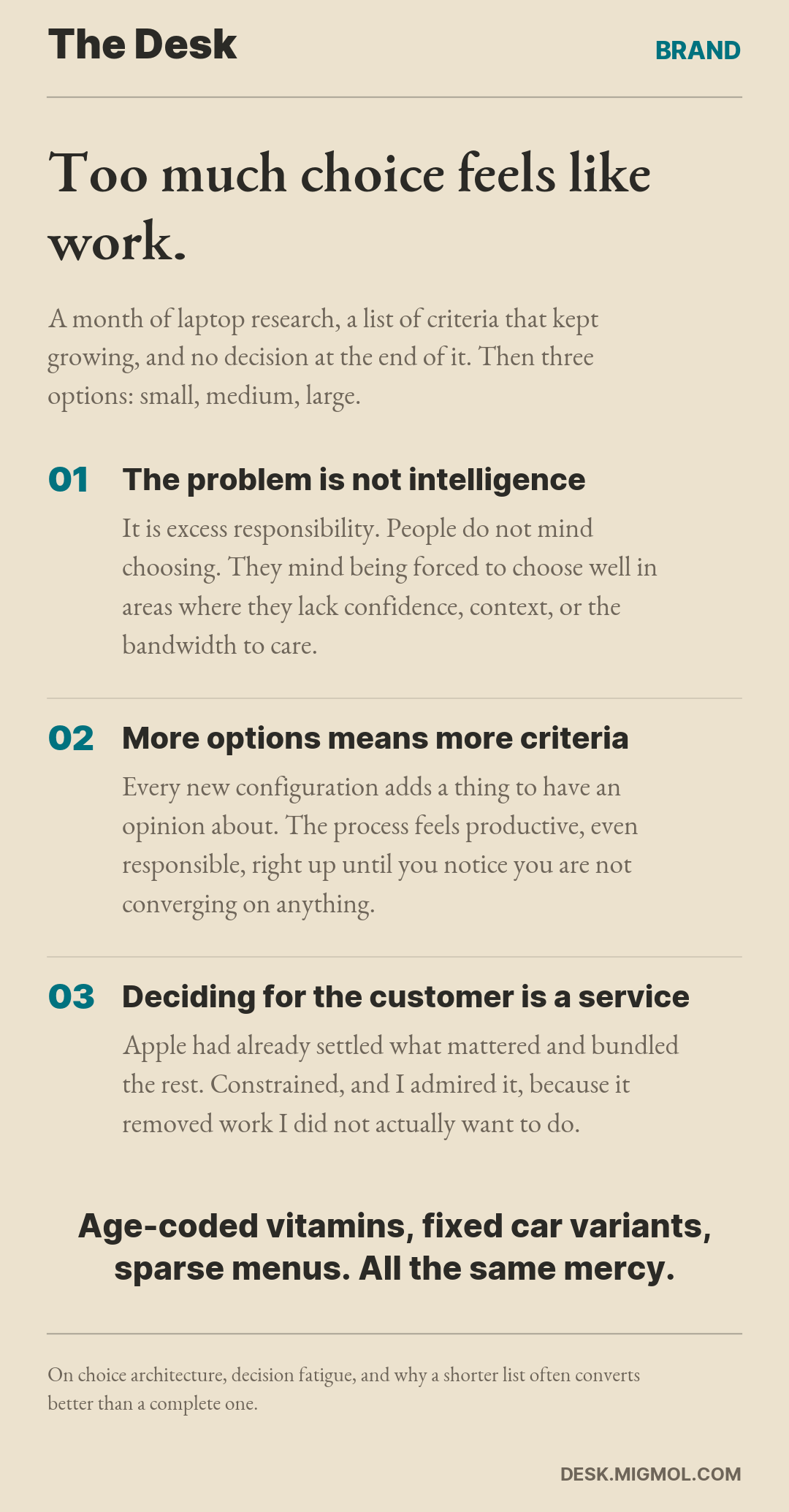
I remember feeling two things at the same time. I was annoyed at how constrained it felt. And I admired it.
Not because it was objectively better, but because it removed work I didn’t actually want to do.
What I didn’t realize then was that I wasn’t struggling with technology. I was struggling with choice.
The illusion of choice happens when people are asked to decide on things they don’t truly care about, in situations where the cost of choosing wrong feels high. On paper, more options look empowering. In real life, they often create anxiety, fatigue, and delay. The brands and systems that feel easiest to choose from are the ones that absorb the burden of decision-making on behalf of the customer.
Once you see this, you start noticing it everywhere.
You see it in health supplements. Magnesium. Ashwagandha. Zinc. Collagen. The science changes, the trends rotate, but the experience is the same. Too many options. Too much thinking.
The brands that win here simplify the decision. Stresstabs made stress visual and gave it a single solution. Multivitamins did the same. “Complete from A to Zinc.” And the version that often outsells the original is the age-coded one. Centrum Silver. Here’s what you take when you’re over forty. No research required.
I remember being in Don Quijote in Japan and seeing vitamins labeled by decade of life. I couldn’t read kanji, but I didn’t need to. The decision had already been made for you.
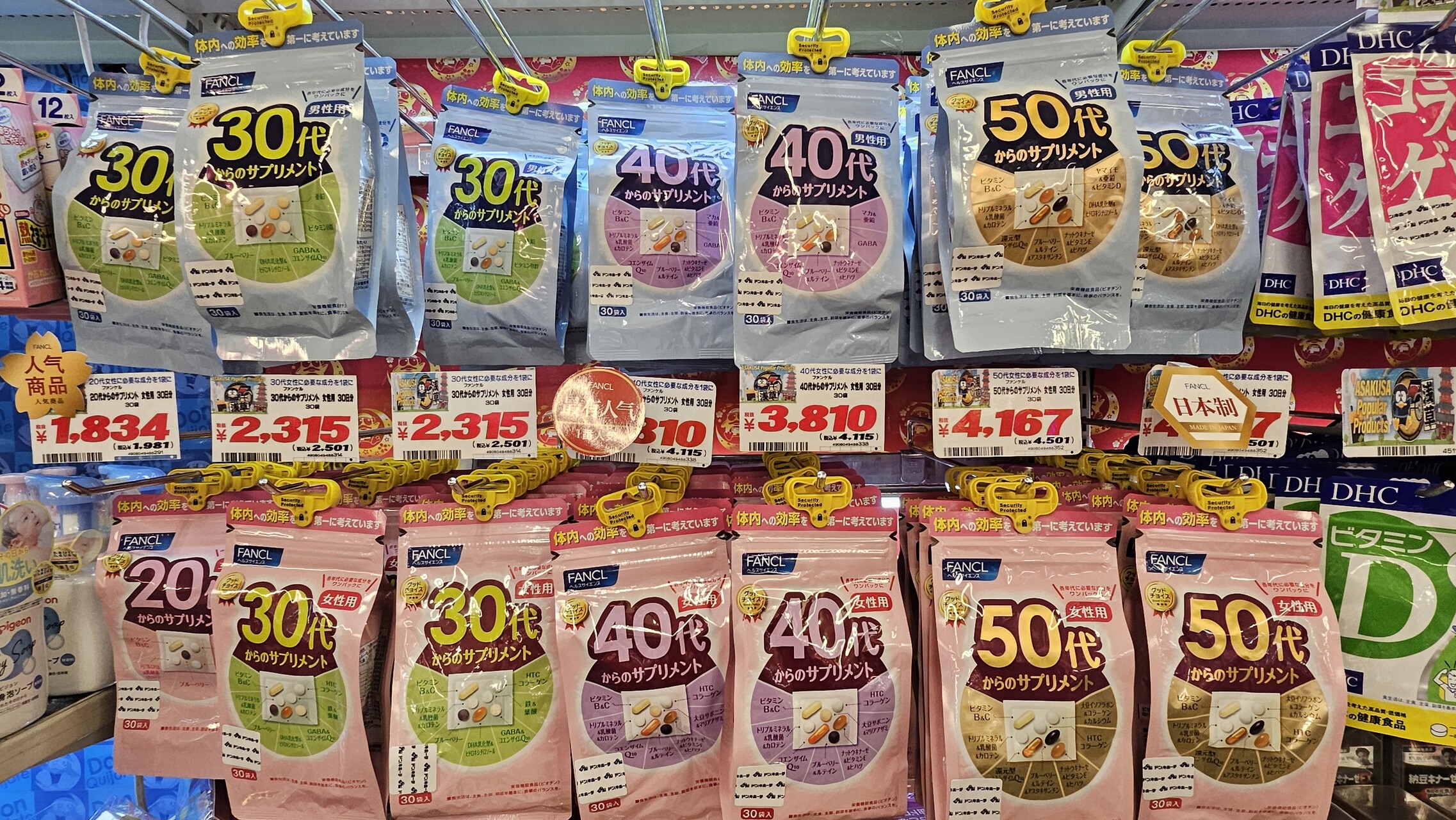
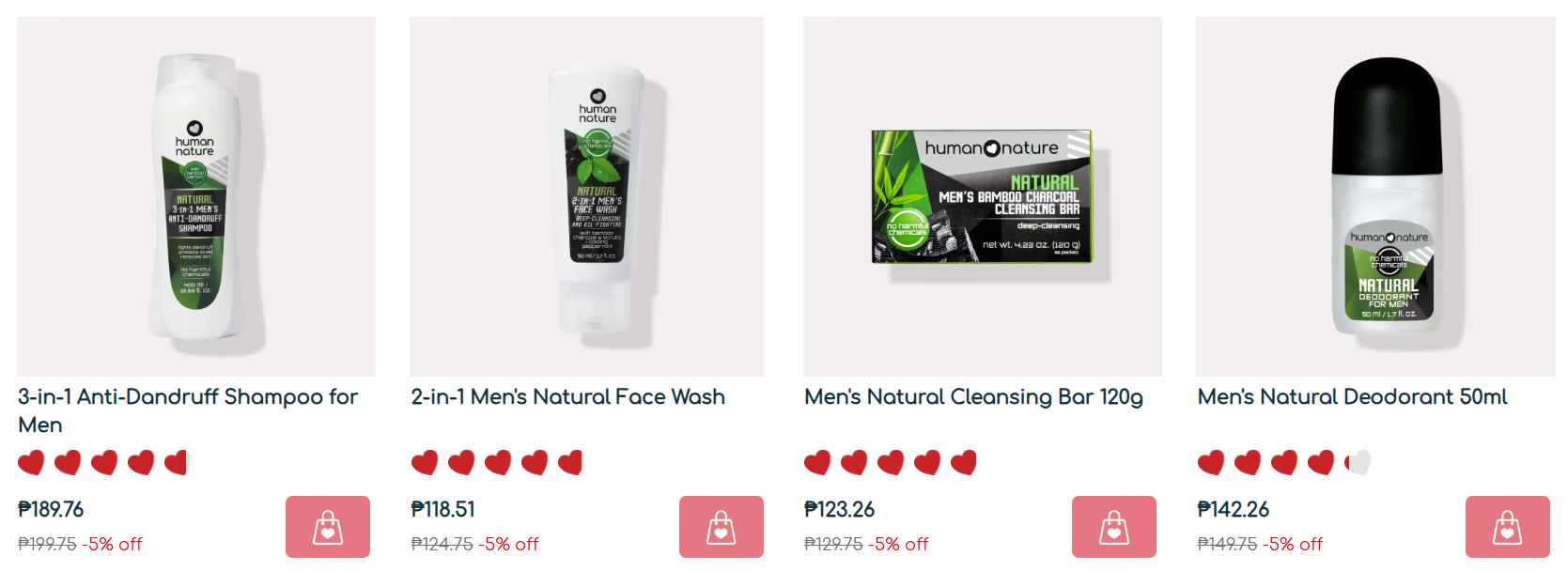
You see the same pattern in men’s personal care. Too many options feel like work. A clear label feels like help.
I first noticed this in restaurants. An early boss of mine used to photograph menus with too many items. His rule was simple. The longer the menu, the less likely any dish is great. No focus. No mastery.
That lesson stuck.
You see the same dynamic in wine lists. The bottle that sells best is rarely the cheapest. It’s usually the one right next to it. People don’t want to buy the cheapest option, but they also don’t care enough, or know enough, to evaluate the rest. That second option removes the need to explain yourself.
I remember eating at Inari Sukiyaki when they first opened. The menu was focused. Serious. On a later visit, it had grown. Gyoza. Tempura. Familiar crowd-pleasers. In trying to please everyone, the restaurant diluted its identity. It stopped being the obvious choice for sukiyaki and became just another Japanese restaurant that happened to serve it.
This is where the difference between marketing and branding becomes clear. Between short-term sales logic and long-term identity. Between financial prudence and the power of being an unbeatable choice for one thing.
Some industries are beginning to understand this. Certain car variants now come in hybrid only. No debate. Tesla reduces the entire decision to model choice. Complexity is hidden. The burden of deciding is absorbed by the brand.
Others still haven’t.
Mobile plans. Home fiber plans. Seven tiers that all make sense on paper. But no one actually compares 300 Mbps to 500 Mbps in their head. They don’t know what they need, and they don’t want to feel stupid for choosing wrong. So they default to the middle-ish option that feels safe. In reality, most people choose between three: the basic, the slightly better than basic, and the one where money doesn’t matter. Everything else exists to justify those anchors.



Once you start seeing the illusion of choice, it’s hard to unsee.
You see it in insurance products layered with riders and exclusions. In bank accounts and credit cards that require customers to become semi-experts just to feel safe. In government forms that ask people to certify things they don’t fully understand.
The problem isn’t lack of intelligence. It’s excess responsibility.
People don’t mind choosing. They mind being forced to choose well in areas where they lack confidence, context, or emotional bandwidth.
So we gravitate toward age-coded vitamins, fixed car variants, sparse menus, clearly labeled “for men” products, and plans named after how they fit into our lives rather than how they are engineered. These systems don’t remove choice. They remove unnecessary labor.
The illusion of choice feels empowering in theory. In practice, it often feels like work.
And sometimes, the most generous thing a brand can do is stop asking you to care about things that don’t matter.

Pax Silica: Much Ado About Nothing
Pax Silica has no confirmed investor and no tenant, yet everyone is fighting over it. A lesson in owning the narrative, and why a semblance of a plan is not a plan.
Read more →
Diversity Marketing Is Working
Gap's KATSEYE ad moved denim sales while the louder campaign next door moved a stock price. Three years of Gap campaigns say the same thing about reading the room.
Read more →
Samsung's Petty Genius
They named their new foldables to box in Apple before Apple even ships. I'm a Samsung guy, and I'm here for it.
Read more →
Alex Eala Doesn't Owe Us Anything
But she showed up anyway.
Read more →