Filipiñana (2026) No Spoiler Review: A Beautiful Film That Doesn't Need a Complicated Plot
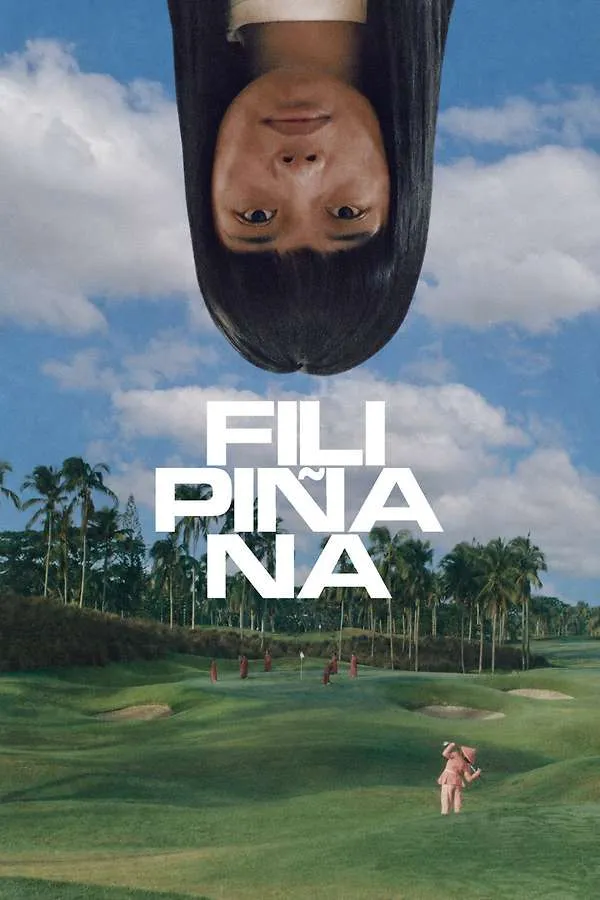
Filipiñana (2026) is beautifully shot, weird at first, and slow on purpose, and it fully justifies its simple premise.
It’s the first feature from Rafael Manuel, a Filipino writer-director born in Manila in 1990. Before film, he studied philosophy and visual communication at Ateneo, then worked in advertising as a copywriter at Saatchi & Saatchi and a creative director at TBWA, winning Cannes Lions along the way. He took a master’s in filmmaking at the London Film School, where he wrote Filipiñana as a feature in 2018. When he couldn’t raise the money, he made it as a short first. That short, Filipiñana (2020), won the Silver Bear Jury Prize at the Berlinale. The feature won the World Cinema Dramatic Special Jury Award for Creative Vision at Sundance this year, and has Jia Zhangke as an executive producer. It follows Isabel (Jorrybell Agoto), a 17-year-old tee-girl from Ilocos, over one hot day at an exclusive country club outside Manila run by Dr. Palanca (Teroy Guzman).
It reminds me of a mix of Wes Anderson in the visuals and Yorgos Lanthimos in the dialogue and absurdism. It’s quite cool how hard it is to date the movie. If there wasn’t a scene with mobile phones, you would struggle to figure out when the film takes place.
Really nice location scouting and set production. I read that they shot the film in eight places around the Philippines to capture brutalist visuals. I didn’t see much brutalism, but the mood and feel were coherent and fitting: a worn-out, dated country club. Quite fitting of the Philippine condition, too: a third-world country where the rich and powerful live in a first-world charade.
I remember a scene where a caddie asks Clara (Carmen Castellanos), the balikbayan, who carries the golf bags in the US if only professionals get caddies. The caddie, who had established a rapport with Clara, was contemplating why she was playing caddie to Clara in the Philippines when Clara wouldn’t have one in the US, where she came from. It reminded me of that tita joke about how everything in the Philippines is automated — because we have maids. That joke always rubbed me the wrong way. It makes light of how poor we are as a country, so poor that even the middle class can afford maids. It also makes the middle class feel like landlords with slaves.
Good performances from all the actors. The unique acting style and dialogue pace help. Slow and deliberate acting can be a crutch, but it’s also hard to pull off, and everyone pulls it off well. Perhaps the odd dialogue pacing highlights the silencing of the underprivileged. It fits the ending too.
The film is slow and deliberate. It starts out weird, but you get used to it eventually, and it ends up actually being nice.
What I realized with this film is that you can make a beautiful piece of film without a smart or complicated plot. Some critics may hold that against it, and I get them. I’m a big critic of movies with lazy scriptwriting or no coherent message, but Filipiñana is able to justify its simple premise. Even if the whole film is set in a golf course and country club, there are enough references to what exists outside: where people come from, and who was displaced. It helps that the conceit of the film is all about the lack of representation or voice.
The film is moderately funny, which fits, since it’s supposed to be a dark comedy. One of my favorite scenes involves a blind band that gets lost on the golf course and eventually performs a very catchy, earworm-worthy campaign jingle: “Re-elect… Dr. Palanca. Re-elect… Dr. Palanca.”
Filipiñana is the Philippines’ submission for Best International Feature Film at the upcoming Oscars. Hopefully, people understand the social commentary that is whispered, not said out loud. It’s a pretty solid film, and we recommend it.
★★★★☆ for me, ★★★★★ for her.
Track your watches too? I’m on Letterboxd.
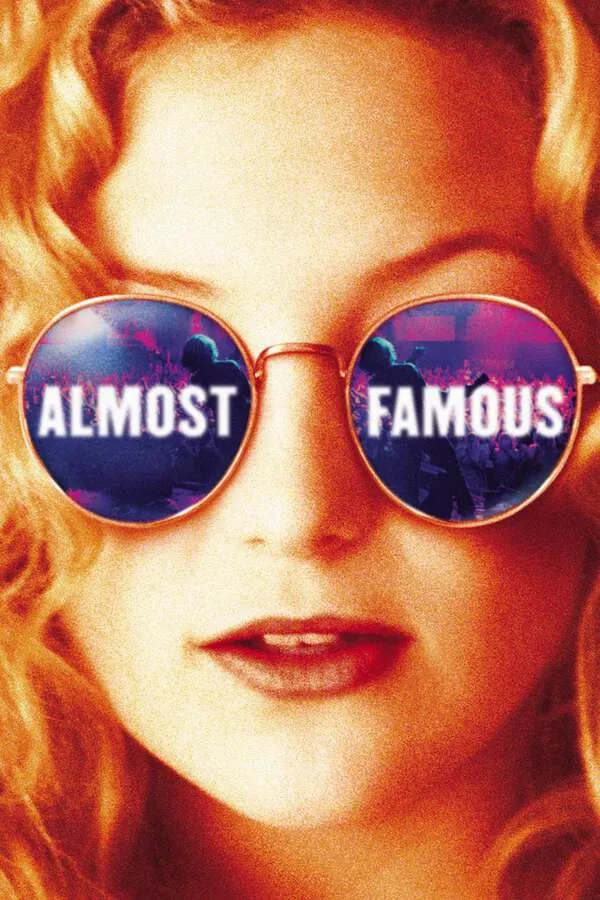
Almost Famous No Spoiler Review: On a Rewatch in My 40s, This Could Be Cameron Crowe's Best Film
Rewatched in my 40s, Almost Famous is a love letter to rock and roll and a mirror held up to it at the same time, and it could be Cameron Crowe's best film.
Read more →
Primetime (2026) No Spoiler Review: A Solid Robert Pattinson Performance Stuck in a So-So Story
Robert Pattinson gives us the weirdness we love as his own version of Chris Hansen, but a simple plot dragged out keeps Primetime at okay.
Read more →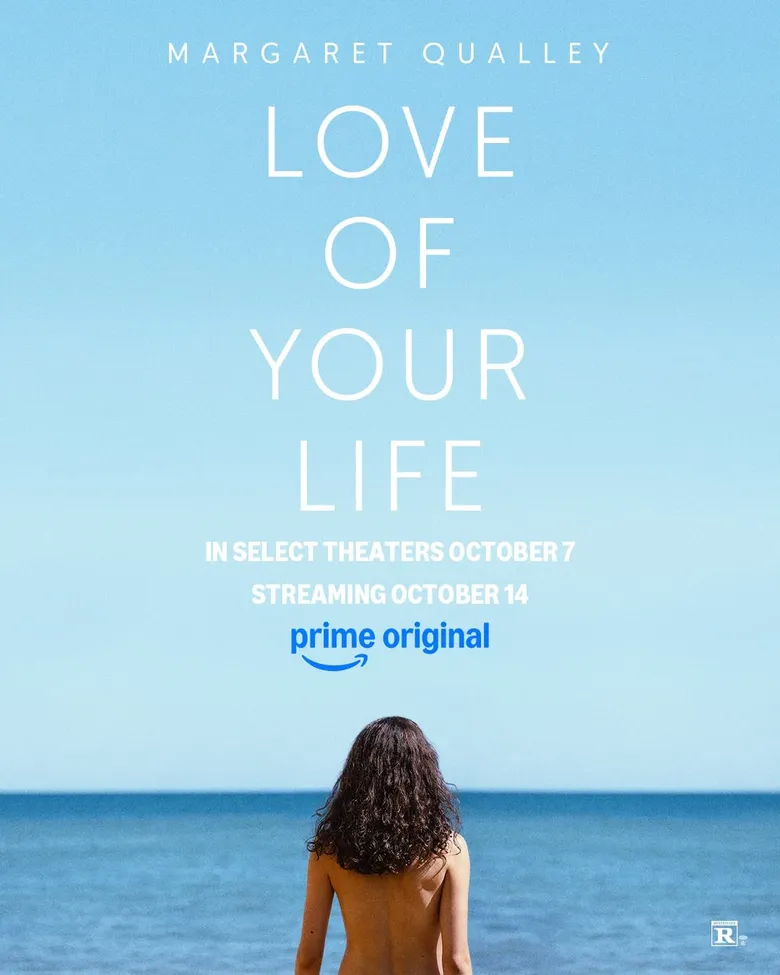
Love of Your Life (2026) No Spoiler Review: A Nice Little Drama About Grief and Moving On (Not a Romantic Story)
The trailer sells a romance, but Love of Your Life is a quiet drama about grief and moving on, with Margaret Qualley at her usual best and a soundtrack worth noticing.
Read more →
What does the world need from the Philippines? Right now, nothing it can't get somewhere else.
China refines 91% of the world's rare earths. Taiwan makes over 90% of its most advanced chips. We import 98% of our garlic and ship our nickel out as raw ore. What could the Philippines own that the world can't do without?
Read more →