East of Eden (2026) No Spoiler Review: A Modernized but Grounded Take on a Classic 1900s Story
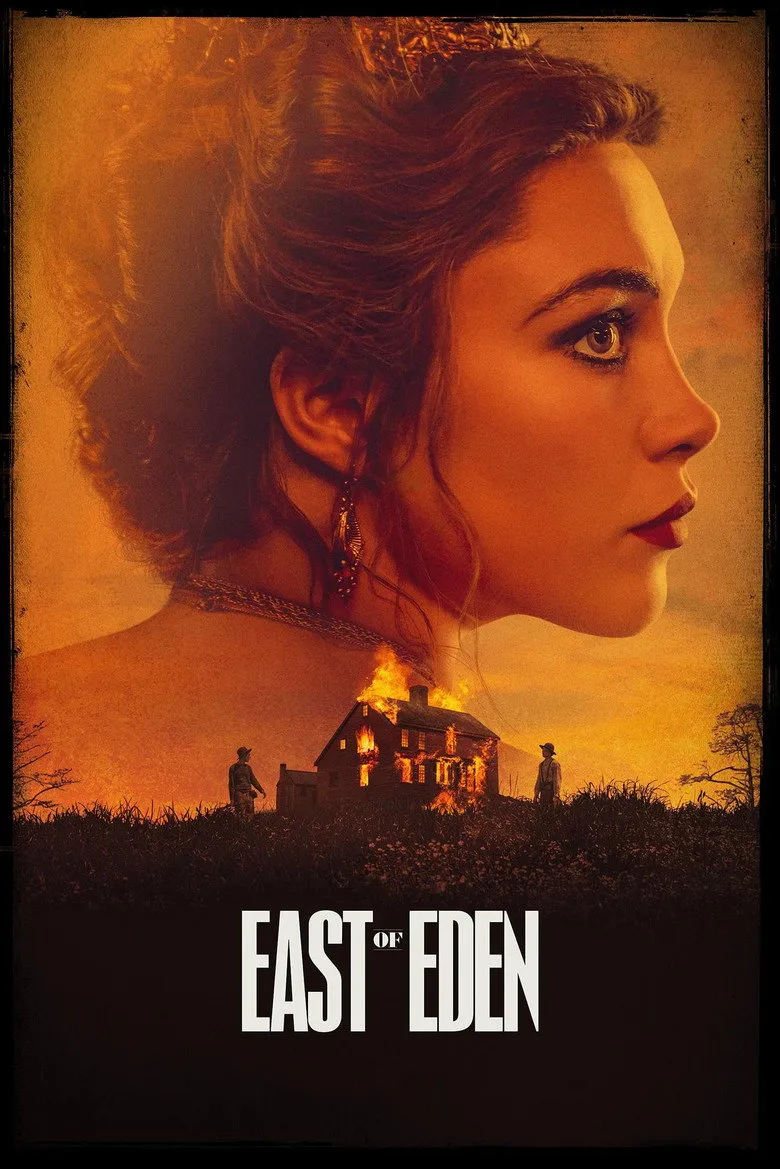
Zoe Kazan’s East of Eden is a really good story about breaking generational trauma, and its best move is explaining why Cathy is the way she is, even if it stays on her storyline a little too long.
East of Eden is Netflix’s new seven-episode adaptation of John Steinbeck’s 1950s novel, written by Zoe Kazan, with Florence Pugh as Cathy Ames, Christopher Abbott as Adam Trask, and Mike Faist as his brother Charles. Full disclosure, neither my wife nor I had read the book or seen any earlier adaptation, so we went into this blind. I’ve done some research since, but I still haven’t read the book.
It was after lunch when we decided to start watching it. I wasn’t expecting much. I thought it would be another show my wife would watch, which I can loosely follow in the background. The first episode focused on the first set of brothers. It seemed nice. But by the start of the second episode, I was already drawn in. We ended up binging the whole thing, which is quite unusual for a turn-of-the-century story.
Putting Florence Pugh front and center as the “main antagonist” was a good idea. It makes a lot of sense. Unlike the book, the series explains why Cathy is what she is, without defending her, showing how life has been unfair to her as well. That’s what we liked most about this Kazan interpretation. We also liked the perspective on Adam, who is so bewitched, so blinded by what he wants, his vision for their life, that he never considers what Cathy wants. He’s coming from a good place, but in reality, he was being unfair to her. I suppose all of this would have been okay a few decades ago, but it just doesn’t fly in 2026.
I think the biggest gripe for this series is that the character development is a bit uneven, so it plays more like a Florence Pugh series than anything else. By the fourth or fifth episode you’re asking, why are we still on the Florence Pugh story? Her storyline is the more interesting one, but it takes the series a really long time to develop any of the other characters, and most of us would have wanted more of them. The last two episodes drag a little because of it. With seven episodes to work with, I guess it works itself out by the end, and it wraps everything up pretty okay.
I wish though that they just did 10 episodes and allowed the character buildup to breathe more.
The acting is solid all around. I’m also happy to report that Christopher Abbott is the new Professor X in Marvel’s X-Men (2028), so you basically have Professor X and Black Widow (Florence Pugh) as husband and wife here. The Marvel connection is strong. And they’re really getting great actors to play all the X-Men characters.
A special shoutout to Hoon Lee, who plays “Lee” in the story. Hands down one of our favorite characters in the whole show. I was glad to know that the character development of Lee was also in the original story. Such a well-developed secondary character. You feel for him and his life story. Lots of lessons about found family, ambition, and adapting to what life gives you.
Underneath it all is a really good story about generational trauma. The idea of choosing your own path was really nice and is still relevant. It was nice to see everything wrap up on that note, because it’s the central ethos of the story: whatever you were born as, or think you were born as, you can always choose. Breaking generational trauma, nature versus nurture, it’s all in there.
We had just also seen Wuthering Heights a few months back, so I found myself asking why so many stories from the 19th century and the turn of the century span two, sometimes three, generations in one story. After watching everything, I think it’s because back then there were a lot of unresolved issues in people’s lives that really got passed down, and kids were meant to resolve the previous generation’s unfinished business. Perhaps it’s because this was the time around World War I, when death was more prevalent. It was normal for people’s lives to be short, or to suddenly lose a core family member. Sadly, that seemed normal back then.
I’m really happy for Zoe Kazan. Her grandfather, Elia Kazan, directed the 1955 film version of the book. She had always been waiting on her agents to let her know if an adaptation was being made, and she ended up writing it and being an executive producer. I’ve always liked her as an actress, and I’m quite happy with her version and her vision for this series. I think her grandfather would be proud. And once again, perhaps in line with the story’s message, it’s never too late to become a new version of yourself.
All in all, an enjoyable watch.
★★★★☆ for me, ★★★★★ for her.
Want to see what else we’ve been watching? I’m on Letterboxd.
Filipiñana (2026) No Spoiler Review: A Beautiful Film That Doesn't Need a Complicated Plot
Rafael Manuel's first feature is slow, weird at first, and beautifully shot, and it justifies its simple premise.
Read more →
Almost Famous No Spoiler Review: On a Rewatch in My 40s, This Could Be Cameron Crowe's Best Film
Rewatched in my 40s, Almost Famous is a love letter to rock and roll and a mirror held up to it at the same time, and it could be Cameron Crowe's best film.
Read more →
Primetime (2026) No Spoiler Review: A Solid Robert Pattinson Performance Stuck in a So-So Story
Robert Pattinson gives us the weirdness we love as his own version of Chris Hansen, but a simple plot dragged out keeps Primetime at okay.
Read more →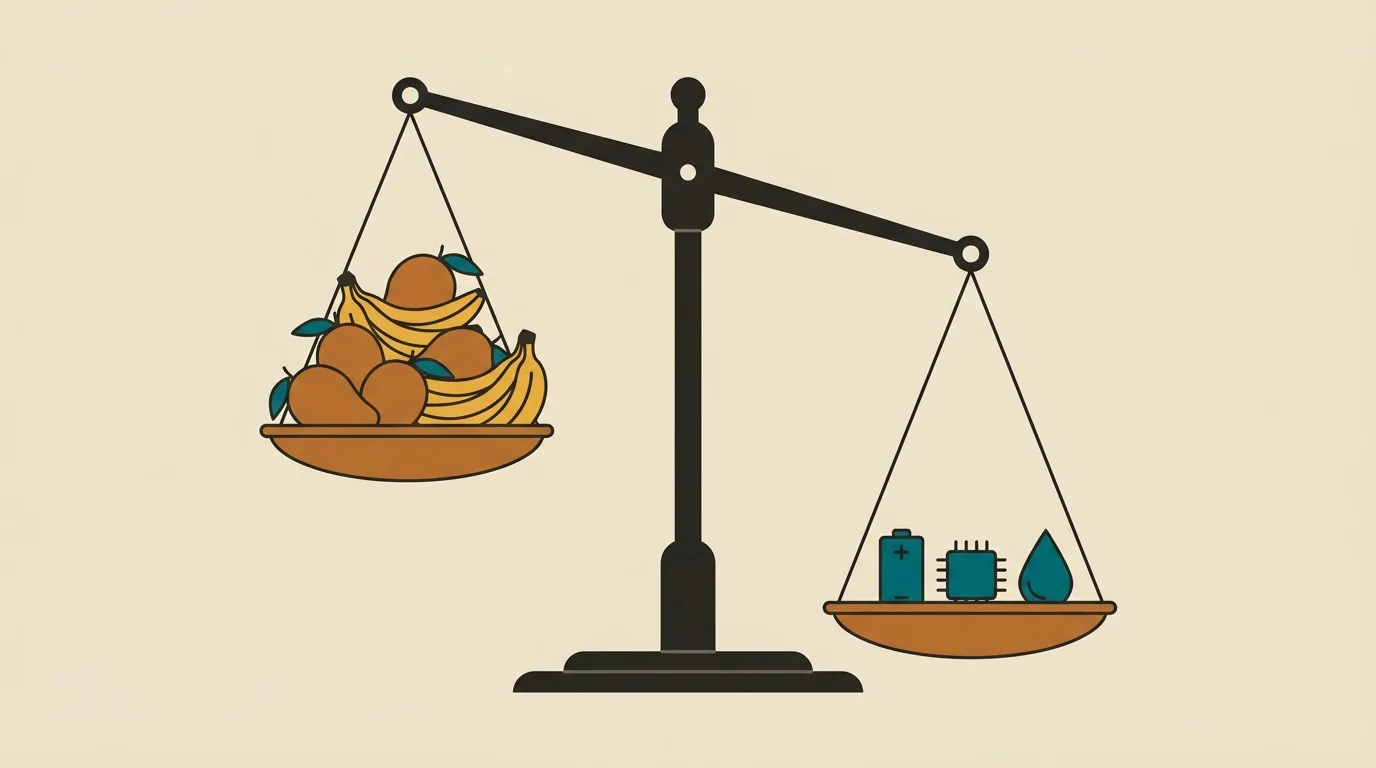
What does the world need from the Philippines? Right now, nothing it can't get somewhere else.
China refines 91% of the world's rare earths. Taiwan makes over 90% of its most advanced chips. We import 98% of our garlic and ship our nickel out as raw ore. What could the Philippines own that the world can't do without?
Read more →