Norwegian Air Bet British Airways on the World Cup. The Real Story Is Who Said Yes
Most trend-jacking is a miss. The ones that land come down to whether someone in the room was willing to approve the risk, and whether the math actually works.
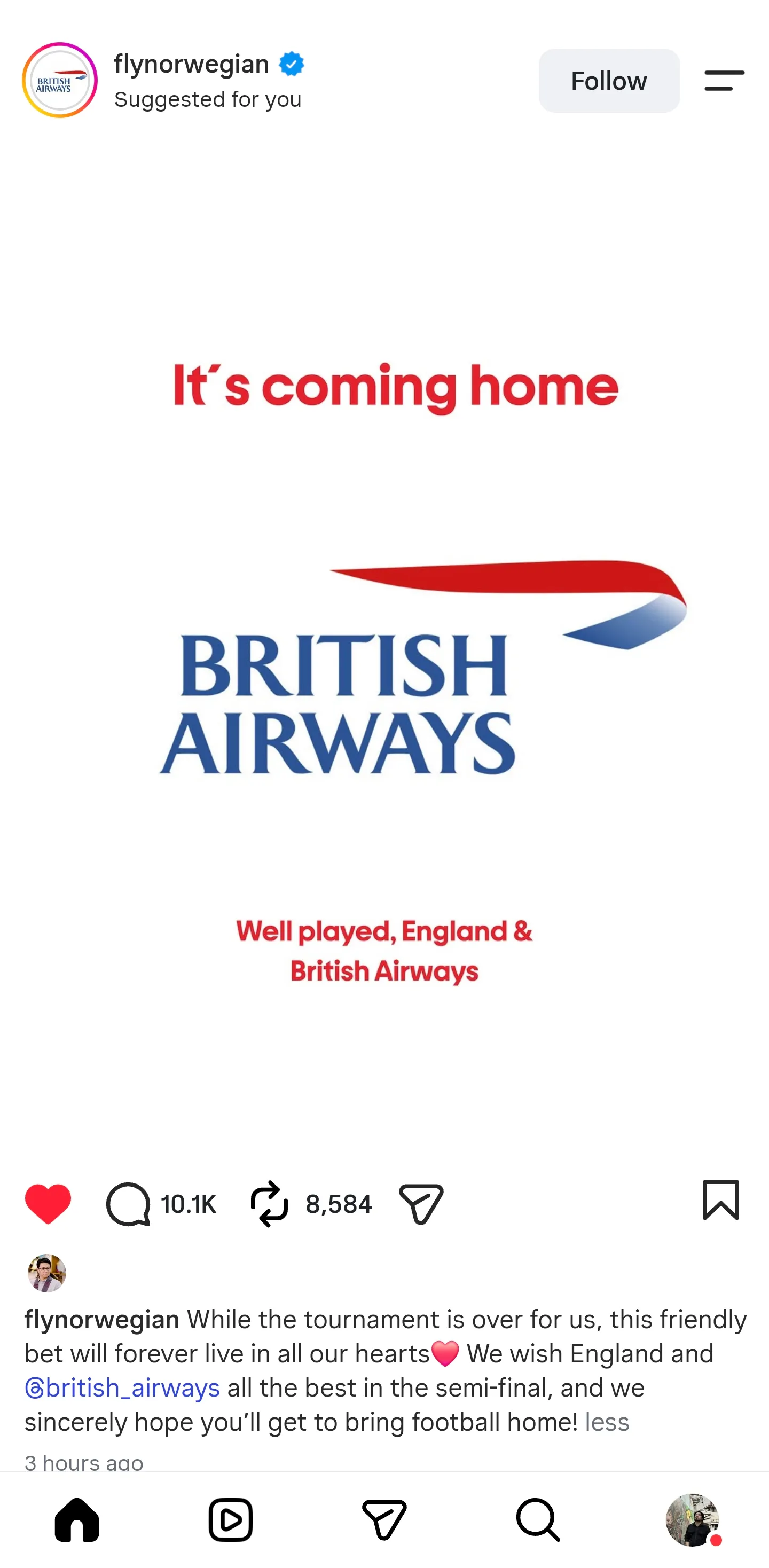
A few days before Norway played England in the World Cup quarterfinal, Norwegian Air did something simple on Instagram. They tagged British Airways and made a bet. If Norway lost, Norwegian would change its profile picture to the British Airways logo for a day. If England lost, British Airways would do the same to Norwegian.
England won, 2-1 in extra time. Norwegian followed through. Their Instagram profile picture became the British Airways logo, and they posted a clean white graphic that just said “It’s coming home. Well played, England & British Airways.”
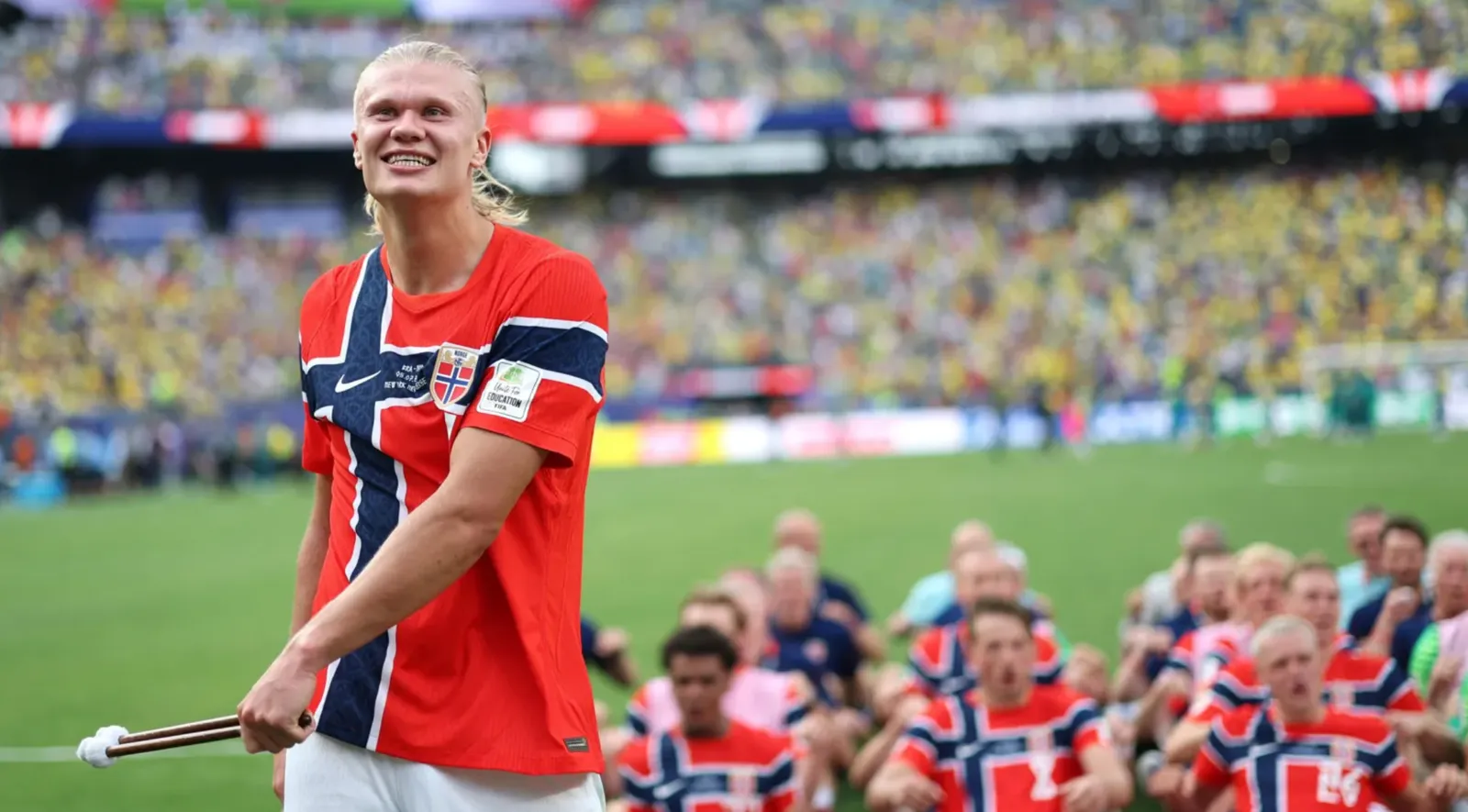
Part of why this traveled as far as it did is that Norway’s whole tournament run was already loud, louder than a Norway run at a World Cup normally would be, because of Erling Haaland. This was a guy people who don’t even follow football know from his Snapchat and Instagram before they know him from football. His brace against Brazil sent Norway to their first ever World Cup quarterfinal, seven goals in his first four matches at a major tournament, and by the time he flew home he was going viral again for coming back to Oslo with a taxidermied raccoon holding a whiskey bottle. Norway’s “Viking Row” celebration, the whole squad dropping into a longboat formation and rowing to a drumbeat after wins with Haaland on the drum, was its own viral machine that week, big enough that even Google bolted an animated version onto its search page. So attention on Norway, and on anything tied to Norway that week, was already high with people who weren’t even watching the matches.
Gutsy, and it paid off. Someone at Norwegian had to say yes to handing over their own Instagram, their own visual identity, to a competitor, on a bet, in public, with no guarantee England would even lose. That’s not a small approval. That’s a social media team pitching something that could easily read as “why is our airline’s logo now British Airways” to a boss who has to decide, on the spot, whether the payoff is worth the risk. Most bosses say no to that, because saying yes means owning it personally if it doesn’t land.
And it’s worth being precise about what “it worked” means here, because the numbers go past their own posts. British Airways’ opening dare got over 21,000 likes on its own. Norwegian’s follow through hit close to 75,000, against a normal range of 400 to 1,500 for their regular posts. Other carriers, KLM, Wizz Air, Finnair, Riyadh Air, jumped into the comments. None of that is Norwegian or British Airways paying to reach anyone. That’s earned media, the free kind that official FIFA sponsors like Qatar Airways or American Airlines pay real money for, showing up for two airlines that hold no formal tournament rights at all.
There’s also a plain math reason this particular pairing worked. British Airways is one of the most recognized airline brands in the world, a flag carrier worth somewhere around 3.2 billion dollars by brand value, familiar to something like 93% of people in the UK. Norwegian is the smaller name, a budget carrier that British Airways’ own parent company actually tried to buy a few years back. That gap in size and recognition is exactly what made the bet worth making. British Airways had a lot of equity to protect by agreeing to play along. Norwegian had comparatively little of its own equity at risk and a lot to gain just from being seen next to a bigger, more established name.
That’s also why the bet was a win either way for Norwegian, before a single ball was kicked. If Norway won, Norwegian got to publicly show absolute confidence in their own team and country days ahead of the result, which is its own kind of brand building, tying the airline to national pride and belief. If Norway lost, which is what happened, the cost was a logo swap for a day, nothing close to real damage, while the exposure and the halo of being associated with a brand as recognized as British Airways ran the other way. It didn’t even require British Airways to say yes for Norwegian to win. Norwegian’s own jab at BA’s silence, “anyone heard from @british_airways while we slept??”, kept the story alive and kept Norwegian at the center of it regardless.
I want to be careful here, because I’m not saying every brand should be chasing this. Trend-jacking, jumping on whatever’s happening in culture that week and trying to bolt your brand onto it, is hit or miss. Actually, it’s mostly miss. I’d guess 80% of the time it doesn’t land, and you can tell. You can tell when a brand actually gets it, and you can tell when it’s a brand that saw someone else’s stunt work and is now doing their own version a week too late, missing the reason the original worked in the first place. Most brands chasing trends are just wannabes.
This Norwegian and British Airways moment teaches three things, at least to me.
One, you’re lucky if you have a boss who can approve something like this. Genuinely lucky. Most organizations aren’t built for someone to greenlight a bet that puts the brand at risk for a day, on a hunch that the internet will find it charming instead of confusing.
Two, you can’t always do this. You have to pick your battles. Not every match, not every trending topic, not every cultural moment is worth the risk of asking. Some things aren’t worth spending the trust it takes to get a yes.
Three, but if you think something is genuinely worth fighting for, fight for it. And that brings it back to point one. You need a management team that understands what’s actually going on, sees why this particular moment is different from the noise, and is willing to do it.
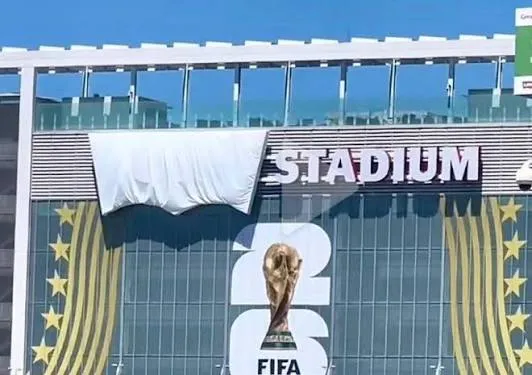
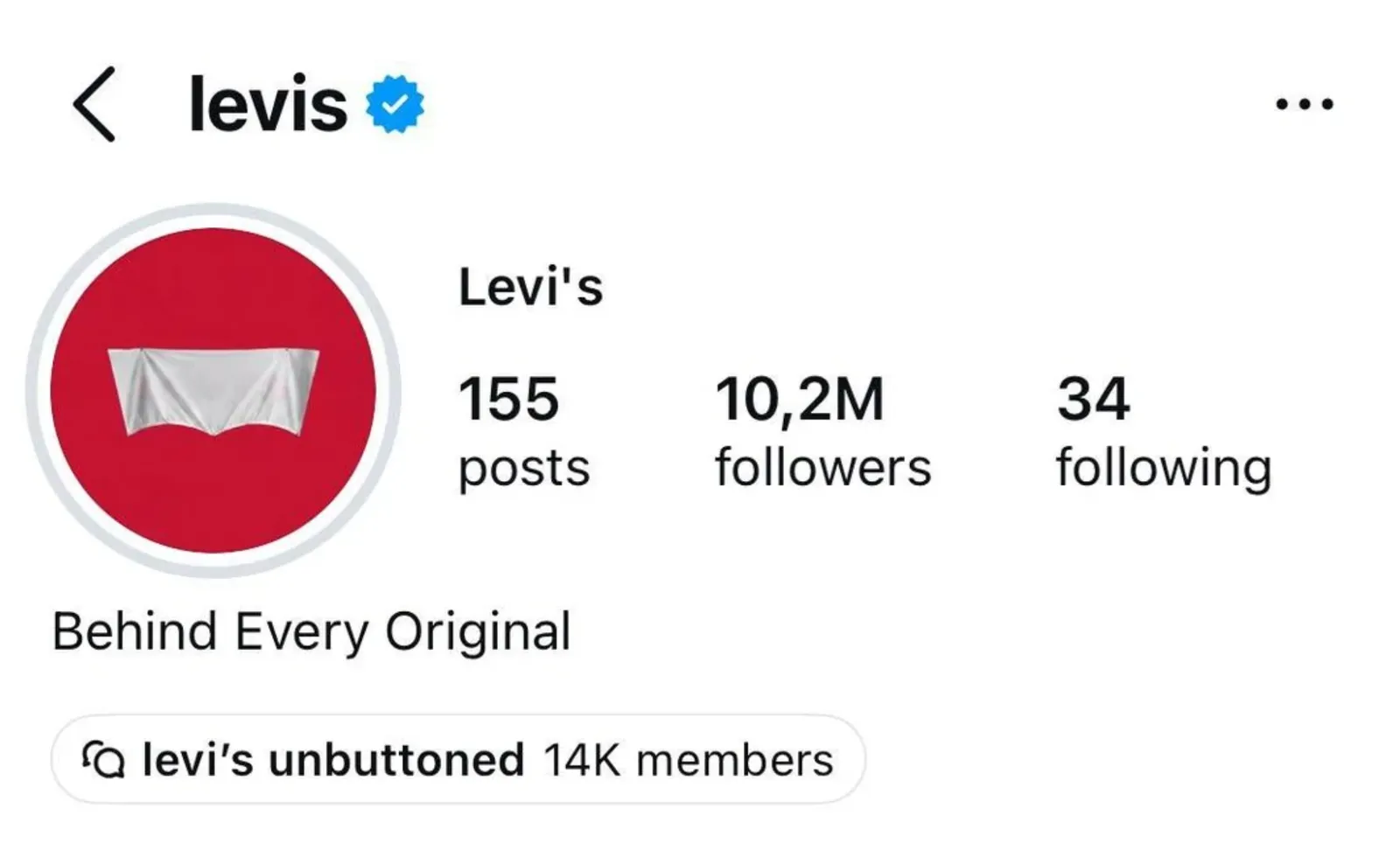
Levi’s had their own version of this during the same World Cup. Levi’s Stadium couldn’t show the Levi’s name or logo during matches because of FIFA’s ambush marketing rules, so the stadium’s own branding got covered in a white tarp. That’s a restriction, not an opportunity, on paper. But somebody at Levi’s decided to make the tarp the story instead of quietly accepting it. They leaned into the joke, “nobody’s gonna know,” and turned a covering meant to erase their brand into their most viewed campaign ever, over a billion impressions, and a shirt people actually bought.
Both stories add up the same way. Norwegian ran the math before making the bet: a bigger, more recognized brand to stand next to, almost none of their own equity on the line either way the match went, a story that was already loud because of Haaland, and reach no paid FIFA sponsorship could buy for the price of one Instagram post. Levi’s did the same math on a tarp FIFA forced onto their own stadium. Somebody at both companies looked at the numbers, saw the bet was actually safe, and said yes before anyone knew how the match or the rule would play out.

Pax Silica: Much Ado About Nothing
Pax Silica has no confirmed investor and no tenant, yet everyone is fighting over it. A lesson in owning the narrative, and why a semblance of a plan is not a plan.
Read more →
Diversity Marketing Is Working
Gap's KATSEYE ad moved denim sales while the louder campaign next door moved a stock price. Three years of Gap campaigns say the same thing about reading the room.
Read more →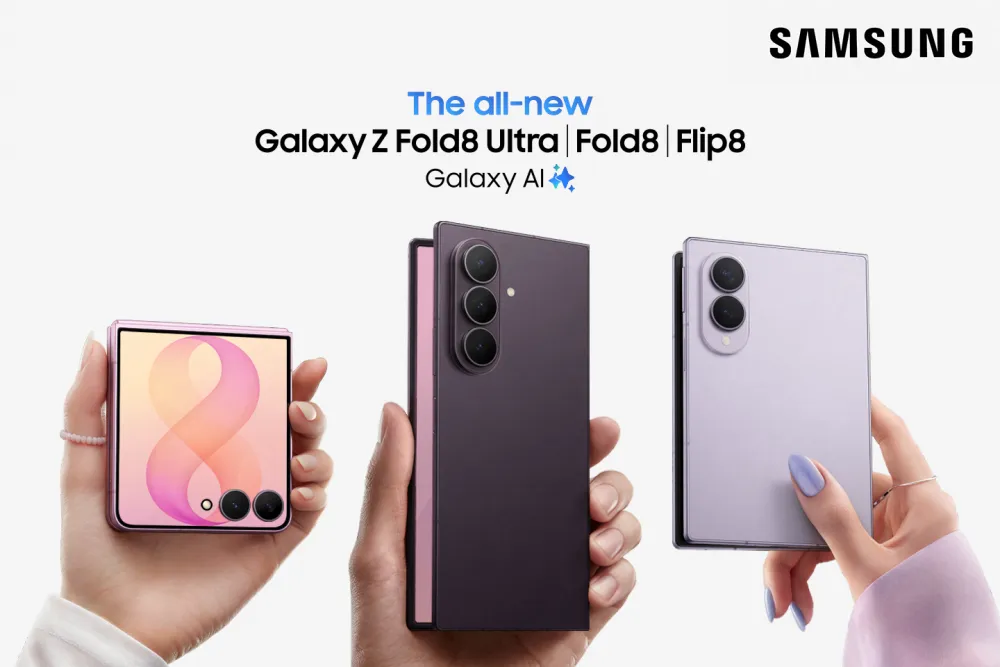
Samsung's Petty Genius
They named their new foldables to box in Apple before Apple even ships. I'm a Samsung guy, and I'm here for it.
Read more →
What does the world need from the Philippines? Right now, nothing it can't get somewhere else.
China refines 91% of the world's rare earths. Taiwan makes over 90% of its most advanced chips. We import 98% of our garlic and ship our nickel out as raw ore. What could the Philippines own that the world can't do without?
Read more →