Quezon (2025) No Spoiler Review: Jerrold Tarog Made a World-Class Film That Leans on Exposition Like a Crutch
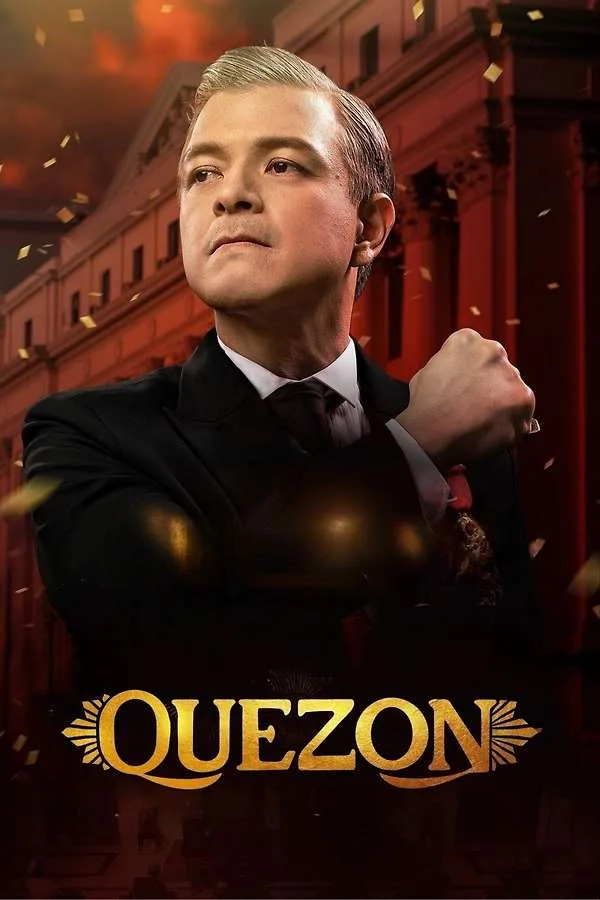
Quezon (2025) is gorgeous, brilliantly acted, and made me proud to be Filipino, but it leans so hard on exposition that it forgets to just tell the story.
It took me a while to get to watch this one. Quezon is Jerrold Tarog’s third film in the Bayaniverse, after Heneral Luna (2015) and Goyo: Ang Batang Heneral (2018), with Jericho Rosales as Manuel L. Quezon.
Great cinematography. Great color grading. Excellent set design. Excellent location scouting. Really good costumes and props, too. I kept looking for a mistake, like a cell phone or something else that didn’t belong in the 1930s that they’d left in a shot by accident. Believe me, I tried. I couldn’t find a single one, and that really impressed me. Great acting all around. It makes me proud to be a Filipino in the arts.
This might be the best performance I’ve ever seen from Jericho Rosales. His accent wasn’t distracting. It was actually quite impressive, or at least the commitment to it was. Special shout out to Mon Confiado as Emilio Aguinaldo. I think he was the best actor in the film.
I do have some gripes with the script, especially when characters wax poetic with historical exposition, like when Joven narrates Quezon’s CV. I’m torn about the two journalists, Joven and a fellow reporter, who end up acting as exposition monsters. Joven Hernando is apparently what ties the Bayaniverse together, since he shows up in all three of Tarog’s films. Even so, I felt he was overused here, because he wasn’t used this way in the other two. It doesn’t help that Arron Villaflor and Cris Villanueva both play him in this one, and the same character played by different actors doesn’t translate well.
Joven’s daughter and Quezon’s goddaughter, Nadia Hernando (Therese Malvar), makes a newsreel, one of those silent news films common in the 1920s, and it runs through the whole movie. It was pure exposition.
Even with the newsreels and the journalists acting as a fly on the wall, there were still gaps in the storytelling. They showed most when the film took us back and forth between the present and the past. The past is mostly told through the newsreel, but not always. The very first scene isn’t part of Nadia’s newsreel, so the film sets the tone and then abandons it.
The last quarter of the movie was really good and bumped my rating up by half a star. I really enjoy this universe of films. I just want them to drop the exposition, stop being educational, and tell the story. We’re great at it.
Which brings me to the bigger point. Maybe we have to stop making movies to appeal to the masses, just tell the story, and sell it to a global market. The local industry is dead. Don’t get me wrong. I want to make movies, but I won’t expect to sell them locally. Come on, I’m watching Quezon on Amazon Prime! Filipinos don’t watch local movies in the cinema. They watch mini serial shows on TikTok. They download “pirated” copies of movies. They actually pay for movies, but they do so through streaming, including VMX and Viva One!
Then there’s the family. I get why Quezon’s grandson, Ricky Quezon Avanceña, wanted to pick a fight, but the way I see it, no one owes them permission. These are historical figures. Picking a public fight screams entitlement.
I actually watched Manolo Quezon’s review (he’s Quezon’s grandson by adoption, so not a blood descendant, but related nonetheless), and he was fair. We agreed on a lot. His take was that this is really a horror movie more than a historical one, which is correct. He was right to point out that the story drives the movie, which is close to what I’m saying, except I’d tell them to focus on just that. He also pointed out that Tarog makes films for the middle class and doesn’t pander to the masses. Once I realized he had a point, it made my criticism sharper. Why is all this exposition here if he isn’t making this for the average Filipino? Focus on the emotion.
Toward the last quarter of the film, though, it stirred up my distrust of politics and politicians. It made me feel things. I wanted to fight for the underdog, and my overly active brain was overwhelmed by how much my heart was moved.
Back in the 1930s, may pork barrel na. Almost 100 years later, may pork barrel pa rin. Ano ba ‘yan, mga Pilipino.
Great job once again, Jerrold Tarog. Perhaps still the hottest name in Philippine cinema.
As an industry, let’s stop pandering to people who won’t support us and stop waiting for them to catch up. There is a world to conquer, and our talent is world class. Create art as an artist. Don’t create art to pander. Make stories for humans, and champion the Filipino simply by being Filipino. That is enough.
Most Filipinos consume global content, content that isn’t “dumbed down” for them, and yet Filipino filmmakers (and TV producers, the media, and so on) seem to have this need to continuously oversimplify things. The thesis was wrong from the beginning.
Filipinos can tell stories. Stop the pandering.
★★★★☆ for me.
You can follow my film diary on Letterboxd.
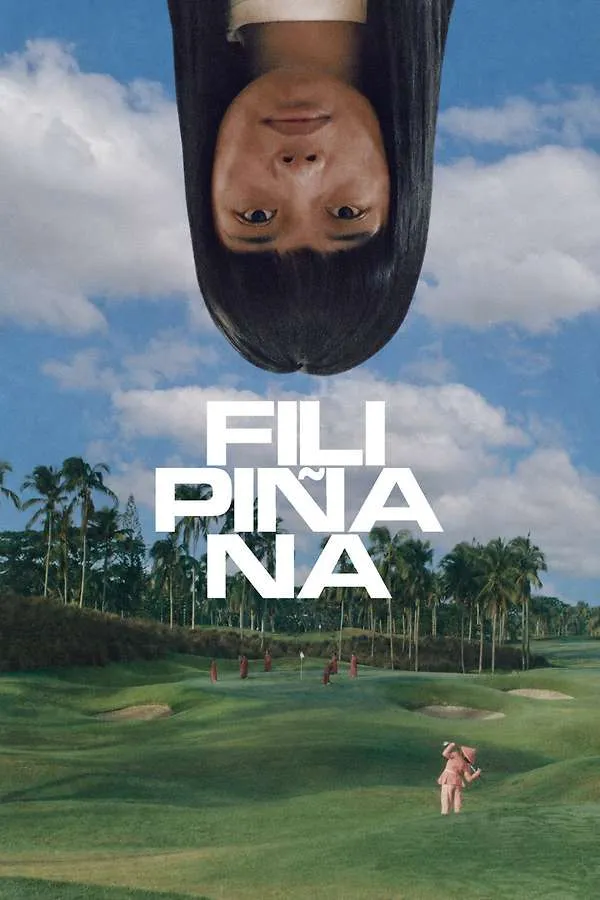
Filipiñana (2026) No Spoiler Review: A Beautiful Film That Doesn't Need a Complicated Plot
Rafael Manuel's first feature is slow, weird at first, and beautifully shot, and it justifies its simple premise.
Read more →
Almost Famous No Spoiler Review: On a Rewatch in My 40s, This Could Be Cameron Crowe's Best Film
Rewatched in my 40s, Almost Famous is a love letter to rock and roll and a mirror held up to it at the same time, and it could be Cameron Crowe's best film.
Read more →
Primetime (2026) No Spoiler Review: A Solid Robert Pattinson Performance Stuck in a So-So Story
Robert Pattinson gives us the weirdness we love as his own version of Chris Hansen, but a simple plot dragged out keeps Primetime at okay.
Read more →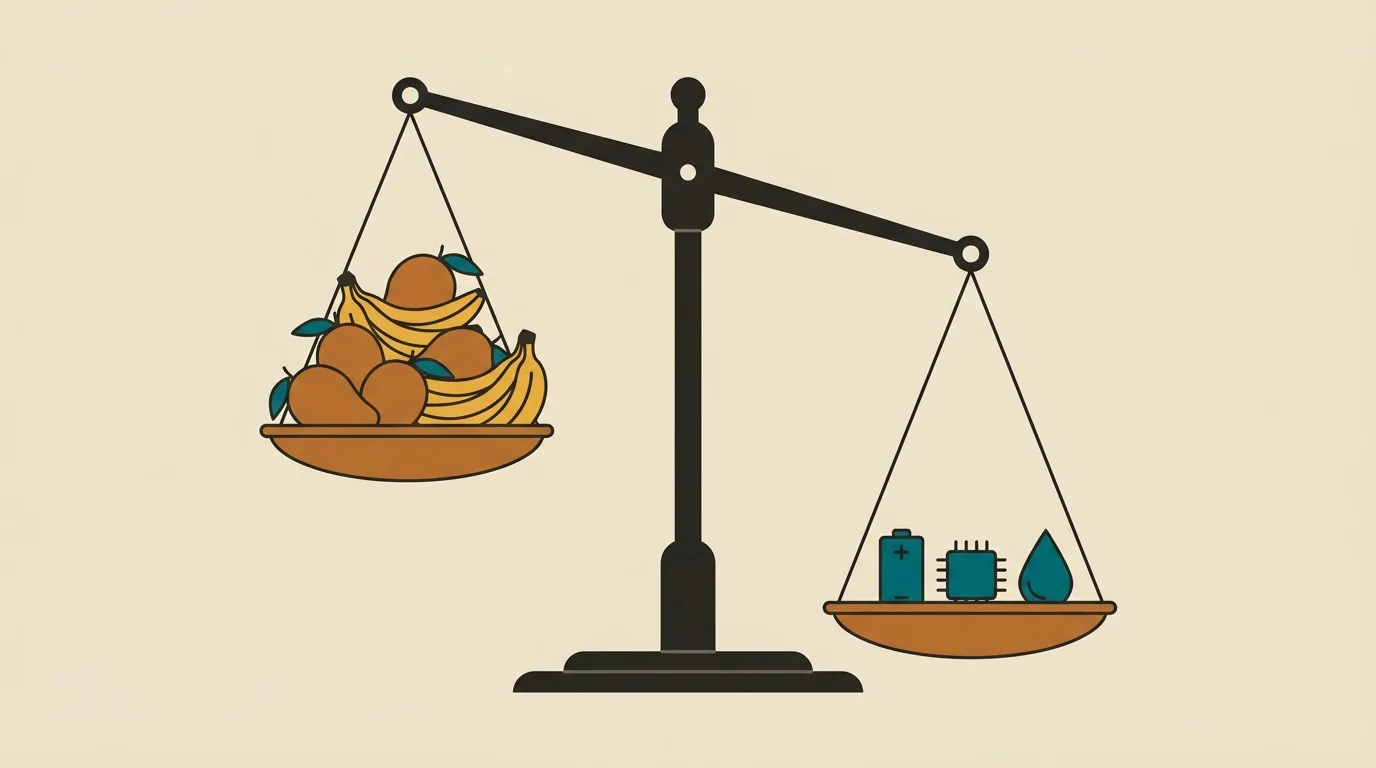
What does the world need from the Philippines? Right now, nothing it can't get somewhere else.
China refines 91% of the world's rare earths. Taiwan makes over 90% of its most advanced chips. We import 98% of our garlic and ship our nickel out as raw ore. What could the Philippines own that the world can't do without?
Read more →