Voicemails for Isabelle Review: The Best Rom-Com of the Past Decade, and Barely a Rom-Com
Zoey Deutch's best performance yet anchors a story that's really about two sisters. (Now Streaming on Netflix)
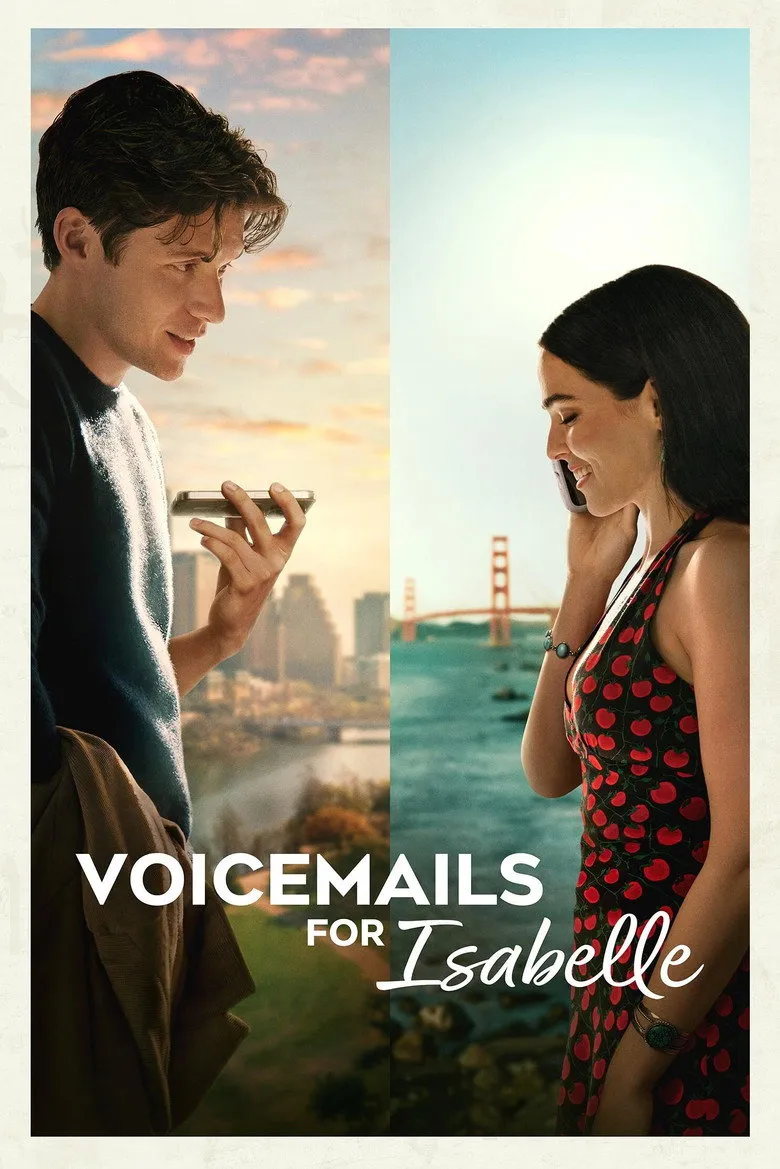
Maybe I’m just a huge Zoey Deutch fan. But this is the best rom-com of the past decade for me. And I struggle to even call it a rom-com, because it’s not just a rom-com. It’s a story.
Jill (Zoey Deutch), the lead, gives an acting masterclass, probably her best performance so far. She gave me Rachel Leigh Cook vibes from She’s All That (1999), an understated beauty that leans into the goofy. But she is far from just a manic pixie dream girl. She is the central character. Her backstory is full and meaningful, and we are clearly in her world. This is the right way to do things. She is the most popular actor in this film, and she should be the center. (I’m still annoyed at how Zoe Kravitz still takes supporting roles.)
The leading man, Wes (Nick Robinson), looks like the most handsome cousin of Macaulay Culkin and is charming enough to be relatable. Good subtle acting, and he shows confidence and insecurity at the same time. Compare him to Alex (Tom Blyth), the leading man in People We Meet on Vacation, who didn’t have enough charisma and played it too much like a loser, so he wasn’t relatable. Relatability is a big part of a rom-com. It makes it believable. A rom-com, anyway, is a vicarious thrill for times past. Arguably, Wes is the manic pixie dream boy.
Chef Bastien (Nick Offerman), a supporting role, rounds out the cast. Not his best, but it was nice to see him venture further out of his typecast.
Yes, it’s heavy on the rom-com, and it goes through the whole checklist: running in slow-motion in the rain, a soundtrack that reflects the times, the main characters dancing, a montage of meeting the wrong people on awful dates. But it sets itself apart by being more than just a romance. It bastardizes the meet-cute, which is actually pretty awesome. The meet-cute wasn’t cute. It was only half-romantic, because it was also half-creepy.
My wife says a good rom-com captures the zeitgeist in its costumes and pop culture, and this movie does. Music was good. Outfits were Gen Z. Setting and circumstance plausible. There’s also an interesting undercurrent of commentary on the modern dating scene, including a nod to how prevalent podcasts are and how the hosts have “virtually no talent.” That’s not true, but it’s funny, and it’s another nod to the moment.
I also liked how the tables turned in the romance. Wes is the hopeless romantic, the one who claims not to be a romantic, the one who just feels and doesn’t think. Jill is the one who vehemently declares she doesn’t need a man. And she means it.
Underneath, it’s really about the relationship of the two sisters, Jill and Isabelle (Ciara Bravo). 60/40, that’s where the movie lives. Jill versus Wes is actually 70/30 on screen time. The premise is unique and interesting, and moving into the third act I wasn’t quite sure how it would end.
Leah McKendrick wrote and directed this, and she also plays Breeda, one of Wes’s closest friends. Knowing an actual woman wrote it makes the story choices make more sense, and more obvious. This is a woman’s voice.
I teared up at the very last scene, and not for the obvious reasons. That’s what proves my theory on why the story works. It’s not just one story, it’s taken as a whole.
★★★★☆ for me.
Track your watches too? I’m on Letterboxd.
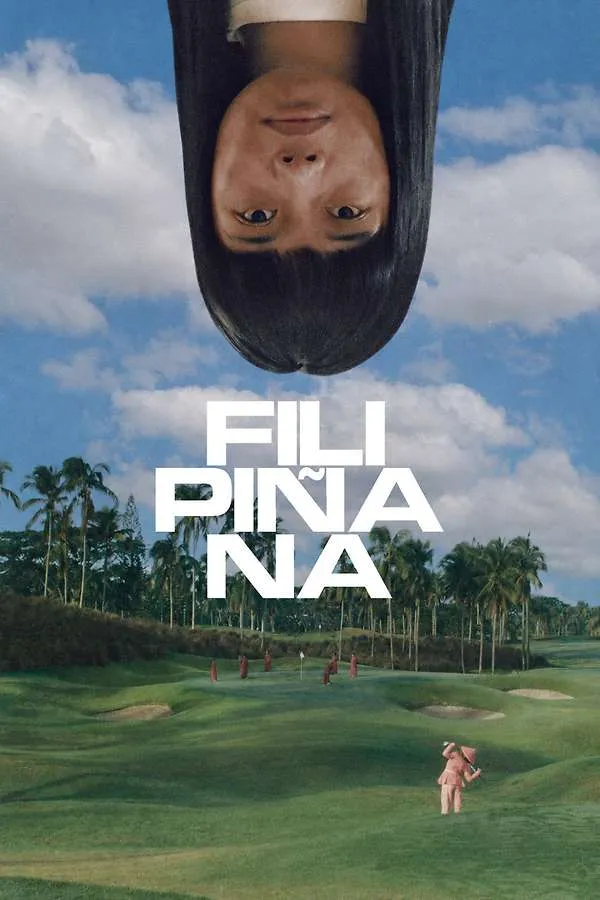
Filipiñana (2026) No Spoiler Review: A Beautiful Film That Doesn't Need a Complicated Plot
Rafael Manuel's first feature is slow, weird at first, and beautifully shot, and it justifies its simple premise.
Read more →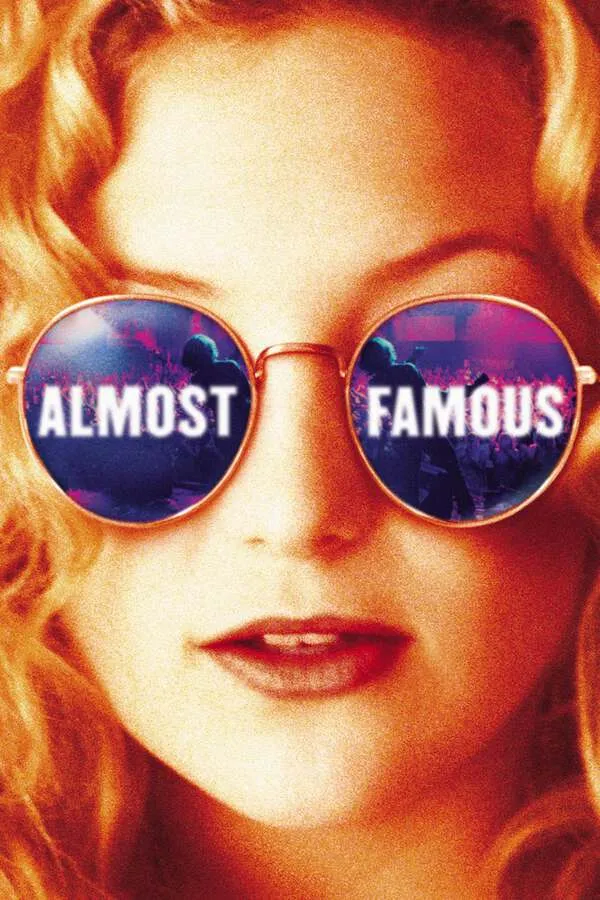
Almost Famous No Spoiler Review: On a Rewatch in My 40s, This Could Be Cameron Crowe's Best Film
Rewatched in my 40s, Almost Famous is a love letter to rock and roll and a mirror held up to it at the same time, and it could be Cameron Crowe's best film.
Read more →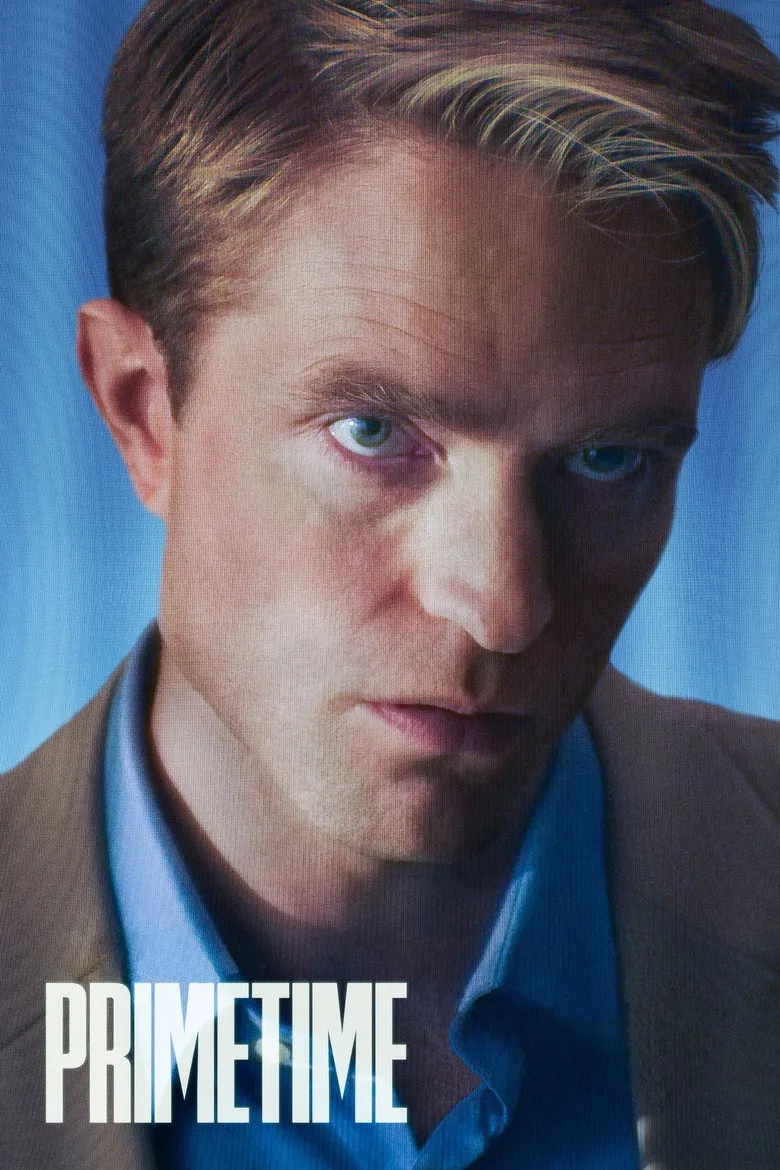
Primetime (2026) No Spoiler Review: A Solid Robert Pattinson Performance Stuck in a So-So Story
Robert Pattinson gives us the weirdness we love as his own version of Chris Hansen, but a simple plot dragged out keeps Primetime at okay.
Read more →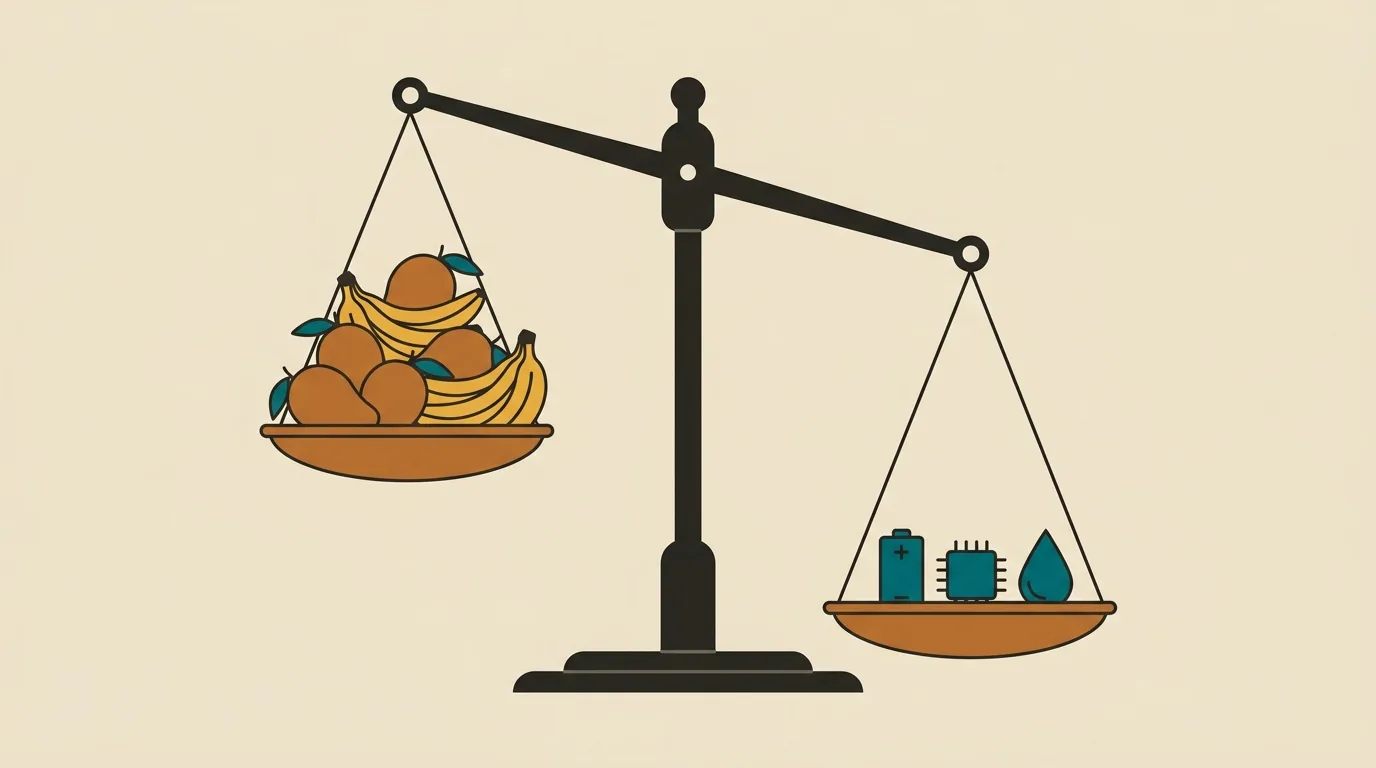
What does the world need from the Philippines? Right now, nothing it can't get somewhere else.
China refines 91% of the world's rare earths. Taiwan makes over 90% of its most advanced chips. We import 98% of our garlic and ship our nickel out as raw ore. What could the Philippines own that the world can't do without?
Read more →