8 Weeks Off Facebook
From the archive. Originally published on migmol.com on 2019-06-05, recovered and republished here in 2026 at its original address. Unedited except for formatting.
Being a tech enthusiast and a digital marketer by profession, I am aware of the many privacy concerns associated with Facebook. I also think that Facebook, in particular, has been the main instrument in the escalating polarization of views seen around the world. Social media is an echo chamber for your own point of view. The same algorithms designed to make you like or engage with a post are the same ones that reinforce your views. Social media manipulation has become a tool to destabilize governments and ideologies. And while a part of me can argue that social media is merely the tool, the ingenuousness of Mark Zuckerberg & Facebook as a company on their role in the disinformation and the propagation of harmful ideologies has been disturbing.
I’ve been trying to get off of Facebook since the Cambridge Analytica scandal in early 2018, but I couldn’t commit to it because the nature of my job required that I be on the platform. The platform was also the biggest network I had to share things with the world. If there was a cause, idea, article, or product I wanted to share to people (without paying money to do so) Facebook was the best medium.
In the past week, I also realized that most of my interactions on Facebook was with online publications and not actually with friends. Thinking of how to get around this, I unliked all the publications I follow on Facebook and put them into an RSS reader. I’ve been using the RSS reader (Feedly) for a few days now and it’s been pretty good. The news is less curated.
As I unloaded my Facebook feed of publications, I also considered reviewing all the people I stopped following and put them back in my feed. I was expecting to ‘reset’ my wall to have a refreshing new experience, but that’s not what I ended up with. What I realized was something that we all already know: most of our friends on Facebook are just acquaintances. I suppose that for some people who naturally excel in large social groups, it works just fine, but I know that I’m an introvert that likes to keeps small groups of friends, so I can do away with the feed.
Before writing this post, I learned that a former colleague is expecting another child and was making plans to meet up with some college friends through group chat. These are people that I actually don’t mind having lunch or a couple of drinks with. These are the people in my inner circles.
And so the question comes up again: do I still need to look at my Facebook feed and is it really feasible?
I guess part of the attraction of ‘the feed’ is that things that matter in your world are curated into one space. It becomes your go-to place on the internet to find out what’s going on, both in your personal life and the world around you. In my previous work, this ‘discoverability’ was a big reason why we invested more on Facebook vs YouTube. People go to Facebook to discover and thus were more open to finding out about new things.
But just as people used to watch cable TV and aimlessly just browse, this behaviour is strong but it can be broken. Millennials and Gen Z no longer watch TV. They aimlessly browse on other social media platforms (but not on Facebook because that’s what their parents use).
The trends do show that Facebook is becoming less and less relevant to younger people, but the Philippines is unique as it is the only country in the world with 100% penetration for Facebook, meaning 100% of people who are on the internet have a Facebook account. (That number was actually 99% for a few years but they finally decided to just say 100% by end 2018). So there is still a case to try to get off the platform.
So here’s the plan: I am willing to give up looking at my Facebook feed. I’ll try to do it for 8 weeks straight at first (because it takes that long to build/break a habit).
However, I am not letting go of Facebook Messenger, Instagram, and Whatsapp, which are all owned & operated by Facebook. For the past year, I’ve actually had those 3 apps on my phone but not the Facebook app. Not having the Facebook app on your phone (and just using the browser if you need to access it) tries to ensure that Facebook doesn’t track things (e.g. your location at all times, phone usage statistics) without your permission. It also reduces prompts from the app which have been linked to social media addiction. Writing this, I suddenly see the value in breaking up Facebook as a company.
It also emphasizes why messaging apps are so important to advertisers and social media companies moving forward. Facebook Messenger actually raises some red flags as is because Facebook has acknowledged that they are aware of what you talk about in your messages (and use it for advertising). And if you haven’t seen them yet, ads are coming to your messaging apps. (If you’re concerned about all of this, just use Telegram).
So is there merit to this 8-week abstinence?
Yes, because 1st, it’s a test to gauge addiction, which is always good. 2nd, albeit a small step, it’s a statement against the evils that Facebook hasn’t distanced itself from. Let’s talk about steel straws some other time, but these mini-changes can have big effects in the long run.
Of course, I’ll write back in 8 weeks to confirm all of this. So until then, if you want to catch up and know what’s happening in my life, drop me a DM and let’s have coffee. I’d love to know what’s going on in your life. Diversity of ideas and perspectives is good and face-to-face interaction has zero latency. And this actually, is a 3rd reason why this 8-week test can be a good thing. We should have more real-life conversations.
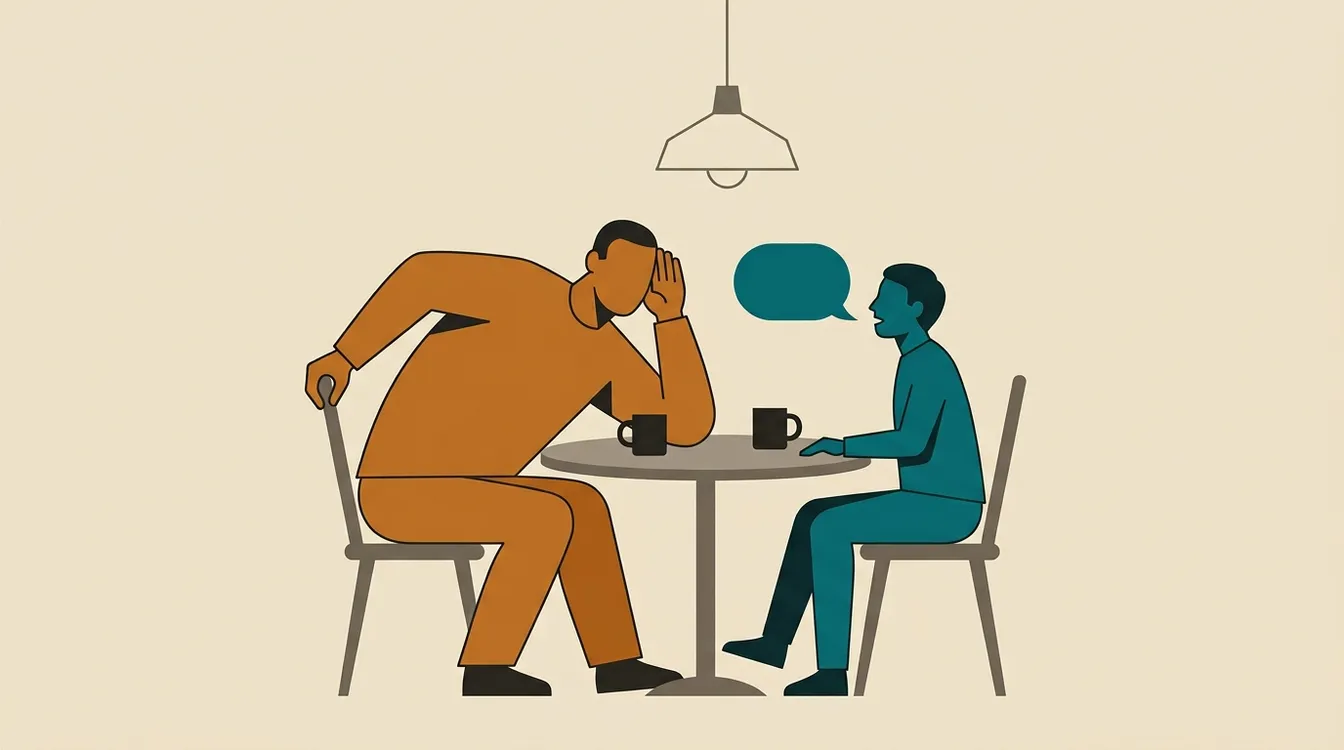
How Do You Change Someone's Mind? Tell Them You Heard Them First
If you've been following the impeachment trial, you've heard it a hundred times. Someone raises a point, and Presiding Officer Chiz Escudero answers, "Duly noted."
Read more →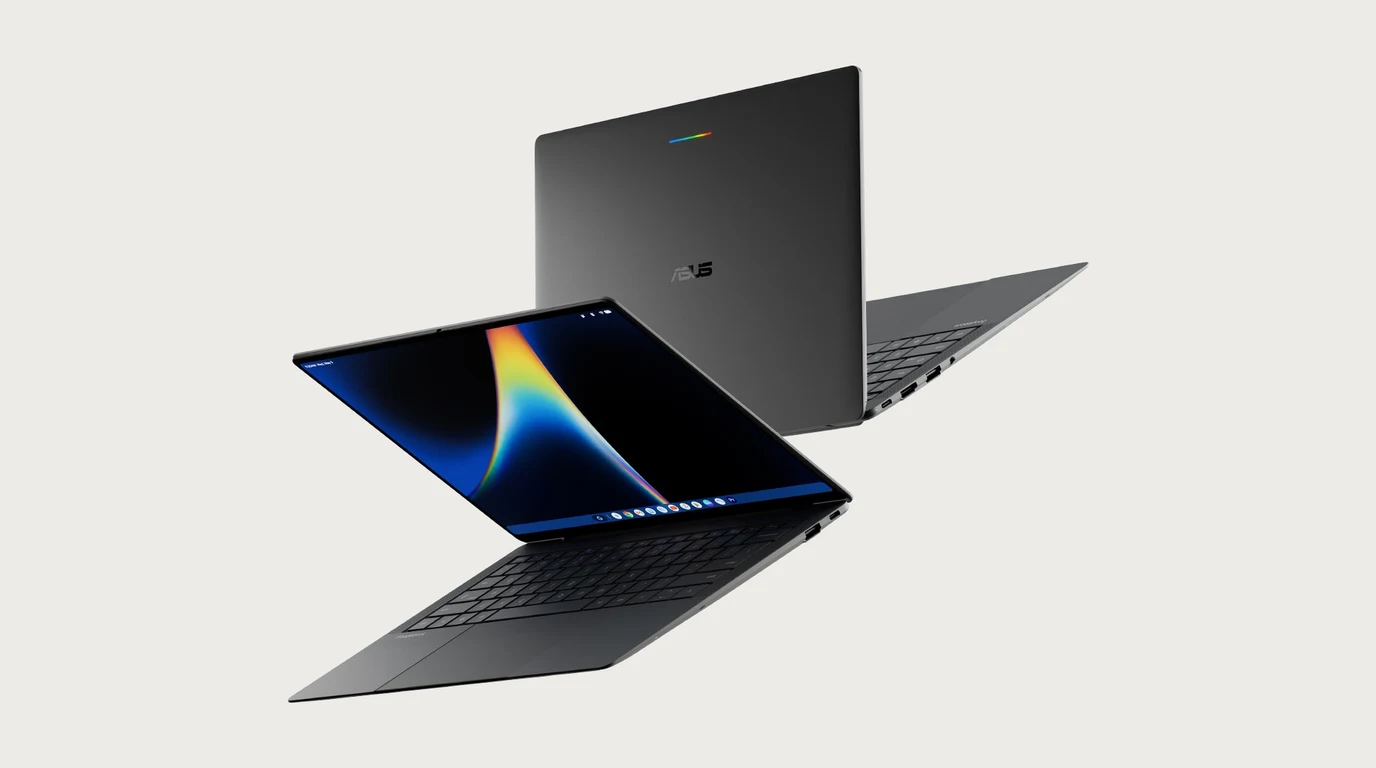
I bought a Windows laptop last year. If I were buying now, my Android phone would talk me into a Googlebook.
Google's premium laptop is no longer a Chromebook. It's an Android laptop built around the phone you already own, and ten features would have made me buy one.
Read more →
Alex Eala Doesn't Owe Us Anything
But she showed up anyway.
Read more →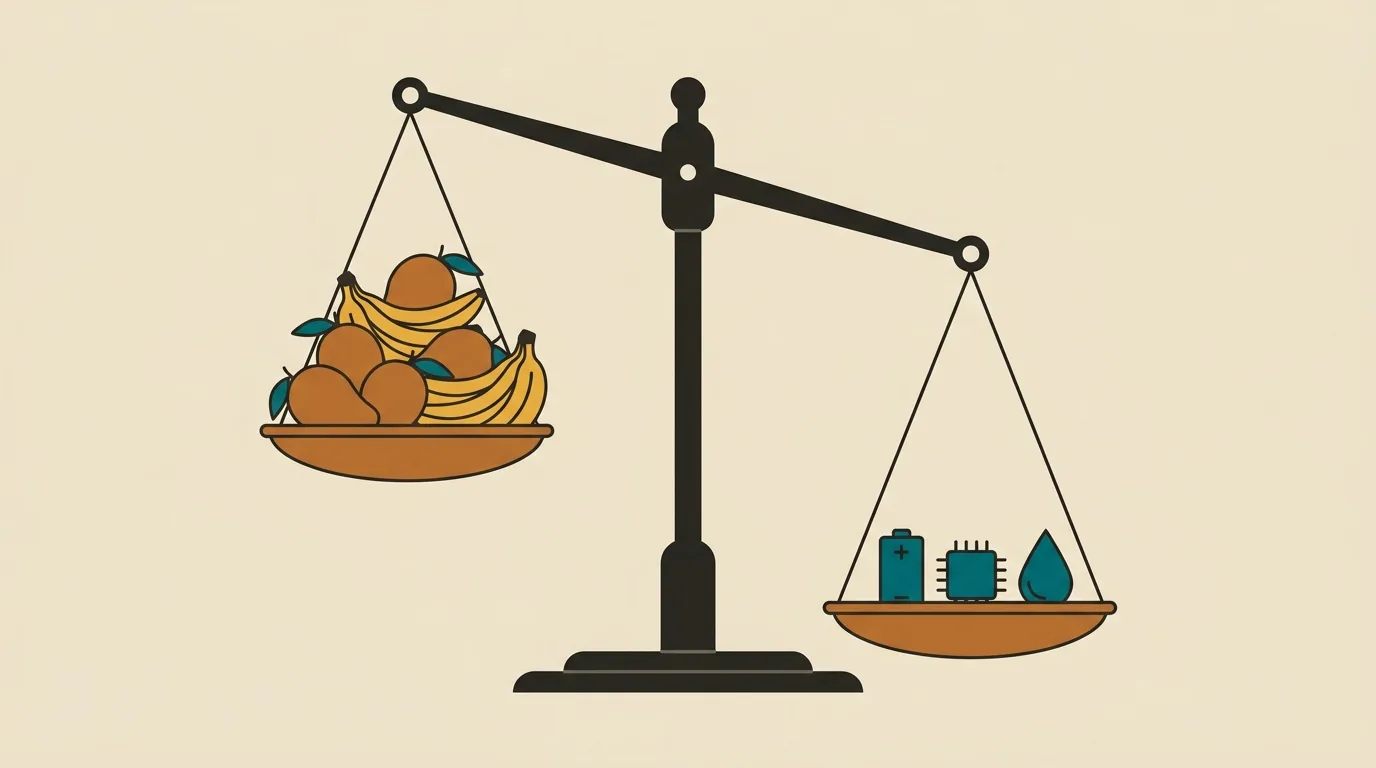
What does the world need from the Philippines? Right now, nothing it can't get somewhere else.
China refines 91% of the world's rare earths. Taiwan makes over 90% of its most advanced chips. We import 98% of our garlic and ship our nickel out as raw ore. What could the Philippines own that the world can't do without?
Read more →