How Do You Change Someone's Mind? Tell Them You Heard Them First
If you’ve been following the impeachment trial, you’ve heard it a hundred times. Someone raises a point, and Presiding Officer Chiz Escudero answers, “Duly noted.”
Kitchens have their own version, or at least the kitchen in The Bear does. Someone calls out an order, and the answer comes back right away: “Heard, chef.”
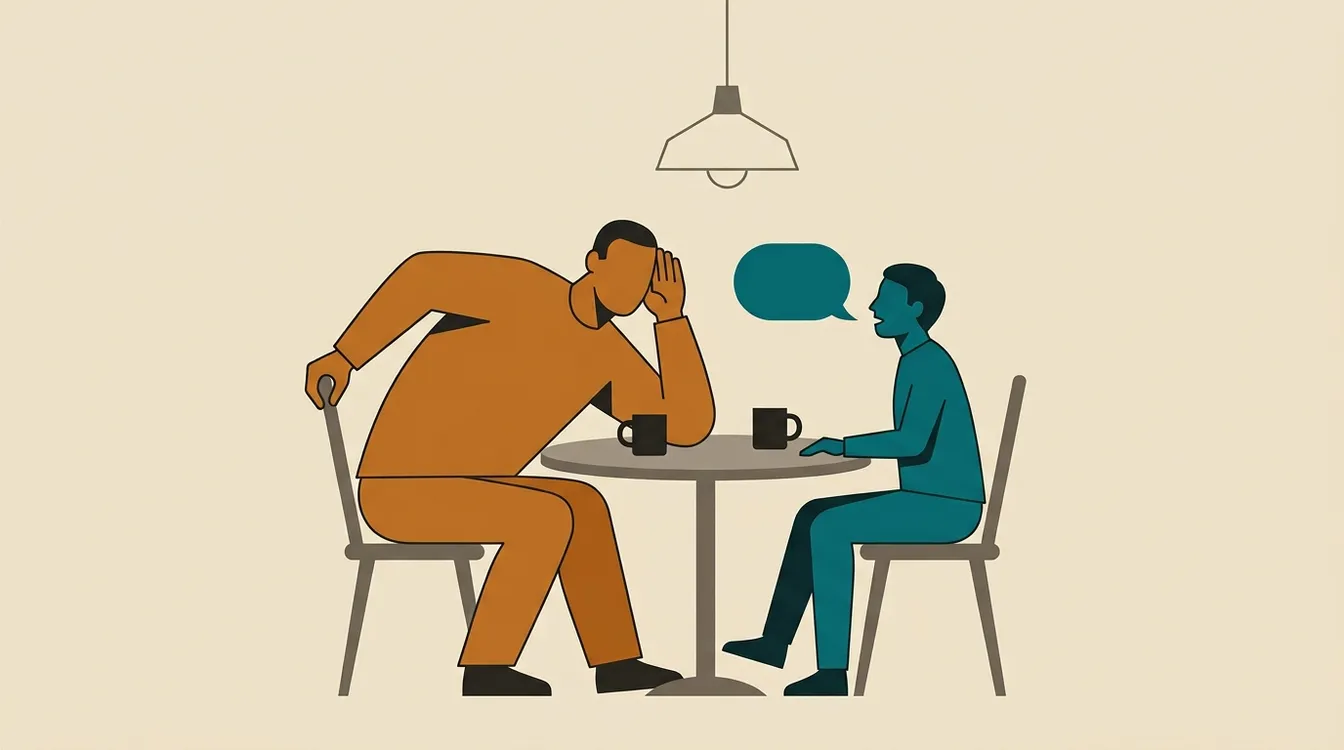
Two very different rooms, and the same two-word job. Both tell the other person that what they said landed. Whether anyone agrees with it comes later.
We picked it up at home. I can have a bit of a strong personality and my wife is more timid, so it’s been helpful to let her know that even if I seem headstrong with my points or perspectives, I do in fact hear what she’s saying. So for a few months after watching The Bear, we kept telling each other “heard.” Haha! I think I even applied it to work. And to be honest, it’s a very good habit. It still comes out every now and then, but I think I’ll bring it back.
It helps even more when you and the other person disagree. There’s been research on how best to convince someone of something, especially when you’re on opposite sides, and it keeps pointing the same way: don’t try to convert them. Listen to them first.
In one set of experiments, Guy Itzchakov and his colleagues had people talk about a controversial topic they cared about, over video and over Zoom. The person on the other end only listened. Some listened well, some listened poorly. The people who got good listening came out of the conversation holding their views less extremely, and saw themselves as more similar to people on the other side. Nobody argued with them, and nobody showed them evidence. They were just heard, and they softened on their own.
It works because people are naturally defensive. We identify with our ideas, so closely that we think we are our ideas, and when you attack the idea, the person feels attacked. A 2016 brain-scan study from USC shows this pretty plainly. Researchers challenged people’s beliefs while they were inside an MRI. Their non-political beliefs moved a little when shown counterarguments, but their political beliefs barely moved at all, and the parts of the brain that lit up were the ones tied to identity and to threat. A challenge to a belief they held dear registered as a challenge to themselves.
So if you lead with your argument, you’re walking straight into that defense. The harder you push, the more the other person digs in, and you both walk away more certain than when you started. Listening first lowers the guard. Understanding the other person is more important than imposing your understanding on them, especially if what you actually want is for them to change their mind.
Of course, “duly noted” can also be a brush-off, said out of habit and not because the person really means it. The same way you aren’t really toasting anyone when you sign off an email with “cheers,” nor are you actually smiling and wishing them to smile when you end it with a smiley. The words only work if you mean them.
But really, you are not your ideas. Those are just ideas. That’s not who you are, metaphorically and physically. Let’s just remember that:
- You’re not your idea.
- You have two ears and one mouth, so listen first.
- There is power in a simple word like “heard” or a simple phrase like “duly noted,” because it confirms to the other person that they are heard and understood.


I bought a Windows laptop last year. If I were buying now, my Android phone would talk me into a Googlebook.
Google's premium laptop is no longer a Chromebook. It's an Android laptop built around the phone you already own, and ten features would have made me buy one.
Read more →
Alex Eala Doesn't Owe Us Anything
But she showed up anyway.
Read more →
Culinary Class Wars: Philippines — Dark Horses and Predictions
Who goes further than anyone expects, who cracks, and my actual call on how this ends. Part 3 of 3.
Read more →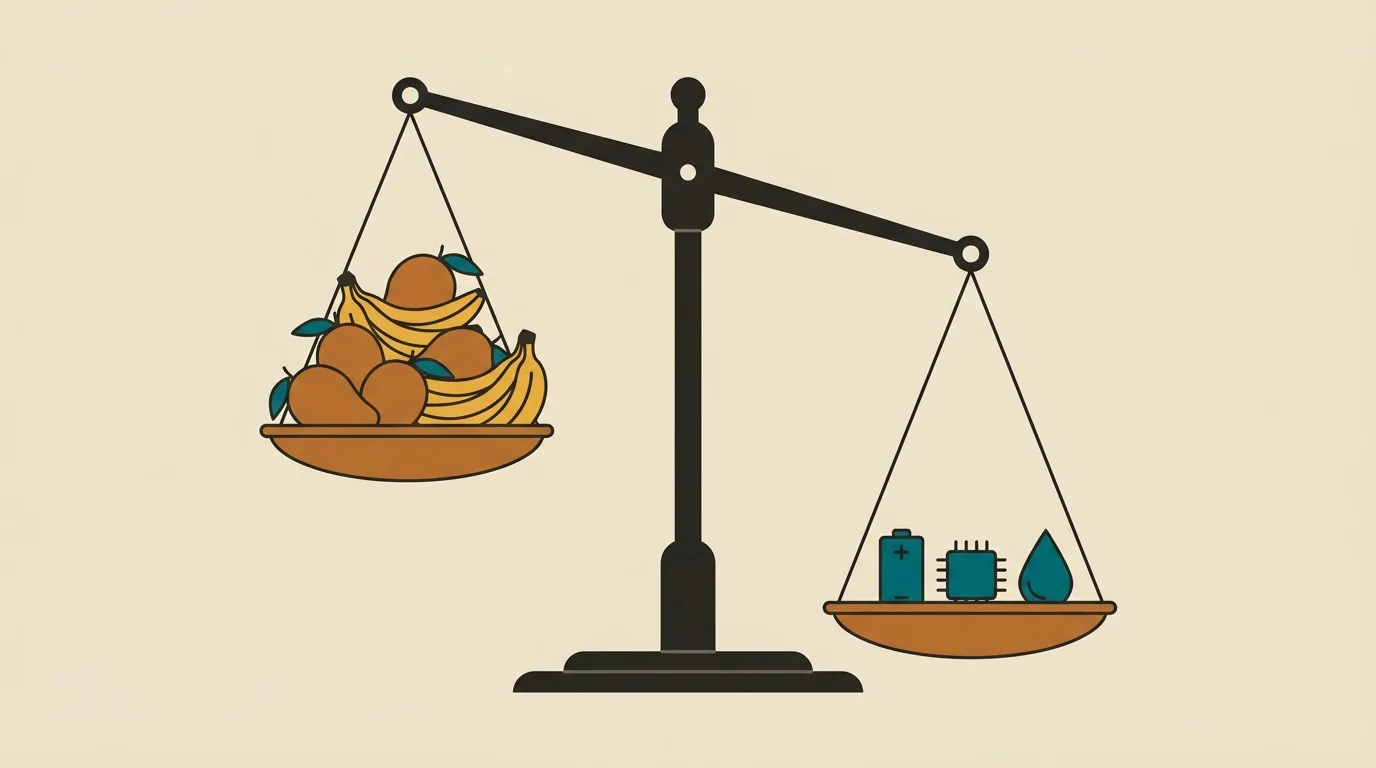
What does the world need from the Philippines? Right now, nothing it can't get somewhere else.
China refines 91% of the world's rare earths. Taiwan makes over 90% of its most advanced chips. We import 98% of our garlic and ship our nickel out as raw ore. What could the Philippines own that the world can't do without?
Read more →