The PH Should Be Best in the World on Facebook Policy

After a string of school shootings, a Philippine delegation flew to Singapore to sit across a table from Meta.
It was not a small delegation. The DICT led it, and with them were the NBI, the CICC, the National Telecommunications Commission, the House, the Senate, and the Office of the Executive Secretary. Meta sent Sarim Aziz, its director for public policy in Southeast Asia, and Gio Tiongson, its head of public policy for the Philippines. Roblox was summoned to the same city on the same trip.
They had to fly to Singapore because neither company keeps a real office in Manila. DICT Secretary Henry Aguda said it plainly: “Ito yung problema namin, wala silang opisina sa Manila.” That is the whole problem in one sentence. You cannot summon a company that has not shown up.
The early results are better than I expected.

Meta and the government agreed to form a technical working group on harmful content, threats of violence, and child sexual abuse material, focused on coordination, response times, and service-level action. Meta will name a point of contact so there is an open line to Philippine authorities instead of a form. It reaffirmed a zero-tolerance position on CSAEM, industry shorthand for child sexual abuse and exploitation material, which covers any image, video, or content depicting the sexual abuse or exploitation of a minor, including material used to groom or coerce a child. Meta committed to assisting law enforcement in cases involving imminent harm to a child, and agreed to cooperate with lawful requests for account records.
Reuters reported that both Meta and Roblox agreed to the protocols the Philippines asked for, including putting an office in the country, age verification, cooperating with law enforcement, and faster takedowns. Roblox may open a Philippine office as early as October. Meta is sending a team to Manila to discuss a timeline.
Aguda’s own line on it was the right one: “These are serious issues, and there is no reason to celebrate. What matters is that we now have concrete commitments and a framework for action.”
Here is what makes the whole thing slightly absurd. There was never a good reason for Meta not to cooperate with us in the first place.

Facebook reaches 88.3% of the Philippine population, the highest penetration rate of any country on earth. We are the 6th largest Facebook country in the world and the 3rd largest in Asia-Pacific, behind only India and Indonesia. The average Filipino user spends 33 hours and 50 minutes a week on social media, close to a full working week. And Meta’s own advertising tools claim it can reach 109.2 million people here, in a country where only 98.0 million are online at all, a gap made of duplicate and manufactured accounts that somebody is paying to reach.
This is not a marginal market that Meta could walk away from over a compliance cost. It is one of the most saturated positions the company holds anywhere. We were also, in Zuckerberg’s own words, a “successful test bed” for Free Basics in 2015, the place that proved a whole country would decide Facebook was the internet. And roughly 10,000 Filipinos in Metro Manila already do content moderation for the platforms through outsourcing firms. We are not asking a stranger for a favour. We are asking a company that is deeply, profitably embedded here to answer the phone.
So I am hopeful the proper agreements get signed by September, and that the Manila visit produces a date rather than another photograph.
But a fair question belongs on the table too: why did this only happen now?
The honest answer is that it did not come out of nowhere. DICT and CICC had been complaining about Meta being unreachable for a while. DICT threatened Roblox with a ban in April and stood down when Roblox made commitments. There was an earlier agreement with Meta on online harms this year. What was missing was not contact; it was consequence. Every engagement ended with a promise and no mechanism, which is why Aguda could still say this month that the platforms had two debts outstanding: a local office, and identity verification tied to the national ID.
It took Tacloban and Zamboanga to turn a complaint into a plane ticket. Three students killed and 20 injured at a high school in Tacloban. A student at Ateneo de Zamboanga livestreaming his attack through a body-worn camera. That is a heavy price for a meeting that could have been demanded at any point in the last decade.
The Manila office is the one to track, because it is the one that fixes jurisdiction. Roblox has a month attached to it. Meta, so far, has a team and a conversation. Age verification tied to the national ID is the second, and it is the harder one; Meta’s own $18 billion settlement in the US this month leans on age-assurance technology that does not yet work reliably anywhere. The third is whether the working group has service levels with teeth or turns into a standing meeting.
Then there is the bigger list, and almost nothing on it came up.

Every item there is a live Philippine problem. Troll farms are a domestic industry, not a rumour, and Meta’s own ad tools still claim it can reach 11 million more Filipinos than are online. Election manipulation runs through this platform every cycle and the next national vote is not far off. Fake news enforcement here has no penalty attached to it. Illicit content and the grooming networks the NBI is now tracking sit on the same platforms. Accounts are still not tied to real people. And Australia has already legislated a minimum age for social media, so the precedent exists and works well enough to copy.
Meta also agreed, in that US settlement, to build real protections for teenagers: a two-hour daily limit on by default, notifications muted during school hours, access blocked at night, likes hidden. The company has priced those, signed for them, and will ship them to American children. Nobody in Singapore appears to have asked for them here. We should.
So things look promising, and I would rather be here than where we were a month ago. But promising is not done. Both sides have to follow through, and that means watching our own institutions as closely as we watch the company. A working group with no published output is not progress. An office announced and not opened is not progress.
The last part is the one I actually care about. I hope this is a lesson to Filipinos that we deserve more than we usually ask for. Not just from Meta, from our own government. It should not take dead students to get officials on a plane. We are allowed to question, and we should, but questioning is the floor. We should be asking for more, earlier, and out loud.
We are the people. The government answers to us.
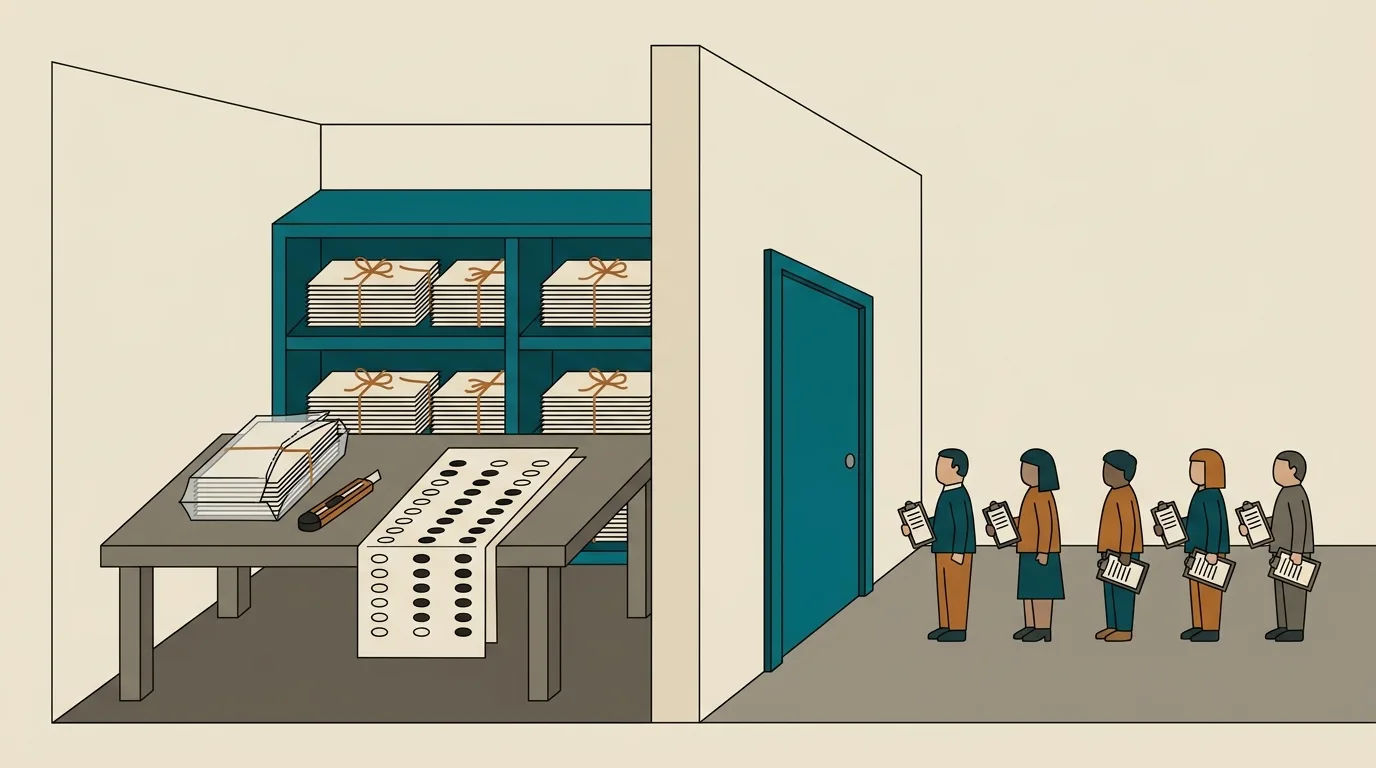
16,563 Ballots Were Shaded Before Anyone Voted
Nobody had to break a rule to reach the pre-shaded ballots in Maluso. The rule put them there. The Omnibus Election Code was written two months before EDSA, and Comelec's 963-page fix is still waiting.
Read more →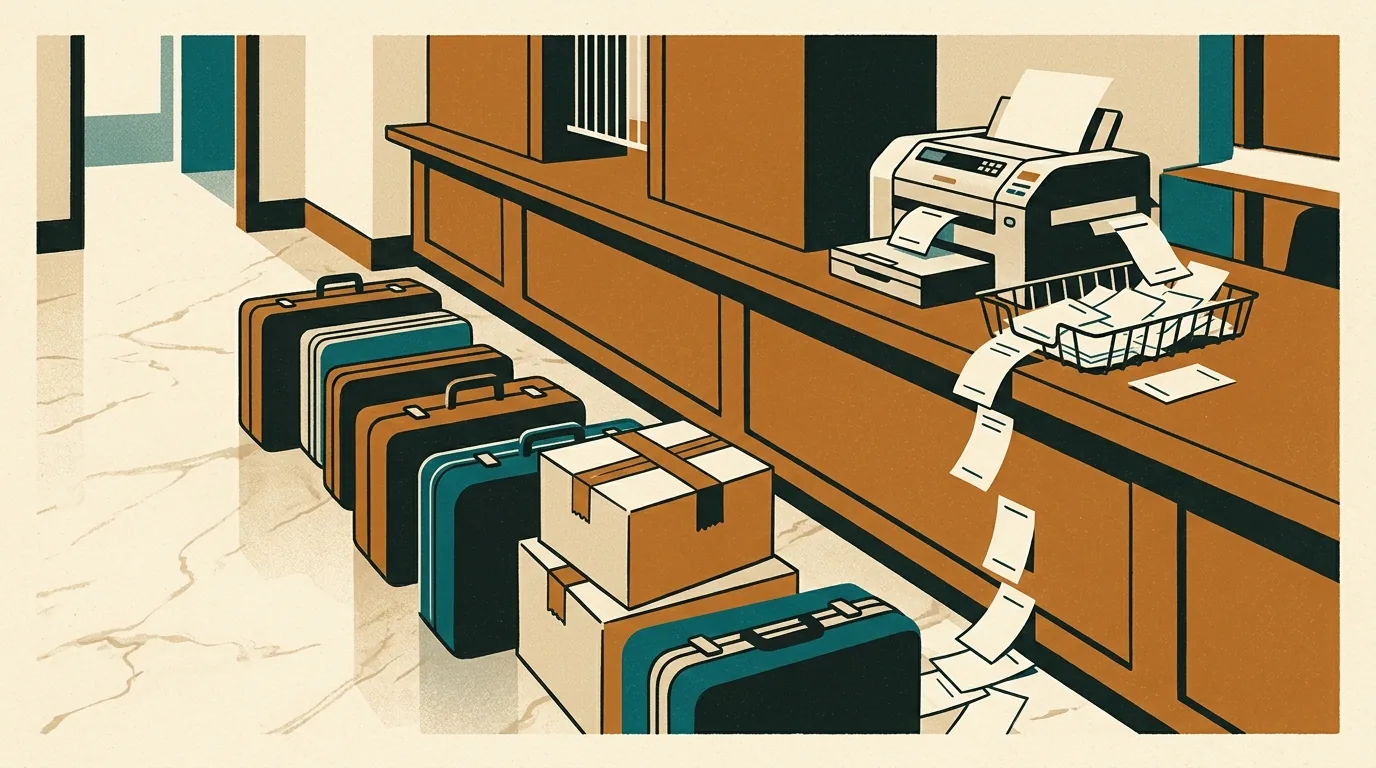
₱457 Million in Cash, and Nobody Asked
The bank filed the report. The AMLC said it had too many to read. Part 4 of 4 on anti-corruption with teeth.
Read more →
If you're above 40, this is the 2nd Iran Oil Crisis in Your Lifetime.
In 1980, a crisis in Iran pushed oil to $149 a barrel in today's dollars. Saudi Arabia had warned that prices that high would push the world to find something else, and it did. In 2026 it is Iran again, and this time the something else is already in our driveways.
Read more →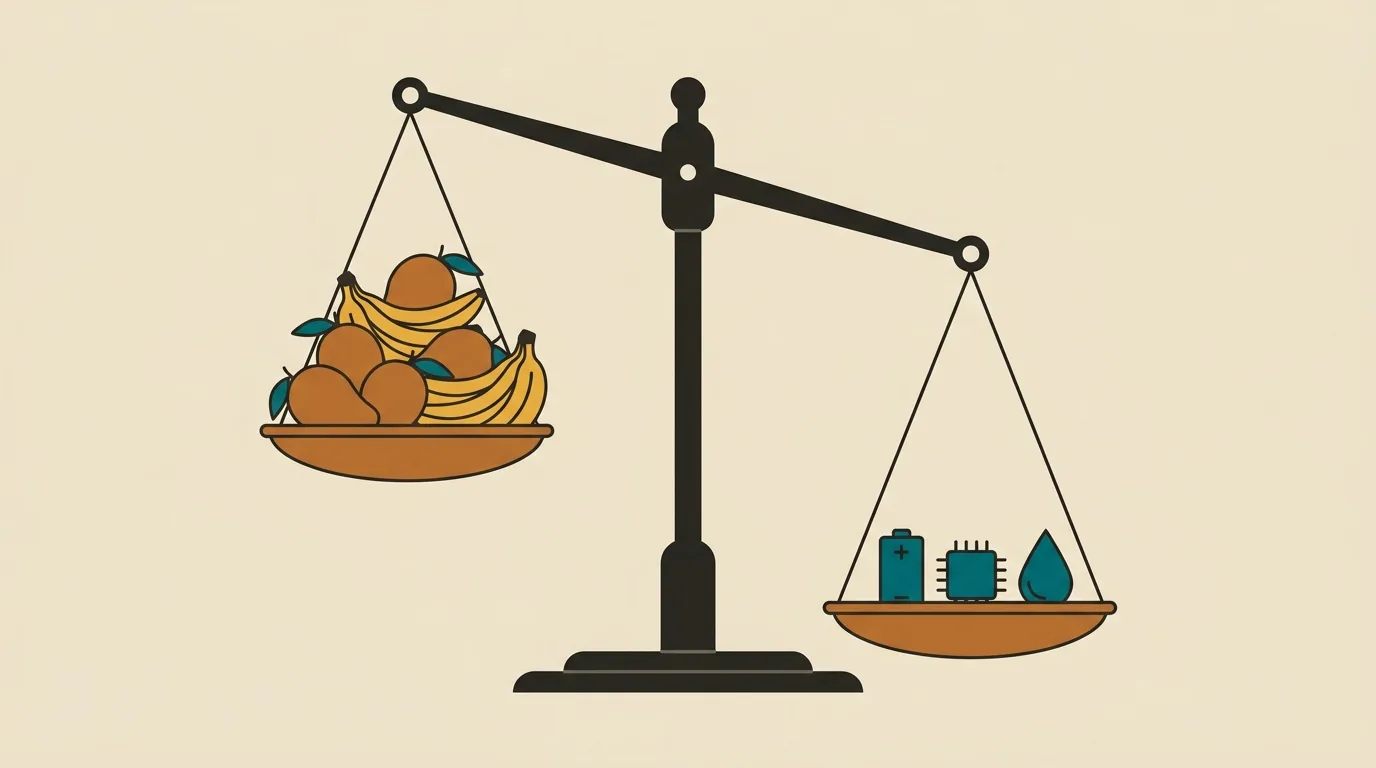
What does the world need from the Philippines? Right now, nothing it can't get somewhere else.
China refines 91% of the world's rare earths. Taiwan makes over 90% of its most advanced chips. We import 98% of our garlic and ship our nickel out as raw ore. What could the Philippines own that the world can't do without?
Read more →