Culinary Class Wars: Philippines — The Challenges
Six challenges, from burong isda in Pampanga to pares on a Manila street corner. Each one designed to test something different about Filipino cooking.
This is Part 2 of a 3-part series. Part 1 revealed the roster. Part 2 explores the challenges. Part 3 will dive into predictions and what this competition says about who owns Filipino cuisine.
You’ve met the 40 chefs, 22 White Hats and 18 Black Hats. You know which side of the line each one sits on and why. You understand the rivalries.
Now let’s talk about the battlefield.
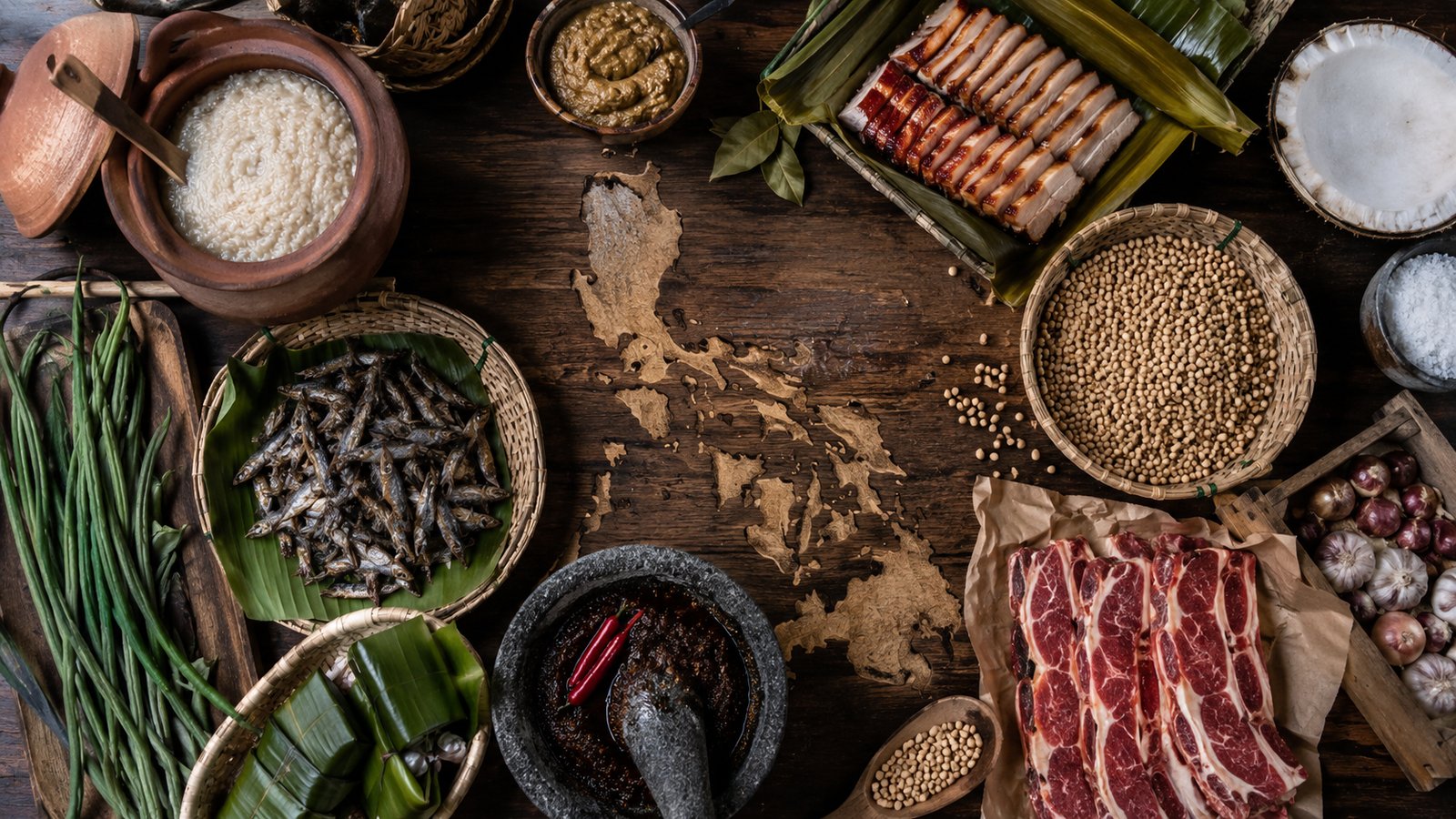
This isn’t just a cooking competition. It’s a culinary journey across the Philippine archipelago, from the northernmost islands of Batanes to the southern seas of Sulu. From the highlands of the Cordillera to the streets of Manila. Each challenge features an ingredient or theme that represents a region, a tradition, or a fundamental question about Filipino cuisine.
These aren’t random cooking challenges. They’re designed to test technique, soul, regional knowledge, and the ability to honor Filipino classics while proving culinary mastery.
Six challenges. No predetermined winners. Just strategic matchups and the question: Who would survive?
THE CHALLENGE PHILOSOPHY
Here’s how these challenges work:
We give them an ingredient. Not a dish. Not a style. Just an ingredient or a theme.
They cook whatever they want. Their vision. Their interpretation. Their creativity within the constraints.
The drama comes from how each chef approaches the same challenge differently. A Michelin chef might deconstruct. A heritage guardian might preserve. A viral creator might make it accessible. A rebel might push boundaries.
This is exactly how the original Culinary Class Wars worked in Korea. You don’t dictate style, you unleash creativity within limitations.
Now let’s see what we’ve built.
CHALLENGE 1: The Filipino Canon — Reimagined
THE SETUP:
Before we take you across regional Philippines, we need to establish a baseline. Can you cook Filipino food at all? Can you honor the classics while proving you’re world-class?
Choose ONE Filipino classic and show us your interpretation. But there’s a catch, actually, two catches.
THE CLASSICS (Pick One):
- Adobo
- Sinigang
- Kare-Kare
- Lechon Kawali
- Sisig
- Pancit
- Lumpia
WILDCARD 1 — Protein Restriction:
You cannot use the obvious protein.
- No pork adobo
- No beef kare-kare
- No pork sisig
- No pork lechon kawali
- No pork/shrimp lumpia
Use something unexpected. Prove your range.
WILDCARD 2 — Format Wildcard (Card Draw):
You draw a card. Your dish MUST be presented as one of these formats:
- Pasta/Noodle Dish — “Make your adobo… as pasta”
- Sandwich/Burger — “Make your kare-kare… as a sandwich”
- Dessert — “Make your sinigang… as a dessert” (yes, really)
- Rice Bowl/Donburi — “Make your sisig… as a rice bowl”
- Soup/Broth — “Make your lechon kawali… as a soup”
- Salad — “Make your adobo… as a salad”
- Taco/Wrap — “Make your kare-kare… in a tortilla”
THE DEEPER TRUTH:
Every Filipino family claims they know how to make adobo or kare-kare. “Your mom’s adobo is the best adobo.” Every Filipino has that muscle memory, that emotional anchor.
So the challenge is: Can you make it recognizably the classic while proving you’re elite?
The wildcards force contestants to show culinary prowess while respecting the soul of the dish. You can’t just cook it the way your mom does. You have to prove skill. But if you stray too far and judges can’t recognize it anymore? You lose.
WHY THIS MATTERS:
For White Hats:
- Over-intellectualize a simple dish? You lose the soul.
- Make it unrecognizable? Judges will destroy you.
- Play it too fancy? Filipino food doesn’t need your validation.
For Black Hats:
- Play it too safe? You look like you can’t compete with fine dining.
- Cook it “home-style” with basic plating? Is that enough against Michelin precision?
- Mess up the fundamentals? You’re exposed immediately.
Example Nightmare Scenarios:
A chef draws: Adobo + Dessert
- Must make adobo flavors (vinegar, soy, garlic, bay leaves) work as a DESSERT
- Can they make “sweet adobo” without it being disgusting?
- Ice cream? Custard? Cake? How?
A chef draws: Kare-Kare + Pasta
- Peanut sauce becomes pasta sauce
- Vegetables become pasta components
- Must still taste like kare-kare but… as pasta
A chef draws: Sisig + Dessert
- Crispy, savory, spicy sisig… as DESSERT?
- This might be impossible. Or it might be genius.
This challenge separates technical skill from soul. Some chefs will draw easy formats. Some will draw nightmares. That’s the game.
CHALLENGE 2: The Fermentation Face-Off
FEATURED INGREDIENT: Burong Isda (Pampanga)
What it is: Fermented rice and fish paste from Pampanga. Made by layering cooked rice with raw freshwater fish (usually mudfish or tilapia), salt, and angkak (red yeast rice), then fermenting for days to weeks. The result is funky, sour, umami-rich, and polarizing.
Cultural significance: This is ancestral Pampanga. Not just an ingredient; it’s oral tradition, grandmother’s kitchen, the soul of Kapampangan cuisine. To cook burong isda is to understand patience, fermentation science, and regional identity.
THE CHALLENGE: Cook anything with burong isda. 60 minutes. Show us your vision.
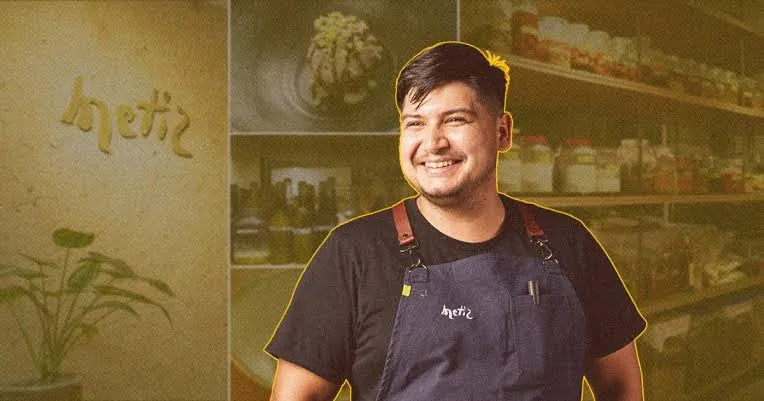
Fermentation specialist. Built a Michelin-recognised kitchen on funk most chefs are afraid of.
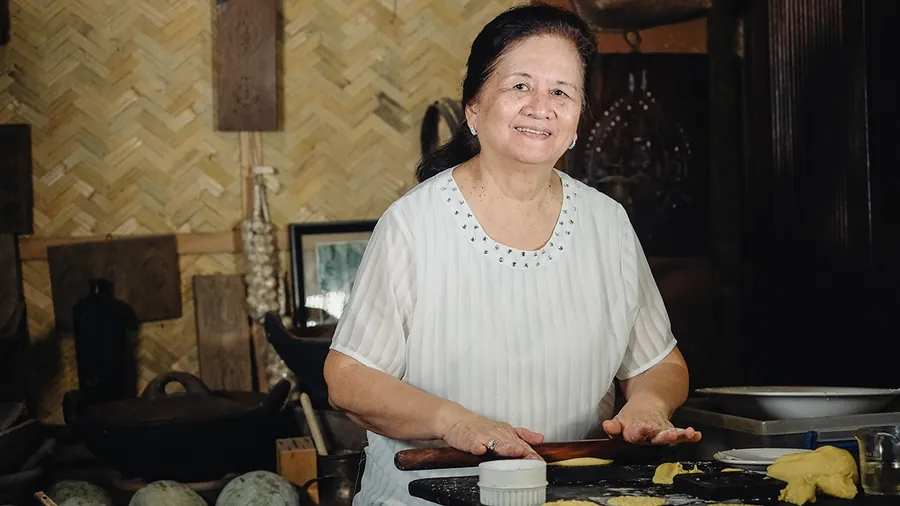
Learned burong isda from her grandmother. No cookbook stands between her and the recipe.
STRATEGIC MATCHUP:
White Hat: Stephan Duhesme | Metiz
- Fermentation specialist who makes “ugly-delicious” his signature
- Has elevated funky Filipino food to fine dining recognition
- Natural advantage: Technical fermentation knowledge, modern techniques, elegant plating
- Vulnerability: This isn’t HIS cuisine. He’s innovating on someone else’s grandmother’s recipe.
Black Hat: Atching Lillian | Kapampangan Custodian
- This is HER ingredient. She learned burong isda from her grandmother.
- Lives and breathes Kapampangan heirloom cooking.
- Natural advantage: Authenticity. Emotional connection. She knows this ingredient in her bones.
- Vulnerability: Traditional methods are slow. Plating might not compete with Stephan’s Michelin elegance.
THE TENSION:
Technique vs Soul.
Stephan can make burong isda look like art, probably burong isda gel, crispy fish skin, pickled vegetables, microgreens. Michelin-level presentation.
Atching can make it taste like home, probably burong isda fried rice, or traditional pairing with grilled pork. Simple, soulful, the way it’s been done for generations.
Judges must decide: Do you reward the chef who elevates the ingredient to new heights, or the guardian who preserves it as it was meant to be?
What’s at stake:
- If Stephan wins: Innovation and technique triumph. The message: Filipino ingredients need elevation to compete.
- If Atching wins: Heritage and authenticity matter. The message: Some things shouldn’t be deconstructed.
Who wins? You decide.
CHALLENGE 3: The Highland Showdown
FEATURED INGREDIENT: Etag (Cordillera)
What it is: Smoked and aged pork from the Cordillera highlands. Traditional preservation method where pork is salted, smoked over pine wood, and aged for weeks to months (sometimes years). The result is intensely smoky, funky, almost ham-like, with deep umami.
Cultural significance: Etag represents indigenous Cordilleran food culture, preservation born from necessity in the mountains. It’s tied to rituals, celebrations, and communal cooking. To the Igorot people, etag is heritage.
THE CHALLENGE: Cook anything with etag. Show us your vision.
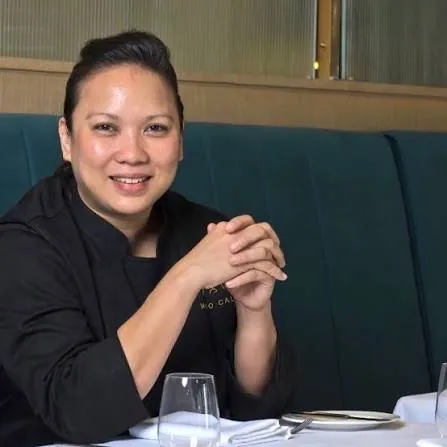
Robuchon-trained. French discipline applied to ingredients most fine dining rooms never touch.
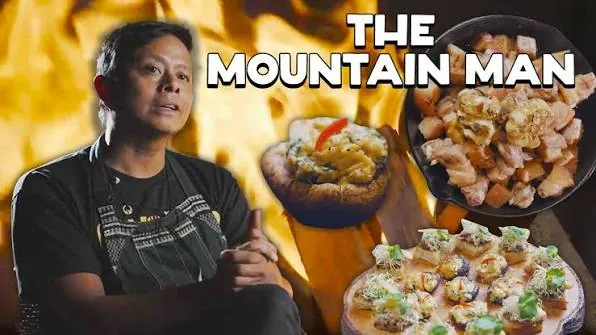
Former musician turned open-fire cook. Feeds people Cordilleran food off his own roofdeck.
STRATEGIC MATCHUP:
White Hat: Miko Calo | Robuchon-trained
- French training means she understands charcuterie, aging, and umami-building
- Robuchon taught her how to respect ingredients while applying precision technique
- Natural advantage: Can make etag accessible to fine dining palates. Knows how to balance funk with elegance.
- Vulnerability: French approach might overshadow the Cordilleran identity. Is she making etag French, or making French etag?
Black Hat: Chef Chavi Romawac | Baguio Mountain Man
- This is HIS region’s ingredient. He’s cooked with etag his entire life.
- Understands the smoking process, the aging, the cultural context, and cooks it over live fire the way the mountains do.
- Natural advantage: Regional authority. Cultural authenticity. He knows etag better than anyone in the room.
- Vulnerability: Traditional preparation might seem “simple” next to Miko’s French technique.
THE TENSION:
French Technique vs Regional Mastery.
Miko will probably treat etag like French charcuterie, perhaps etag terrine, etag with lentils du puy, or etag rendered into a sauce for refined protein. French technique meets Cordilleran smoke.
Chavi will probably highlight etag in traditional Cordilleran preparation, perhaps pinikpikan (chicken soup with etag), or etag with indigenous vegetables like sayote tops and highland greens. Rustic, honest, true.
Which matters more? Can French technique elevate regional ingredients, or does regional mastery have its own sophistication?
Who wins? You decide.
CHALLENGE 4: The Visayan War
FEATURED INGREDIENT: Kadios (Pigeon Peas - Visayas)
What it is: Kadios (pigeon peas) are the backbone of KBL: Kadios, Baboy, Langka (pigeon peas, pork, jackfruit), the iconic Ilonggo/Negrense dish. Small, round, greenish-brown legumes that develop a rich, earthy, slightly nutty flavor when cooked. They’re starchy, creamy, deeply savory. Kadios takes hours to cook properly, no shortcuts.
Cultural significance: KBL is Negrense identity on a plate. Comfort food, celebration food, Sunday family meal. Kadios represents Visayan patience; you can’t rush good cooking.
THE CHALLENGE: Cook anything with kadios. Show us your vision.
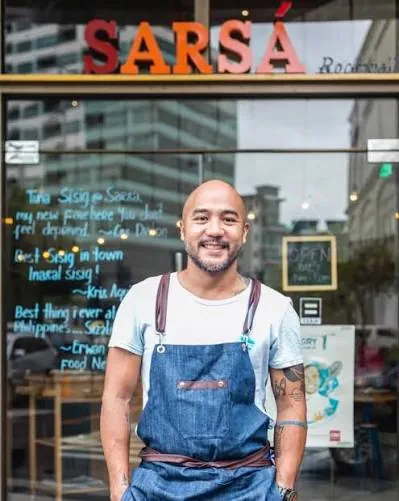
Brought Negrense cooking to Manila and made KBL mainstream. Bacolod's loudest ambassador.
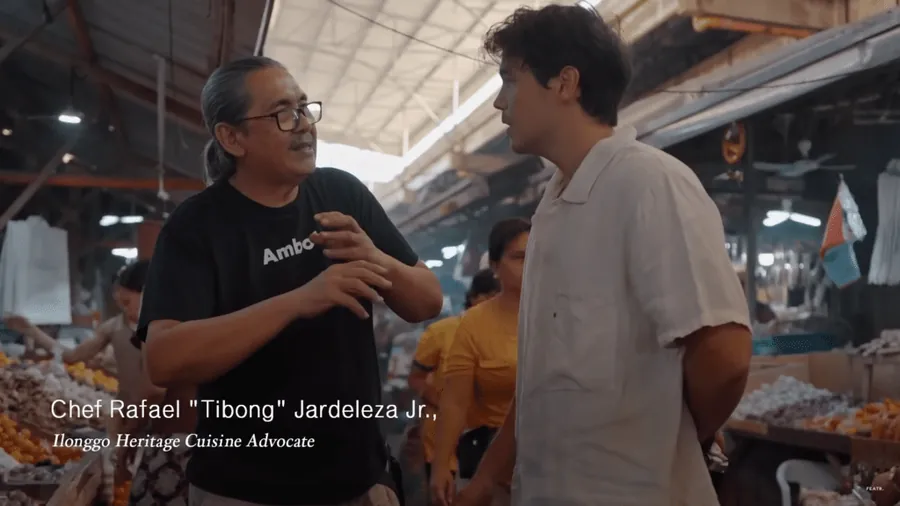
Built the case that made Iloilo a UNESCO city of gastronomy. Ilonggo food's chief architect.
STRATEGIC MATCHUP:
White Hat: JP Anglo | Sarsa Kitchen + Bar
- He literally brought Negrense cuisine to Manila. Sarsa made KBL mainstream.
- He IS the kadios guy.
- Natural advantage: He owns this ingredient culturally and commercially. Judges know his expertise.
- Vulnerability: Can he surprise anyone? Everyone expects him to be good with kadios. Where’s the innovation?
White Hat: Chef Tibong Jardeleza | Afrique’s and Café del Prado, Iloilo
- He’s Ilonggo. He grew up with kadios.
- He knows Visayan flavors at a molecular level: batchoy, molo, KBL, the whole canon.
- Natural advantage: Founded Sabores de Visayas and the Tabu-an heritage competition, and his advocacy fed the resolution that led to Iloilo becoming the country’s first UNESCO Creative City of Gastronomy. He has institutional weight of his own.
- Vulnerability: JP brought Negrense cuisine mainstream. Can Tibong prove Iloilo does it better?
THE TENSION:
Bacolod vs Iloilo. This is intra-Visayan warfare.
This is the one challenge where the hats stop meaning anything. Both men are White Hats. Both have institutions behind them. What’s left is Negros against Iloilo, which in the Visayas is older and hotter than any argument about Michelin.
JP will probably modernize KBL, perhaps deconstructed, or kadios as a component in a refined dish. Maybe kadios hummus, crispy pork belly, jackfruit confit. Comfort elevated.
Tibong will probably cook kadios in a traditional Ilonggo preparation, maybe a soulful KBL, or kadios in a soup application. Deep, rich, the way Iloilo has always done it.
What’s at stake:
- If JP wins: Confirms his status as Visayan cuisine ambassador.
- If Tibong wins: Iloilo takes the argument off Bacolod on the one ingredient Bacolod thought it owned.
Who wins? You decide.
CHALLENGE 5: The Mindanao Reckoning
FEATURED INGREDIENT: Pyanggang Spice Paste (Sulu/Tausug)
What it is: A burnt coconut paste from Tausug cuisine (Sulu). Made by toasting grated coconut until deeply browned (almost burnt), then grinding it with turmeric, ginger, garlic, shallots, and chili. The result is smoky, nutty, earthy, with turmeric’s golden color and coconut’s richness. Used to braise chicken, beef, or fish. The flavor is unlike anything in Luzon or Visayas cooking.
Cultural significance: Pyanggang represents Muslim Mindanao cuisine, which is vastly underrepresented in Manila. It’s Tausug heritage, distinct from broader Filipino cooking. This ingredient challenges Manila-centric palates and assumptions about what “Filipino food” is.
THE CHALLENGE: Cook anything with pyanggang spice paste. Show us your vision.
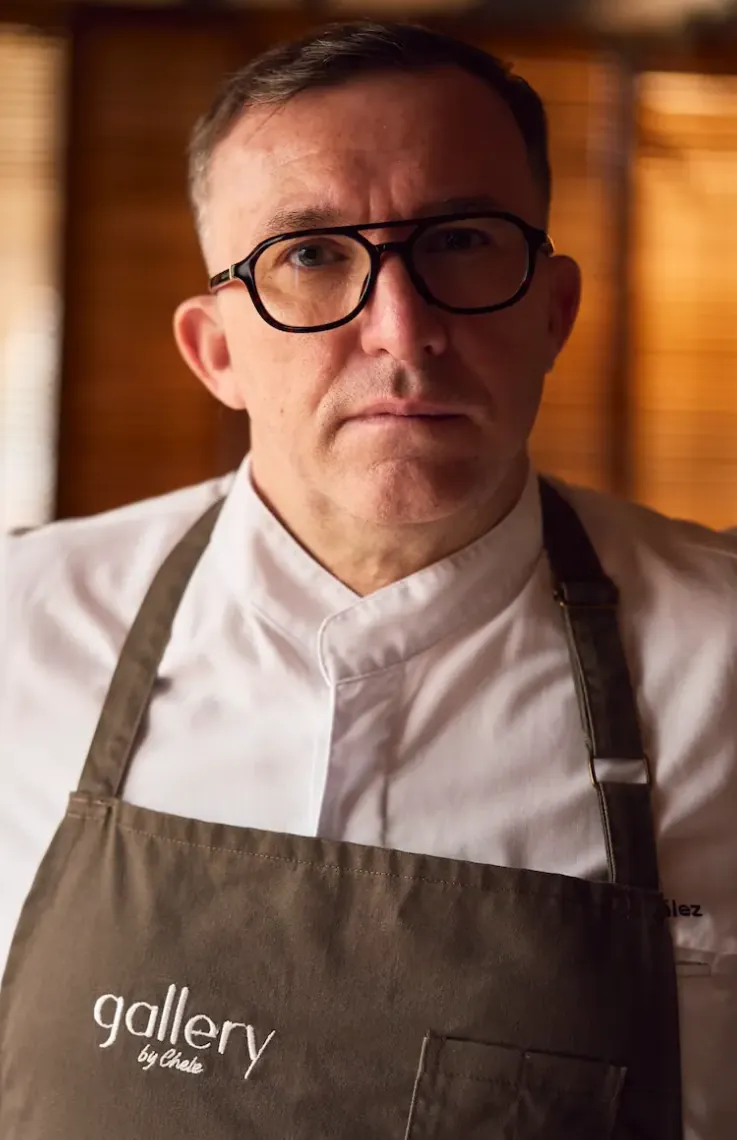
Career built on translation. Hand him an unfamiliar ingredient and he has a process for it.
Born in Jolo. First Tausug chef to hold a Michelin Bib Gourmand, and he took two in one night.
STRATEGIC MATCHUP:
White Hat: Chele González | Gallery by Chele
- Known for taking Filipino ingredients and translating them into fine dining
- Spanish technique meets Filipino soul
- Natural advantage: Can make unfamiliar ingredients accessible to Manila judges. Technical skill. Beautiful plating.
- Vulnerability: This is Muslim Mindanao cuisine. He’s a Spanish chef in Manila. Does he have the cultural authority to translate this ingredient?
Black Hat: Chef Miguel “Miggy” Cabel Moreno | Palm Grill (Diliman) and Cabel
- Born and raised in Jolo. This is not a regional specialty to him, it is the food of his childhood.
- Serves piyanggang manok on a menu he built specifically because Manila had erased it.
- Natural advantage: Cultural authority nobody else in the kitchen can borrow. He knows exactly how far to burn the coconut, and why.
- Vulnerability: He is the only person in the room the judges cannot check against a reference. That cuts both ways. If Erwan has never eaten proper piyanggang, authenticity scores nothing.
THE TENSION:
Manila Fine Dining vs Muslim Mindanao Heritage.
This is about representation. Manila chefs have ignored Muslim Mindanao cuisine for decades, and in October 2025 the Michelin Guide handed Moreno two Bib Gourmands in a single night, one for Palm Grill and one for Cabel, making him the first Tausug chef to hold the distinction. His own line about it: “It wasn’t just my story being told. It was the story of those who came long before us.”
Chele will probably deconstruct pyanggang, perhaps use the burnt coconut paste as a sauce base, paired with refined protein, plated elegantly. Think: duck breast with pyanggang emulsion, turmeric oil, coconut foam.
Moreno will probably cook it the way Jolo cooks it. Chicken braised in the paste until the sauce goes black, rice, nothing hiding. He has spent eight years arguing that this food does not need translating.
What’s at stake:
- If Chele wins: Technical skill and refinement triumph.
- If Moreno wins: Representation matters. Muslim Mindanao cuisine deserves respect on its own terms.
Who wins? You decide.
CHALLENGE 6: The Ultimate Class War
FEATURED INGREDIENT: Pares (Beef Stew)
No exotic ingredient. Just humble street food.
What it is: Pares literally means “pair”: braised beef short ribs in a sweet-savory soy-based sauce, served with garlic fried rice and soup. It’s Manila street food. 24-hour carinderia staples. The food of late-night taxi drivers and construction workers. Cheap, accessible, comforting. Nothing fancy.
Cultural significance: Pares represents the masses. It’s the food that White Hats probably never cook. It’s what Black Hats grew up eating. This challenge strips away exotic ingredients and asks: Can you cook the food Filipinos actually eat every day?
THE CHALLENGE: Cook pares. Your interpretation. Show us your vision.
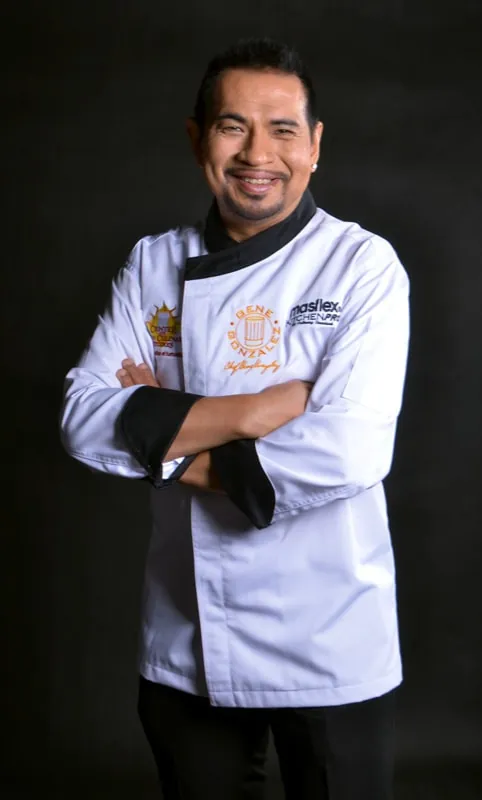
Trained half of Manila. Institutional power, encyclopedic knowledge, total command.
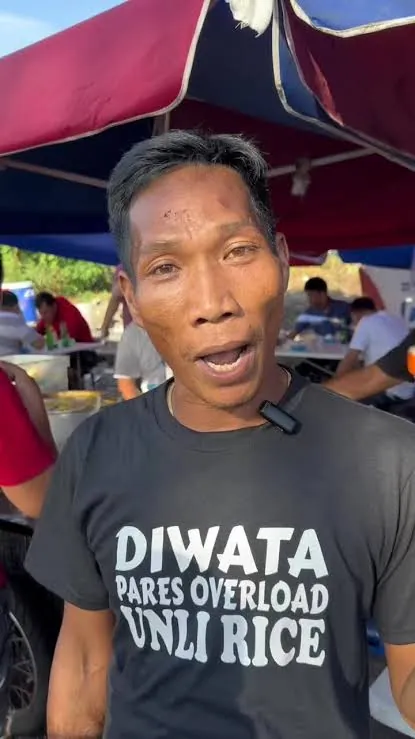
Ten thousand servings on Manila streets. This dish is not a challenge to him, it is his life.
STRATEGIC MATCHUP:
White Hat: Gene Gonzalez | Founder, Center for Asian Culinary Studies
- The ultimate authority figure. Trained half the Manila chefs.
- Represents culinary education, formal technique, institutional power.
- Natural advantage: Encyclopedic knowledge. Can execute any dish at the highest level. Commands respect.
- Vulnerability: Has he ever actually cooked at a pares carinderia? Does he understand the soul of street food, or just the technique?
Black Hat: Deo “Diwata” Balbuena | Viral Pares Vendor
- He IS pares. This is literally his dish.
- He’s cooked thousands of servings on Manila streets.
- Natural advantage: Cultural authority on this dish. Speed. Flavor. He knows what makes pares WORK. This is his moment.
- Vulnerability: Can street food plating compete with Gene’s fine dining refinement?
THE TENSION:
The Ultimate Class War.
The godfather of culinary education vs the street vendor who went viral. Formal training vs hustle. Who can better cook the food of the masses?
Gene will probably elevate pares, perhaps sous vide beef short ribs, refined sauce, elegant plating with heirloom rice, clear consommé. Technique, technique, technique.
Diwata will probably cook pares the way he’s always cooked it, soulful, flavorful, the way street food should be. Maybe some tweaks for presentation, but fundamentally: this is HIS domain.
What’s at stake:
- If Gene wins: Technique and education triumph. The message: Formal training makes everything better, even street food.
- If Diwata wins: THE UPSET. The message: Street food belongs to the streets. You can’t teach soul. This would be the most emotional moment of the entire competition.
Who wins? You decide.
THE BATTLEFIELD IS SET
Six challenges. Each one tests a different dimension of Filipino cooking:
- Filipino Canon — Can you honor classics while proving mastery?
- Fermentation — Technique vs Soul (Pampanga)
- Highland — French Technique vs Regional Mastery (Cordillera)
- Visayan — Regional rivalry, commercial vs grassroots (Visayas)
- Mindanao — Representation and cultural authority (Sulu/Tausug)
- Class War — Street food vs fine dining (Manila)
From north to south. From technique to soul. From innovation to preservation. From the familiar to the forgotten.
Next week: Part 3. Dark horses, strategic predictions, and the question this entire competition is built to answer: What matters more in Filipino cooking, precision or heart?
Which challenges would you most want to see? Which matchups would produce the best drama? Drop your thoughts in the comments.

The Government Wants to Reduce Plastic; the Private Sector Was Left to Figure It Out.
RA 9003 promised a recycling system in 2000 and never funded it. RA 11898 handed the same job to companies in 2022, with fines up to ₱20 million attached.
Read more →
Culinary Class Wars: Philippines — Dark Horses and Predictions
Who goes further than anyone expects, who cracks, and my actual call on how this ends. Part 3 of 3.
Read more →
More Stressed Than Singapore
The Philippines just topped Southeast Asia in workplace stress, ahead of a country where workers earn several times what we do. A lot of that is our own doing. Some of it we keep calling dedication.
Read more →
Alex Eala Doesn't Owe Us Anything
But she showed up anyway.
Read more →