More Stressed Than Singapore
The Philippines just topped Southeast Asia in workplace stress, ahead of a country where workers earn several times what we do. A lot of that is our own doing. Some of it we keep calling dedication.

Half of Filipino workers said they felt stressed “a lot of the day.” That’s the finding from Gallup’s latest State of the Global Workplace report, and it puts the Philippines at the top of Southeast Asia at 50%. The regional average is 25%. The global average is 40%. We’re not a little above the line. We’re double the neighborhood and ten points past the world.

50% is bad enough. But the number that should actually stop you is the one sitting right under it. That’s Singapore, in second place, at 43%.
Sit with that for a second. Singapore. The median worker there takes home somewhere in the range of five to six thousand Singapore dollars a month. Depending on which measure you use, that’s roughly seven to ten times what the median Filipino worker earns. First-world salaries, first-world infrastructure, a train that comes when it says it will, a currency that doesn’t flinch. And their workers are less stressed than ours.
We’re out-stressing the richest workforce in the region on a fraction of the pay.

So whatever this stress is buying us, it isn’t a Singaporean paycheck. It isn’t a Singaporean economy. We’re paying first-world stress prices on a developing-country salary, and we’ve somehow made peace with the exchange rate.
A lot of this is our own doing. Financial strain sits at the top of almost every survey, a family whose money runs out before the 15th will be inherently stressed. Scope creep is not a common term, but is a common phenomenon: employees work the job of several people while keeping the pay of just one. Job insecurity. Managers who confuse being present with being productive.
A DOLE labor institute study found 72% of workers reporting stress at least twice a week, and the triggers were the obvious ones: heavier loads, money, tight deadlines, long hours, friction with the people beside them. None of that is the worker’s fault. You can’t self-care your way out of a salary that’s gone by the twentieth.
The same Gallup report says Filipinos are also among the most engaged workers in Southeast Asia at 39%. We’re near the top of the region in stress, in sadness, in anger, and we’re near the top in engagement too. Most stressed and most willing. A very Filipino combination. Willing magpa-api.
I’ve spent more than twenty years in Filipino offices, and that doesn’t surprise me at all. We’ve built a work culture that treats being consumed by your job as a virtue. Walang uwian gets said with pride. “Masipag yan” is one of the highest things you can say about a person here. The one who answers the group chat at eleven at night, who takes the extra account nobody has bandwidth for, who hasn’t filed a leave in two years, that’s the model employee. We call it dedication. We call it pakikisama. We hand them the plaque.
They also might be the ones who are burning out the fastest.
That sounds so typically Filipino: the martyr worker. The one who sacrifices, who endures, who gives more than the job pays for. It’s flattering. It feels noble. It’s also enormously convenient for anyone who benefits from you never asking to be paid for the second and third jobs you’re doing for free.
I’ve been there! Multiple times in my career. I told myself it was for career progression. But the truth is, sometimes the reward for good work is more work. While other people have what’s called “learned incompetence.”
So we top the chart. 50%, first in the region, ahead of workers earning many times what we take home. And when a number like this comes out, a big part of the reaction is a strange kind of pride. Grabe talaga ang kaya nating tiisin. Look how much we can carry. “The Filipino is so resilient.”
That word keeps showing itself: tiis. We’ve turned endurance into a personality, and a workforce that endures is a workforce nobody has to pay or protect properly, because it’ll keep showing up either way.
We already know we work hard. That was never the question. The number climbing is the answer to a different one, which is what all that willingness is costing us. 45% in 2022, 50% now. That line only moves in one direction, and we keep calling it dedication.
I’ve worked with global teams before, and after a while I realized something: Filipinos can really compete globally. You could argue we’re scrappier, more creative, easier to work with. We can be some of the best in the world. What really separates us is education, experience, and access.
I hope that one day, Filipinos aren’t just known as “good workers” because we just “get the job done.” It gets the bills paid, sure. But that’s a third-world mindset. I’d rather we be known for our leadership, our creativity, our ability to communicate. Not “masipag,” “dedicated,” “mura.”
The world is unfair, but we do what we do. Let us raise our voices when change is possible.

How Do You Change Someone's Mind? Tell Them You Heard Them First
If you've been following the impeachment trial, you've heard it a hundred times. Someone raises a point, and Presiding Officer Chiz Escudero answers, "Duly noted."
Read more →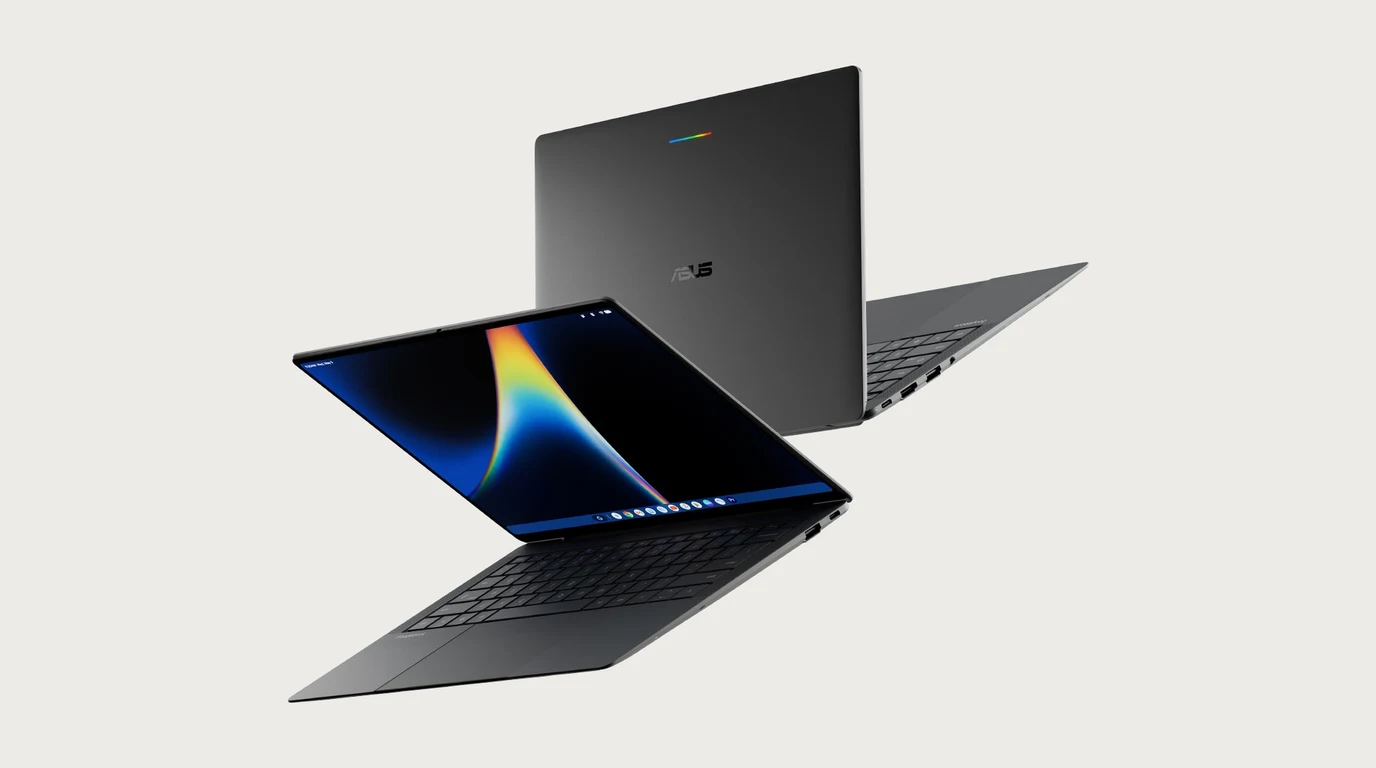
I bought a Windows laptop last year. If I were buying now, my Android phone would talk me into a Googlebook.
Google's premium laptop is no longer a Chromebook. It's an Android laptop built around the phone you already own, and ten features would have made me buy one.
Read more →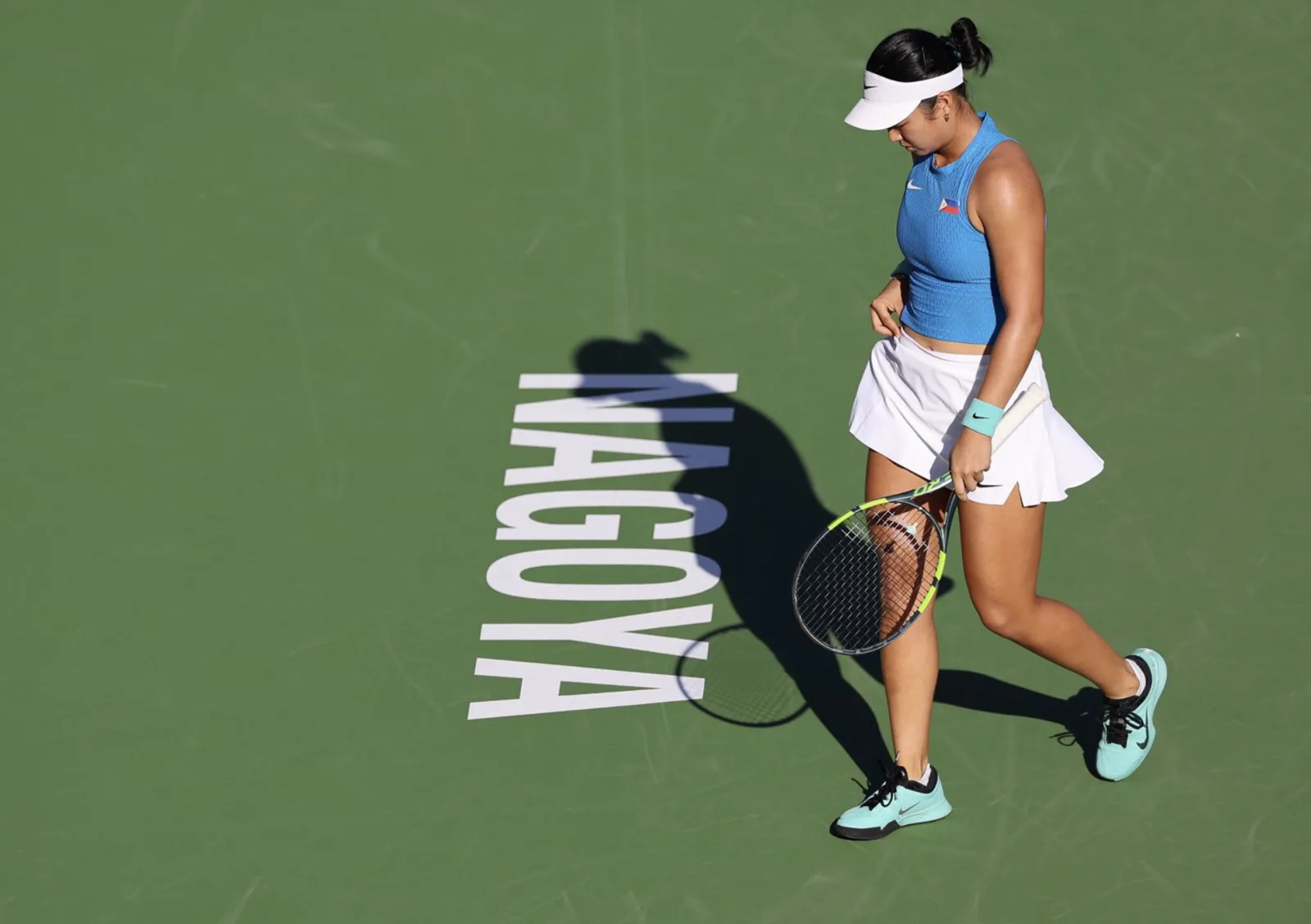
Alex Eala Doesn't Owe Us Anything
But she showed up anyway.
Read more →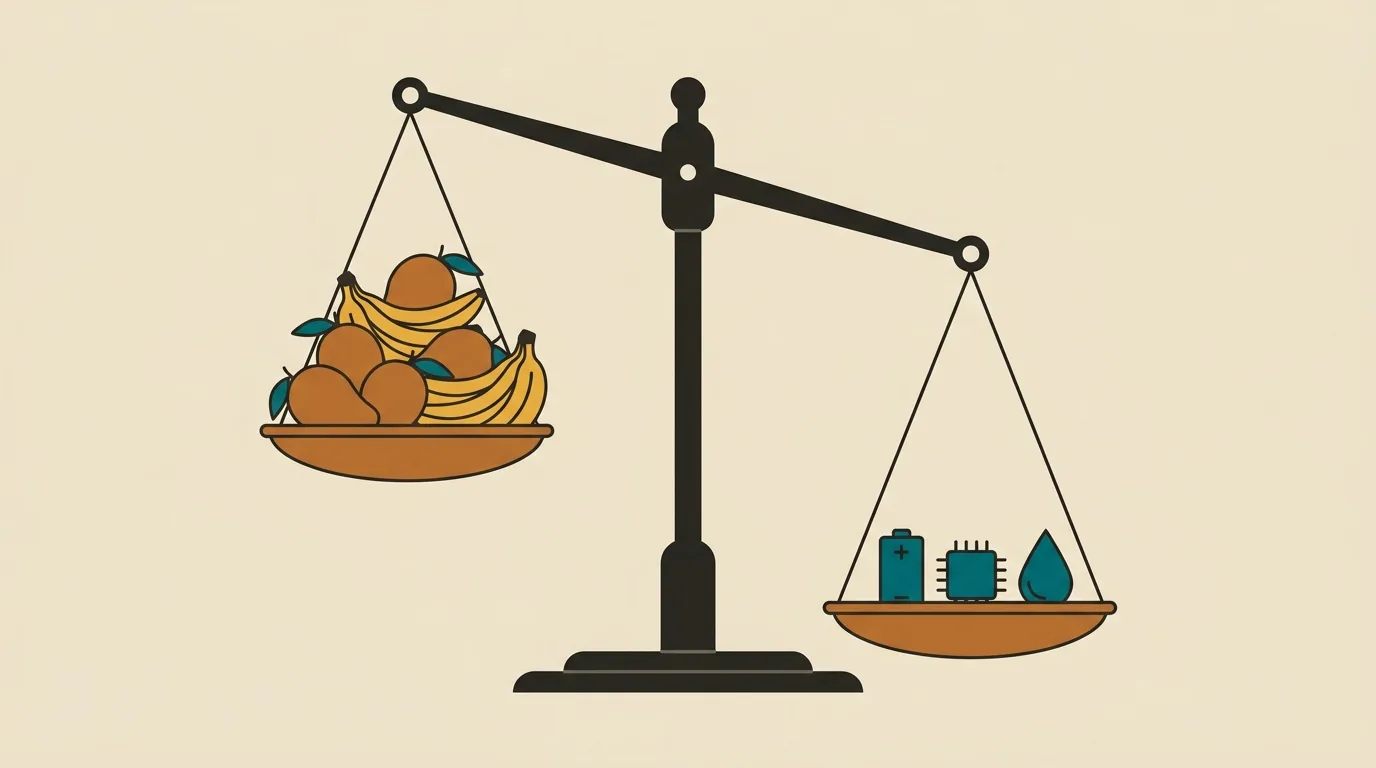
What does the world need from the Philippines? Right now, nothing it can't get somewhere else.
China refines 91% of the world's rare earths. Taiwan makes over 90% of its most advanced chips. We import 98% of our garlic and ship our nickel out as raw ore. What could the Philippines own that the world can't do without?
Read more →