I Closed the Book Too Early
A few months ago I wrote LeBron off. Now the entire NBA is frozen, waiting on one 41-year-old to decide where he plays. That is what owning the narrative looks like, and why relevance is the only real leverage.
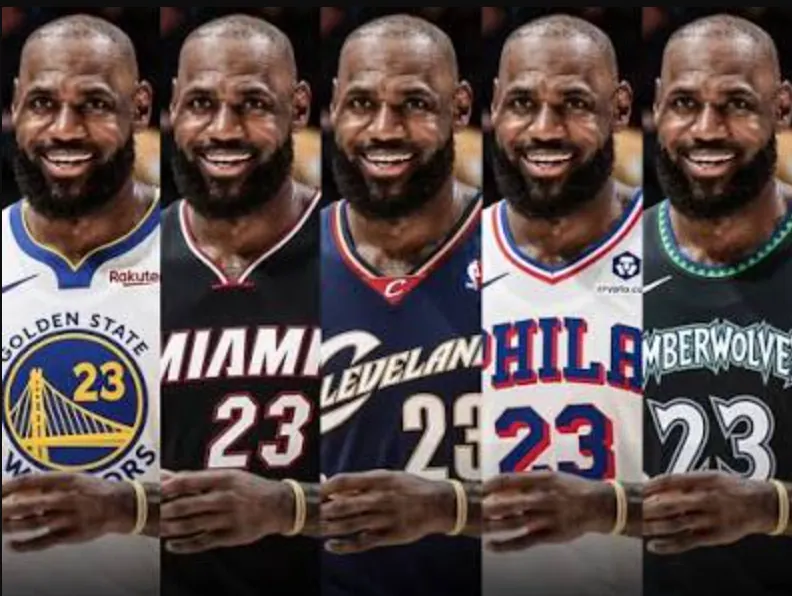
A few months ago, I said LeBron was done.
I had my reasons. His Lakers got knocked out by the Thunder, the defending champs, a team whose average age was 25 when they won it all, the second-youngest champion in NBA history. This year’s Finals came down to two more young cores, Wembanyama’s Spurs and Brunson’s Knicks, and the Knicks won their first title in 53 years. Wembanyama is 22. Everywhere I looked in those playoffs, there were no old superstars left standing. So I called it, the way a lot of people did. Year 23, the league had moved on, his time was over.
Then came year 24. He’s 41. And every single team in the NBA is trying to get him.
Not just interested. Recruiting. Building pitches, clearing money, making room. And LeBron hasn’t said a word about where he’s going. He’s sitting on the decision, and the whole league is stuck behind him. The commissioner is publicly asking him to hurry up, because the NBA can’t finalize next season’s schedule until they know. They can’t even lock the Christmas games, the biggest TV day of the year, without knowing which jersey LeBron is wearing.
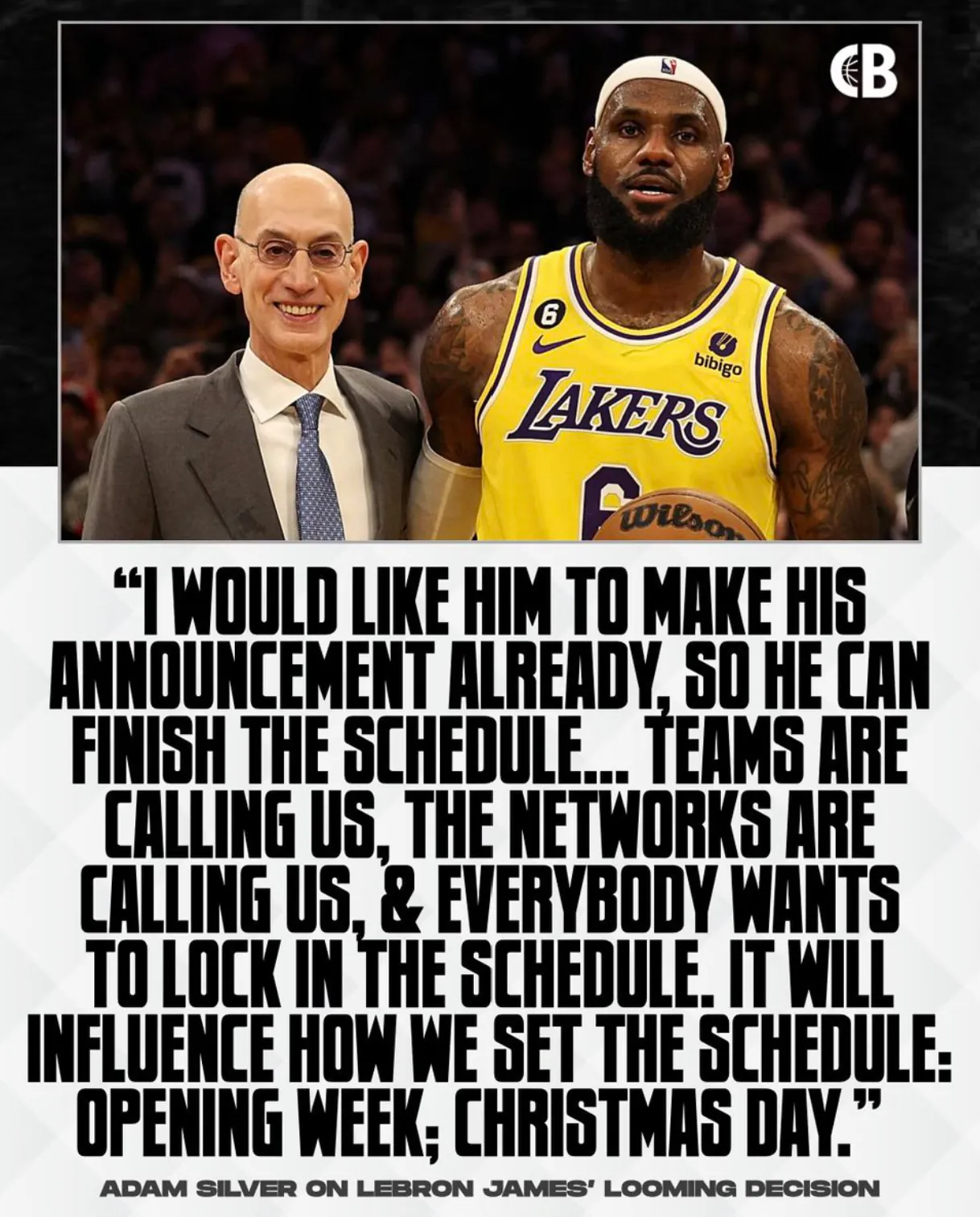
Sit with that. A 41-year-old in his 24th year, coming off a season where people like me wrote his ending, is now holding the entire league’s calendar hostage. The most powerful sports league in the world is waiting on one guy to make up his mind.
There’s an irony in this. He became a villain 16 years ago for “The Decision,” the TV special where he announced he was taking his talents to Miami and half the country turned on him for it. Sixteen years later we’re all waiting on his decision again, and I don’t think anyone would mind if he just got on with it already. They won’t do it the same way, obviously. But the guy who got crucified for controlling his own story is now the one everyone needs to hear from before they can plan anything.
That is what owning the narrative looks like.
Sometimes the truth matters less than the narrative. The truth is that LeBron is 41 and past his prime. The narrative is that he’s still the most important man in the league. Both are running at the same time, and the narrative is the one bending everyone’s summer around him.
The truth was never one-sided anyway. There can be more than one version of it. Two or three things can contradict each other and all still be true. LeBron is past his prime, and he’s the most wanted free agent in the game. Both true. Amazon lost money quarter after quarter for years while the market treated it as one of the most valuable companies alive. VHS was the weaker format and still buried Betamax, because it won the story people told about it. On most teams you’ve been on, the most skilled person and the most indispensable person were not the same person.
Your story gets written by whether people still need you in the room. One loss doesn’t get to write the ending. I was ready to close the book on LeBron off one series, and I was wrong. He didn’t get any younger. But I was asking the wrong thing. The question was never whether he lost a series. Could the league move on without him? It can’t.
It works the same way for the rest of us, whatever we do. When you lose a pitch, a client, a promotion, a bad quarter, the instinct is to go quiet and let it settle. That’s exactly when other people start writing your ending for you. Silence is an open invitation for someone else to decide what your loss meant. LeBron never argued with anyone about being finished. He didn’t need to. He made himself the one variable nobody could plan around, and let that do the talking.
Relevance is leverage. When everyone has to wait on your decision, you set the tempo, not them. The person or the brand that still has options, the one everyone wants, sets the terms. Everybody else schedules around you.
He’s objectively not the best player in the league anymore. It doesn’t change a thing. He kept himself indispensable enough that “best” stopped being the deciding question. In a career, in a business, that’s the spot you want. Being the one the whole room has to account for before it moves, even when you’re not the loudest or the youngest anymore.
I closed the book too early. He was still writing it.

The Position Is Not the Person
I ran into a former leader in a mall. Someone from a company I used to work with. I made sure I said hi. I went out of my way, I made sure he saw me, I did the whole thing. Then I walked away and felt the ick.
Read more →
Communication Can Outrun Intelligence
One of the most valuable skills in business, and the same skill can march a company off a cliff. Both are true.
Read more →
Develop Your People Anyway
The CFO's question is real. So is the CEO's answer. Twenty years on both sides of the training budget taught me which fear to respect.
Read more →
What does the world need from the Philippines? Right now, nothing it can't get somewhere else.
China refines 91% of the world's rare earths. Taiwan makes over 90% of its most advanced chips. We import 98% of our garlic and ship our nickel out as raw ore. What could the Philippines own that the world can't do without?
Read more →