The Resurgence & Inconvenience of Vinyl (and why I'm getting into it)
From the archive. Originally published on migmol.com on 2019-01-27, recovered and republished here in 2026 at its original address. Unedited except for formatting.
Have you ever had music move you to your core? And I’m not talking about just lyrics or the song meaning, but the music as a whole. This album did it for me.
I was in field sales covering the whole of Central Luzon in 2007 and decided to set up my car’s sound system. It was pretty basic: separates, mids, and a sub, but they made those long highway drives really enjoyable. There were times I’d listen to music in the car just because it was the best way to listen to music.
It was during this time when I happened to listen to Radiohead’s In Rainbows album. I was blown away. The production and mastery were unlike anything I had heard before. The melody, the instrumentation, the emotion. I was still on Twitter during that time and I had my share of raving about how ‘eargasmic’ the album was. It was unbelievable.
Around Christmas last year, I happened to come across a post by a kid in the Radiohead subreddit where he got a vinyl record of In Rainbows for Christmas. It stopped me in my tracks. I had flashbacks to those days in the late 2000s when I first experienced musical bliss. Why didn’t I have that in my life anymore?
I immediately started researching for the best hi-fi system I could come up with and one month later, here we are.
I really just wanted to post a photo on social media to share how profoundly happy I am to be able to listen to my favorite album on a proper high fidelity system in my flat, but there was more to be said.
Why vinyl though?
The last Consumer Electronics Show (CES) in Las Vegas had a lot of companies debuting turntables. Vinyl is going through a resurgence driven by a generation that didn’t even buy CDs. Technically speaking, the storage capacity of compact discs beat out any other popular format and delivers the most lossless sound.
Convenience and portability have been driving the changes in music consumption through the years. Cassette tapes followed vinyl records (and 8-tracks). CDs became popular because of their improved sound quality but also gave convenience in the ability to skip to or repeat a track instantaneously. The digitization eventually led to MP3s, compression, and now we are in the age of streaming.
I have been browsing some forums on hi-fi and have come across much older people who are in disbelief that vinyl is making a comeback. Their memories of vinyl include the inconveniences of using the medium: cleaning the records, making sure the turntable is balanced, the cumbersome size of the LPs, badly pressed records, etc. Those are all still true now.
So why go back to arguably the most inconvenient music format?
The answer for me is presence.
In a digitally interconnected world where almost everything is at our fingertips, on-demand and multi-tasking are the norms. That’s a good thing. I’m never going to be a neighsayer against progress. But like everything in life, too much of anything can lead to abuse.
In the past few years, as social media drove the whole of humanity into the most digitally embedded it has ever been, there has been a lot of push for disconnecting. I for one hate when you meet with friends and everyone is just on their mobile phones. Facebook, Instagram, and YouTube now have features to try to curb online addiction. There are apps that track how much time you spend on your phone and remind you to put it down. There is a very real pushback against humans getting addicted to the fruits of technology and that’s where we sit with vinyl.
Two mindsets that have been gaining popularity in the past few years are essentialism and KonMari. In both philosophies, you focus on the things that matter by giving them more time and prioritizing them. In a world where we tend to consume more with minimal effort, there have been movements that invite us to take a step back and consider the quality of what we consume. Likewise, other movements also ask us to ‘be in the moment’ or ‘truly be present’. And so this applies to consuming music as well.
A few years back a friend of mine brought up that very few people sit down and listen to music anymore. We grew up in the age of cassettes and CDs and for some part, didn’t even have portable music devices. So in our ‘formative musical years’, especially during the cassette days, you would really listen sit down and listen to a whole album. It was an experience by itself: you would peruse the album art (remember those Guns & Roses ones with the mirrors), reflect on the lyrics, and try to dissect hidden meanings in the other notes from the band. It was an experience by itself. There was no multi-tasking: it was just you basking in the music.
[image: liner note insert, “TIL Nigel Godrich has been producing all of Radiohead’s albums since OK Computer (1997)”]
That’s why inconvenience works for me. The inconvenience of vinyl demands that I take time to sit down and really listen to the music. The inconvenience of handling cumbersome 12-inch LPs, which are more expensive than CDs or streaming, means that I have to meticulously pick the albums I buy. If you are willing to sacrifice time, money, and convenience, which all hold high currency these days, it shows that you really value something.
I have many playlists on Spotify (check out #migxtape, the monthly one) but to have a physical record I can hold, keep, damage, or lose means that I value certain artists and their music to a higher degree. If you graduate from my Spotify to vinyl, then you have more relevance in my life. Plus, if someone happens to stop by my flat, you can browse through my collection, without having my intimate keeper of secrets in your hands. There is a physical manifestation of the music that I love.
From a hi-fi point-of-view, vinyl is not the ultimate format. From a practical point-of-view, vinyl is the least convenient medium. From a financial point-of-view, it is the most expensive. But I guess from a traditionally romantic and definitely emotionally rewarding point-of-view, the analog soul still has a place in our very digital world.
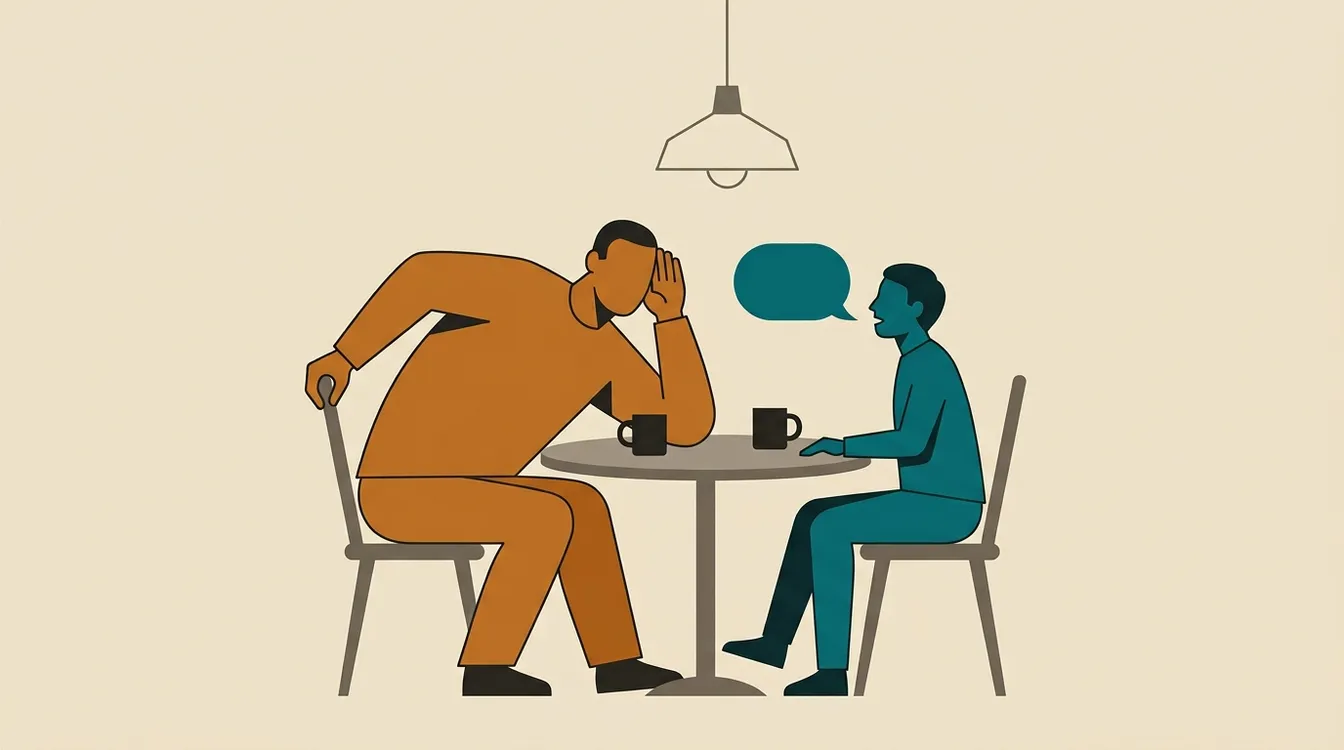
How Do You Change Someone's Mind? Tell Them You Heard Them First
If you've been following the impeachment trial, you've heard it a hundred times. Someone raises a point, and Presiding Officer Chiz Escudero answers, "Duly noted."
Read more →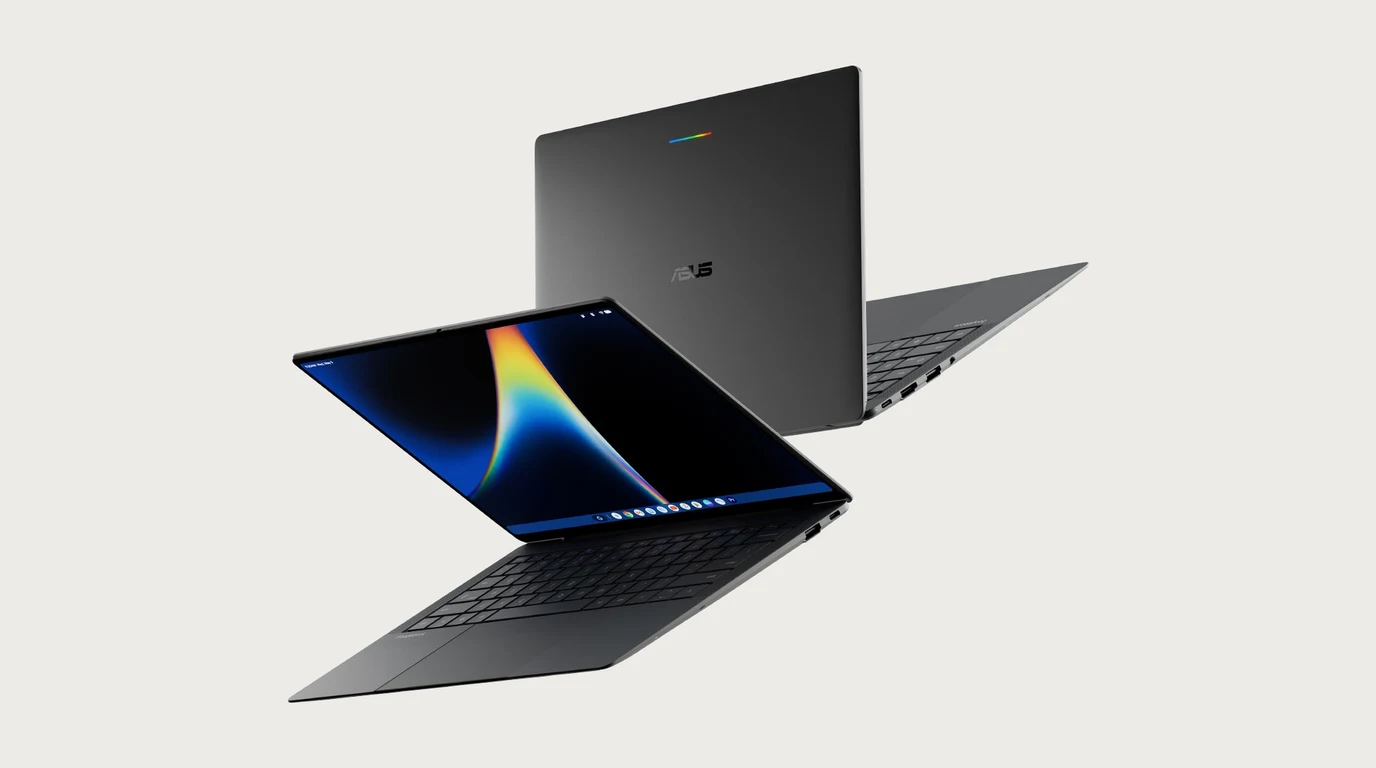
I bought a Windows laptop last year. If I were buying now, my Android phone would talk me into a Googlebook.
Google's premium laptop is no longer a Chromebook. It's an Android laptop built around the phone you already own, and ten features would have made me buy one.
Read more →
Alex Eala Doesn't Owe Us Anything
But she showed up anyway.
Read more →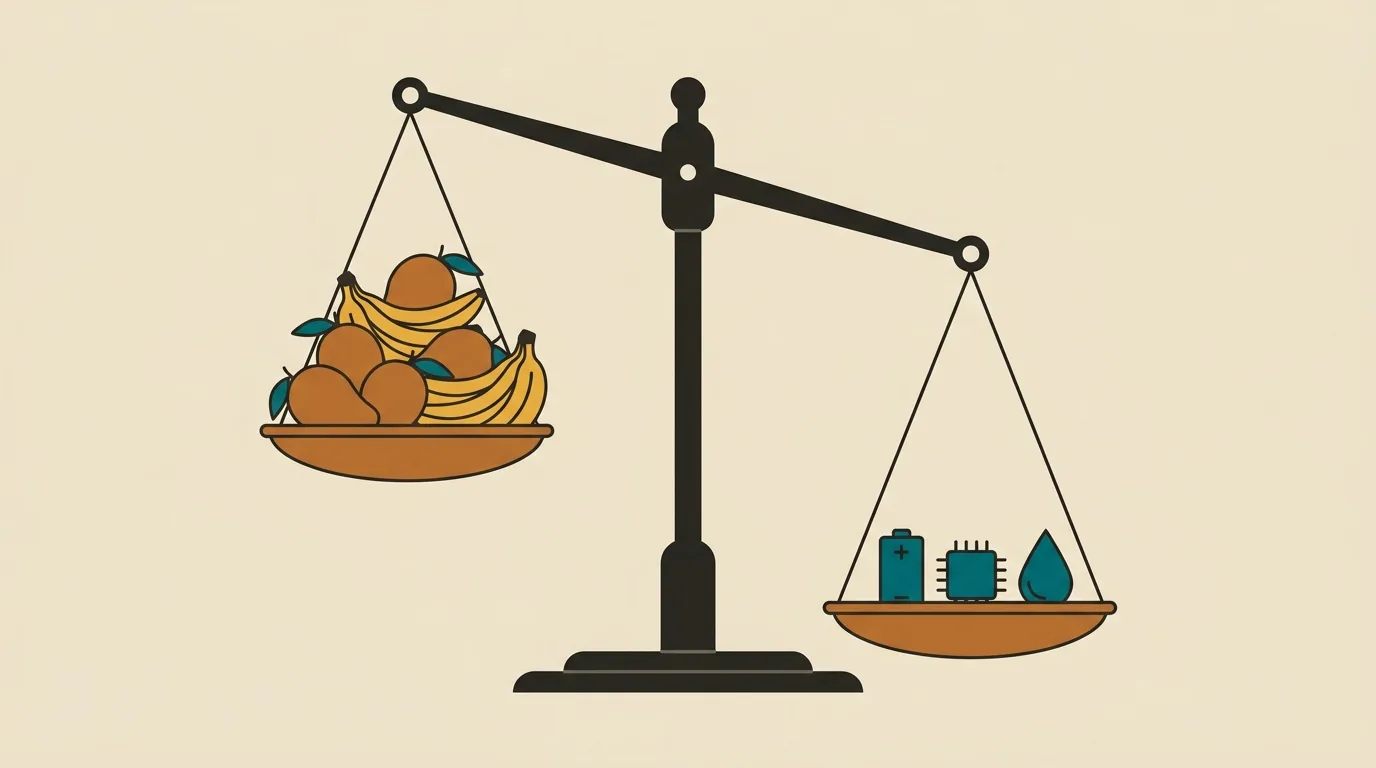
What does the world need from the Philippines? Right now, nothing it can't get somewhere else.
China refines 91% of the world's rare earths. Taiwan makes over 90% of its most advanced chips. We import 98% of our garlic and ship our nickel out as raw ore. What could the Philippines own that the world can't do without?
Read more →