Sisyphus, Floating
At some point, I made a promise to myself that I would always go to the beach on my birthday, and this year is no exception. I’m not sure exactly when it started, but I think I had already met my wife. We had promised each other a trip every quarter, and the fourth-quarter trip just happened to land on my birthday. So here we are. I turn another set of arbitrary numbers, like numbers on an odometer, and after a while, the numbers lose their meaning.
We still celebrate the milestones. Oh, it’s your 40th. Oh, it’s your 50th. Birthdays used to mean we were allowed more things, each one a rite of passage: at 13 you’re no longer a kid, and at 18 you’re an adult who can vote and legally drink. Past 30, the years all seem to meld together. Somewhere along the way, 30 became the new 40, the age by which you were supposed to have proven something. There are 30 Under 30 lists that celebrate people who have somehow already made something of their lives in their 20s. While most of us are still figuring out who we are and how we fit in the world, a few have already left a mark big enough to make a list, and there are only 30 names per category. The 31st most significant person under 30 doesn’t even cut it.
Birthdays also make you look back. Your 20s are fun, and confusing, but mostly fun. There’s fun in discovery, in trying things and figuring things out. What is my image? Does this work? Do I fit in? Can I reinvent myself? Your 20s are also your physical peak, and you literally feel like you can conquer the world. You start a dozen hobbies (hiking, climbing, HYROX, mountain biking, marathons), because this is the time to prove that you’re something, or someone, while your body is in its prime. Some people pour that energy into their bodies, others try to find themselves in their careers, and some do both at the same time (surely those are the ones who make the list).
In your 30s, you’re still playing the cards you are dealt. You’re unique, you tell yourself. Through trial and error, you learn how the system works: there is politics, there is luck, and it’s who you know more than what you know. You’re sure you have a million-dollar idea (I’m still sure of it now), but ideas are cheap, and the people who act on them need capital. Never mind if the ones with the capital are simpletons, Rolex-clad, with cars that cost more than your home. Life is unfair, and your ideas can only get you so far.
You remember your mother telling you, all those years back, to put your head down and do the work and you will be rewarded. In my 30s, I disagreed with her, because you had to go the extra mile, stick your neck out, be the best, and compete against everyone for the recognition, the promotion, and the perks. In my 40s, I realize that none of those matter. She was right, but for a different reason.
The ladder, the chase, the recognition, none of it is real, and the corporate rush is imaginary. Why is your nervous system on edge over a deadline that doesn’t exist in the physical world? Go through the wringer long enough and you learn that most of the stress people in their 20s and 30s carry at work is set on a whim.
I used to work for a multinational, and every time the head office in Europe said something, we all tried to figure out what was said and what wasn’t. In my 30s, I finally got to work at headquarters, and I saw the truth. These people were living the life. They kept great hours. They had no real KPIs, or at least none that were theirs alone. They worked by the lake and daydreamed, and every now and then someone had a brilliant idea and told the markets. Was it important? Maybe. Was it life or death? Probably not.
That’s what your 40s show you, the absurdity of it all. So much of life before was a race, where arriving strong, getting there fast, and being the best mattered more than anything. Then in your 40s you reach the finish line and realize the destination is just a concept, one you didn’t even choose for yourself, but chased one way or another anyway.
So every year, I go back to the water.
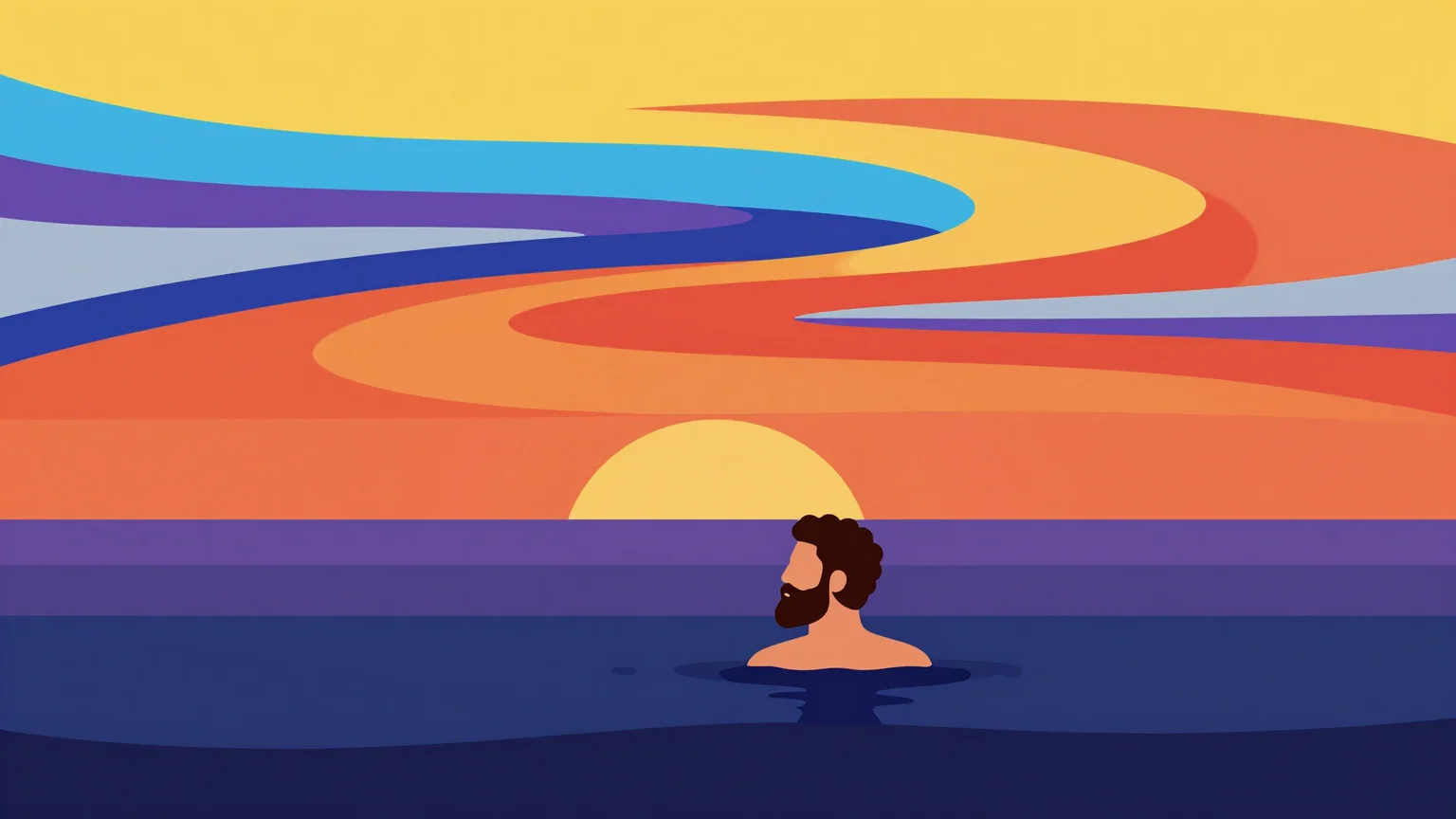
I am bobbing as the sun sets, alone in the water, with miles of nothing in front of me. A part of me remembers the line, “A ship in harbor is safe, but that is not what ships are built for.” But I am no ship. Thalassophobia is real, and sharks are only a small part of it. It’s everything we don’t know, the depth, the breadth, the inconceivable void. And this is only a bay. I’m not even in front of an ocean, yet the feeling remains: I am nothing, an insignificant speck in the grandness of everything. And the why of everything is probably just random too. This is what I want to feel every year on my arbitrary day of celebrating one more trip around the sun: I am insignificant and inconsequential.
At the same time, I am wrapped in salt water. A part of me wants to believe that the salt is healing. My brain wants to disagree. Salt dehydrates. It flavors. How exactly does it heal? At least the salt water hydrates? Anyway, it just feels good. Maybe the comfort comes from some unconscious memory from the womb, the immersion a reminder of life before birth, which is quite fitting for a birthday tradition. Whatever it is, it feels good. Floating in water is like floating in space, weightless, settled the way an astronaut is settled in a vacuum. The world of the atom isn’t so different from the vastness of space either, each atom its own tiny solar system, as if the small and the big were the same.
And then the sky turns: the bluest blues, every shade between yellow and red, grays and purples, a swirl of color only a great painter could make. I am awestruck. How does this exist in all this random nothingness? It just does. It just is.
There are moments without time, when you exist outside of space, when you are simply existing, just being. Perhaps at some point we realize that this is all there is to life. We just are, until we are nothing. The nothingness and the grandness turn out to be the same. But we feel, we live, and we experience. We try and fail, we push and get swept away, and we push anyway.
Albert Camus wrote about Sisyphus, the man the gods condemned to push a boulder up a mountain for eternity, only to watch it roll back down every time. Camus thought the struggle itself was enough to fill a man’s heart. “One must imagine Sisyphus happy.”
In a few days, it’s back to the “real world,” as if my time in the sand by the water isn’t real. And though the existential musings made themselves present (the loss of meaning, the nothingness, the everything), on Monday there will still be bills to pay and work to be done. We will push the boulder up the hill again, all the same. My mother was right after all, just not about the reward.
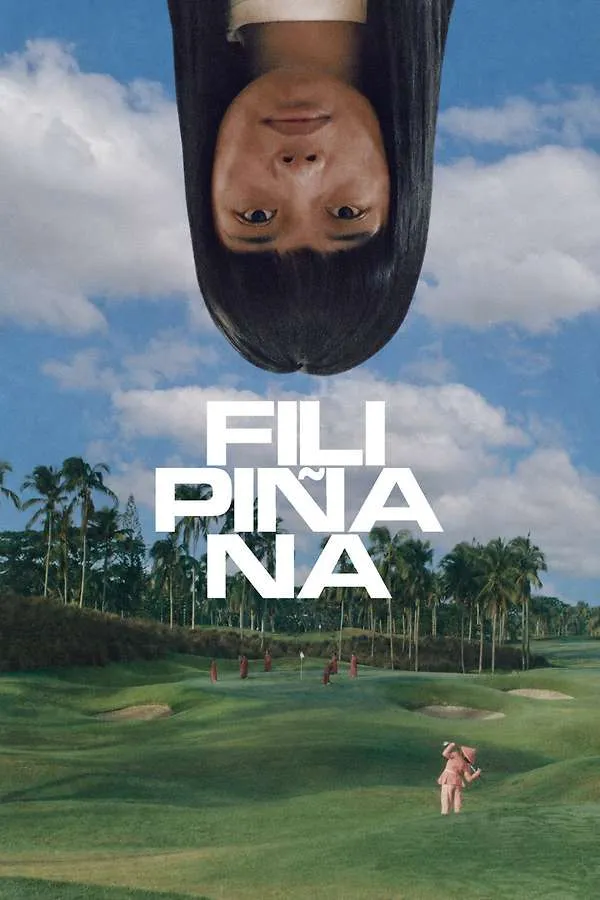
Filipiñana (2026) No Spoiler Review: A Beautiful Film That Doesn't Need a Complicated Plot
Rafael Manuel's first feature is slow, weird at first, and beautifully shot, and it justifies its simple premise.
Read more →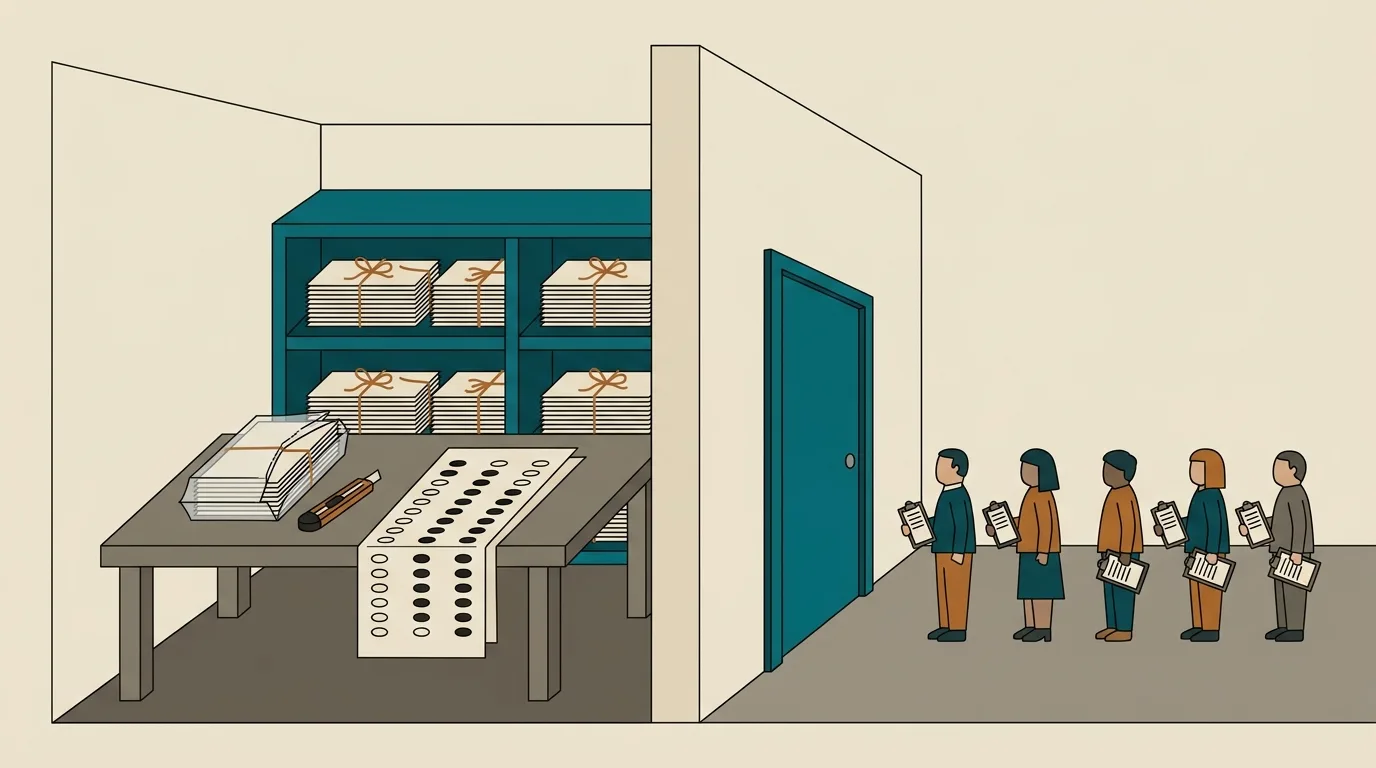
16,563 Ballots Were Shaded Before Anyone Voted
Nobody had to break a rule to reach the pre-shaded ballots in Maluso. The rule put them there. The Omnibus Election Code was written two months before EDSA, and Comelec's 963-page fix is still waiting.
Read more →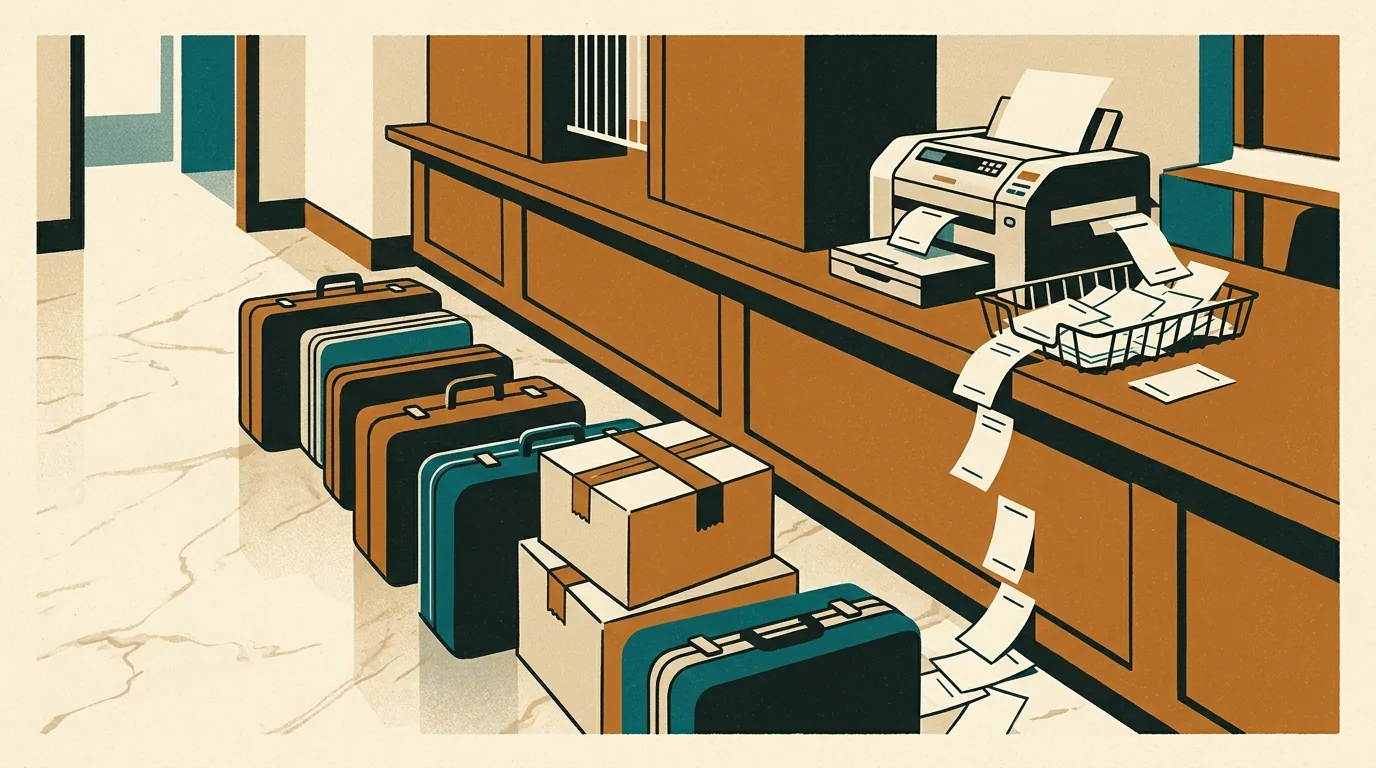
₱457 Million in Cash, and Nobody Asked
The bank filed the report. The AMLC said it had too many to read. Part 4 of 4 on anti-corruption with teeth.
Read more →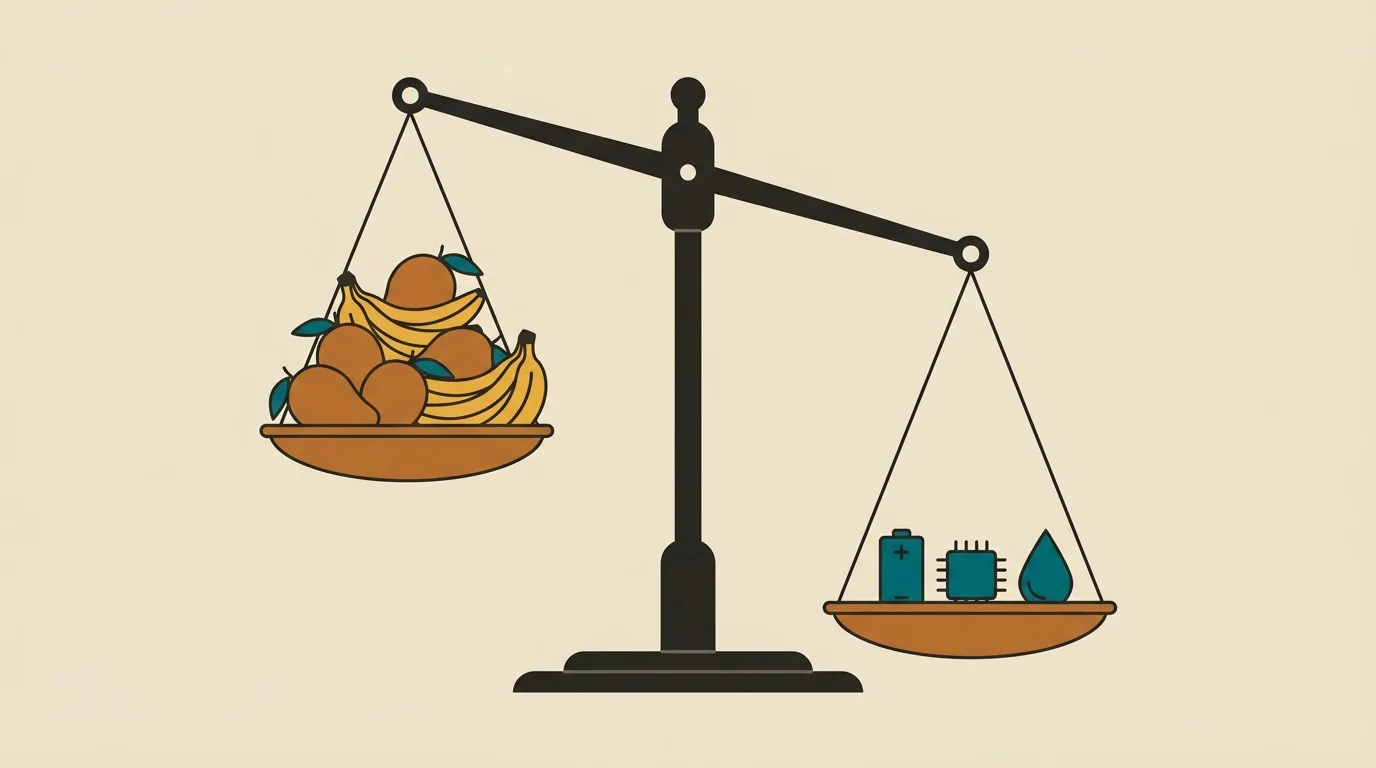
What does the world need from the Philippines? Right now, nothing it can't get somewhere else.
China refines 91% of the world's rare earths. Taiwan makes over 90% of its most advanced chips. We import 98% of our garlic and ship our nickel out as raw ore. What could the Philippines own that the world can't do without?
Read more →