I Thought Those Nights Were Romantic
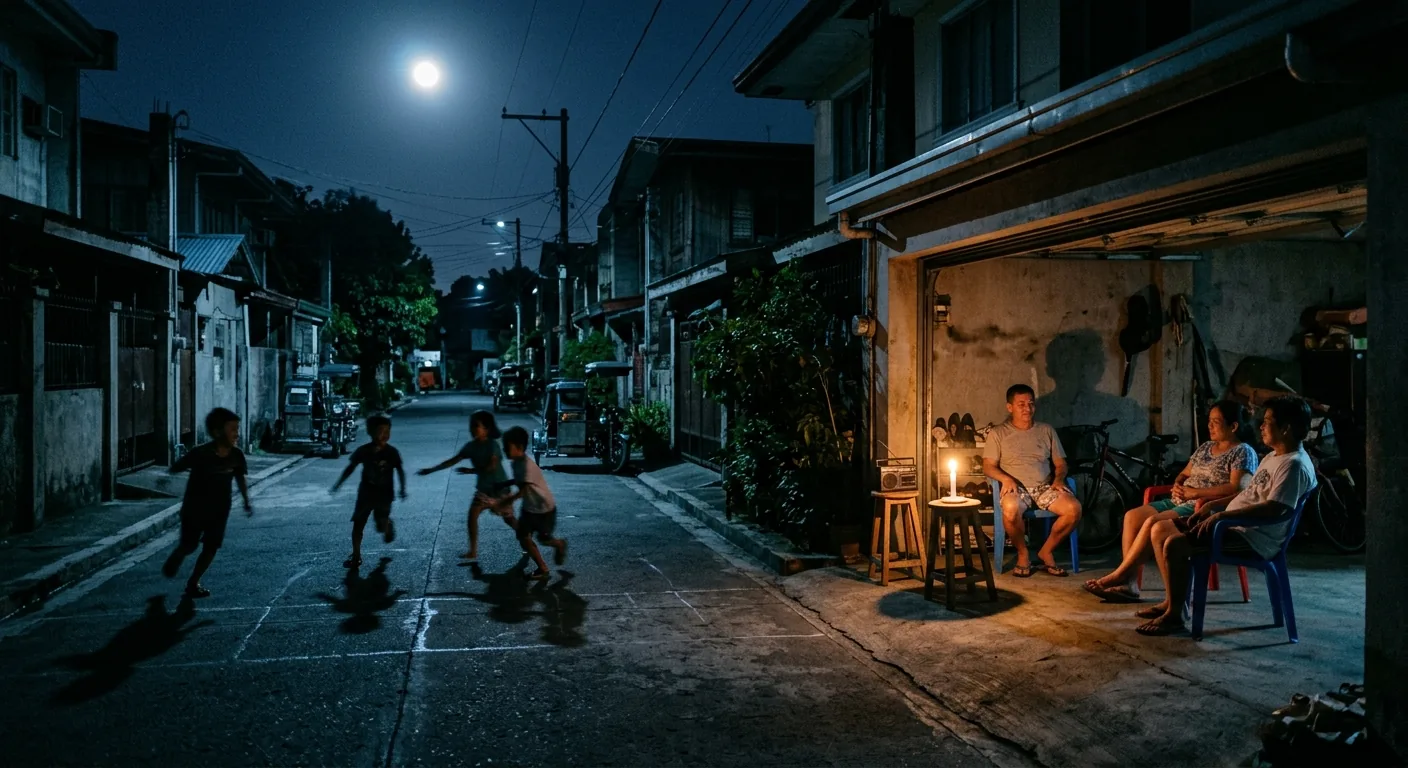
I have a childhood memory of drawing lines on the asphalt with water, under a full moon, playing agawan base outside our house in Manila. Handheld radio, parents in the garage because it was the coolest room in a hot house. I have carried that memory as something warm for thirty years.
It was the brownout era. Those nights were dark because the power was out, on a schedule, again. I used to think that could never come back. Then I looked up 13 May 2026.
NGCP put the Luzon grid on red alert. Rotational brownouts ran nationwide and 1.9 million Meralco customers lost power, two to three hours at a stretch. Visayas was on alert two days later. It did not happen to me, but it happened to 1.9 million households I will never meet, and on many islands in this country it is not a memory. It is still someone’s Tuesday.
None of this chain was built here. The Strait of Hormuz closed in late February during the Iran war, and 20% of the world’s oil supply stopped moving. Brent went from $71 to $113 a barrel. Diesel here went from ₱54 to over ₱130 a litre. LNG tripled, coal rose up to 30%, and on 26 March the Energy Regulatory Commission suspended the electricity spot market outright because nobody could price power in that. Seven weeks later, the lights went out.
I started this piece wanting to argue for nuclear power. I am arguing for something smaller and more useful: we are bad at judging risk, on purpose, and it is costing us.
Fukushima killed one person by radiation, a worker, of lung cancer, confirmed four years later. The evacuation killed 2,202. The fear of the reactor had a body count roughly two thousand times higher than the reactor. Chernobyl, a worse accident with no containment building, killed about thirty workers. Most of us are carrying an estimate in our heads that is off by orders of magnitude, and we have been voting and shrugging on the basis of that estimate for forty years.
We do this reliably. Cars kill 7.3 people per billion passenger-miles, planes kill 0.07, and half the plane still tenses up at takeoff while nobody grips anything on the drive to the airport. We fear the rare, vivid, sudden risk and shrug at the common, invisible one.
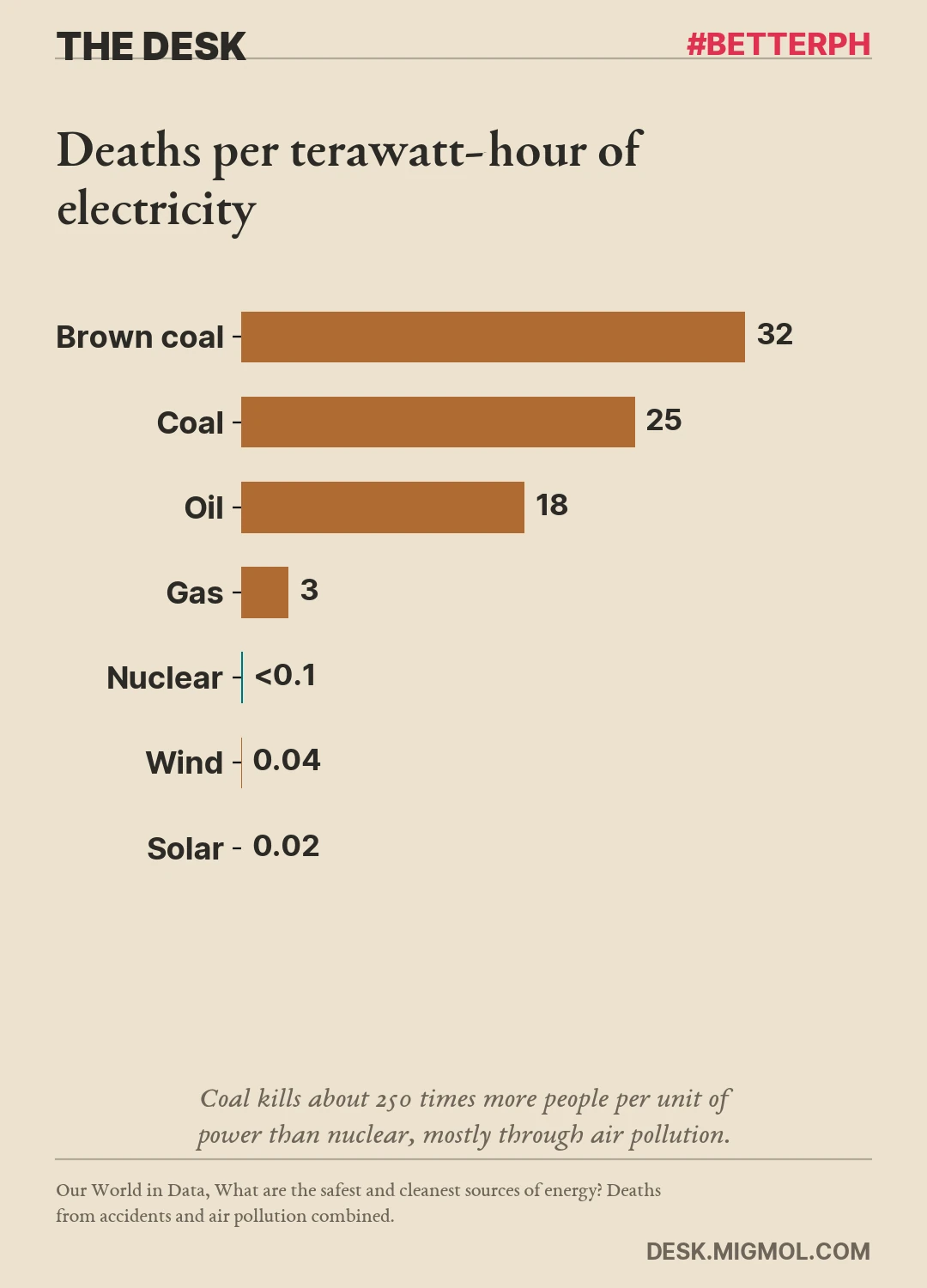
Coal kills about 25 people per terawatt-hour, almost all of it air pollution: asthma, heart disease, lung cancer in people who never knew which plant to blame. Nuclear comes in under 0.1, a wider gap than flying versus driving, and coal is 57% of our electricity. Nobody has ever seen a photograph of the person coal killed. Everybody has seen Chernobyl.
The brownouts in May were not caused by a reactor. They were caused by depending on one thing, priced in a currency we do not control, shipped through a strait we have no say over. We decided the answer on nuclear before we looked, forty years ago, and that habit is the actual subject of this series: we form the feeling first, collect facts that agree with it, and call the result common sense. We can afford to have been wrong about nuclear. What we cannot afford is to keep deciding things this way, because the next question is already here.
Part 2, on what it would actually cost, what the rest of the world does instead, and what would make me say no, publishes on 2 November.
Related: Literal Power to the People, on why the Philippines has 118 GW of planned power projects and still cannot keep the lights on.
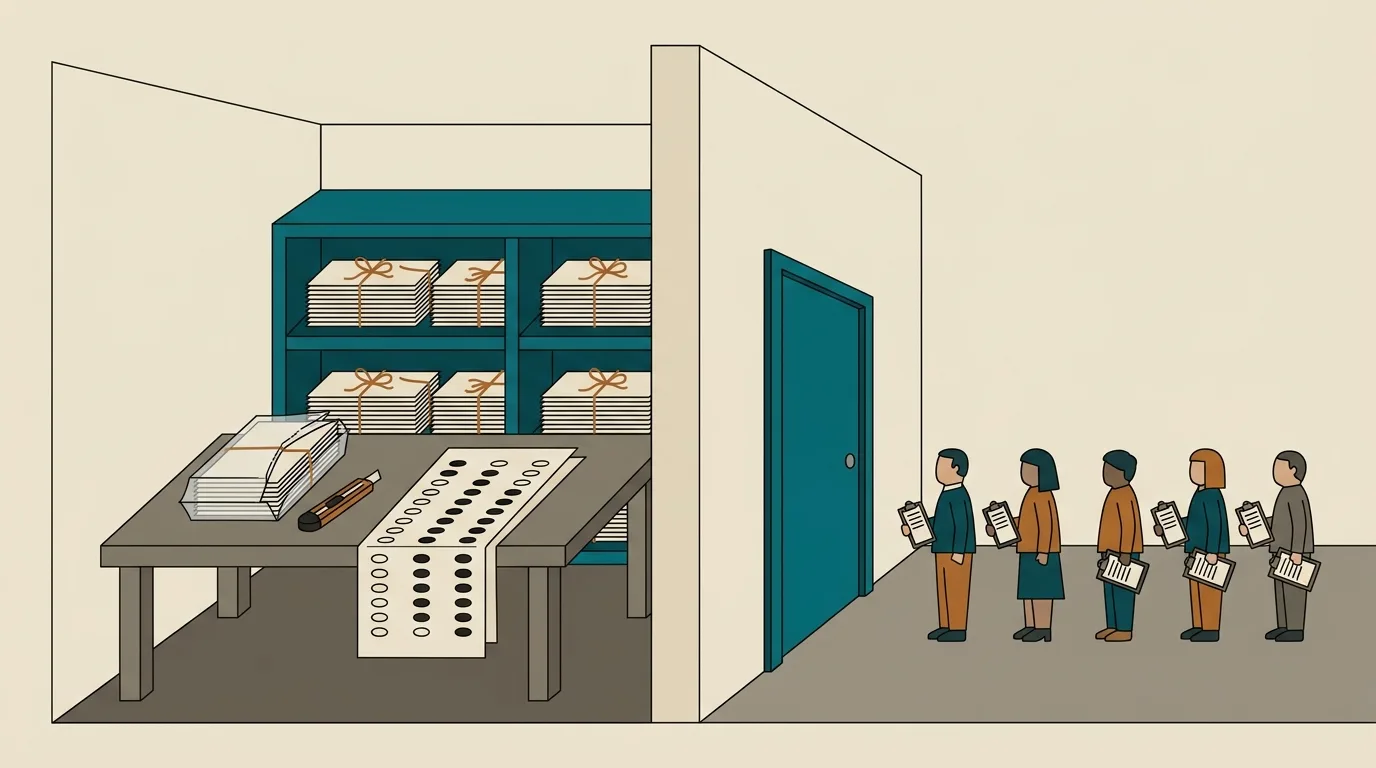
16,563 Ballots Were Shaded Before Anyone Voted
Nobody had to break a rule to reach the pre-shaded ballots in Maluso. The rule put them there. The Omnibus Election Code was written two months before EDSA, and Comelec's 963-page fix is still waiting.
Read more →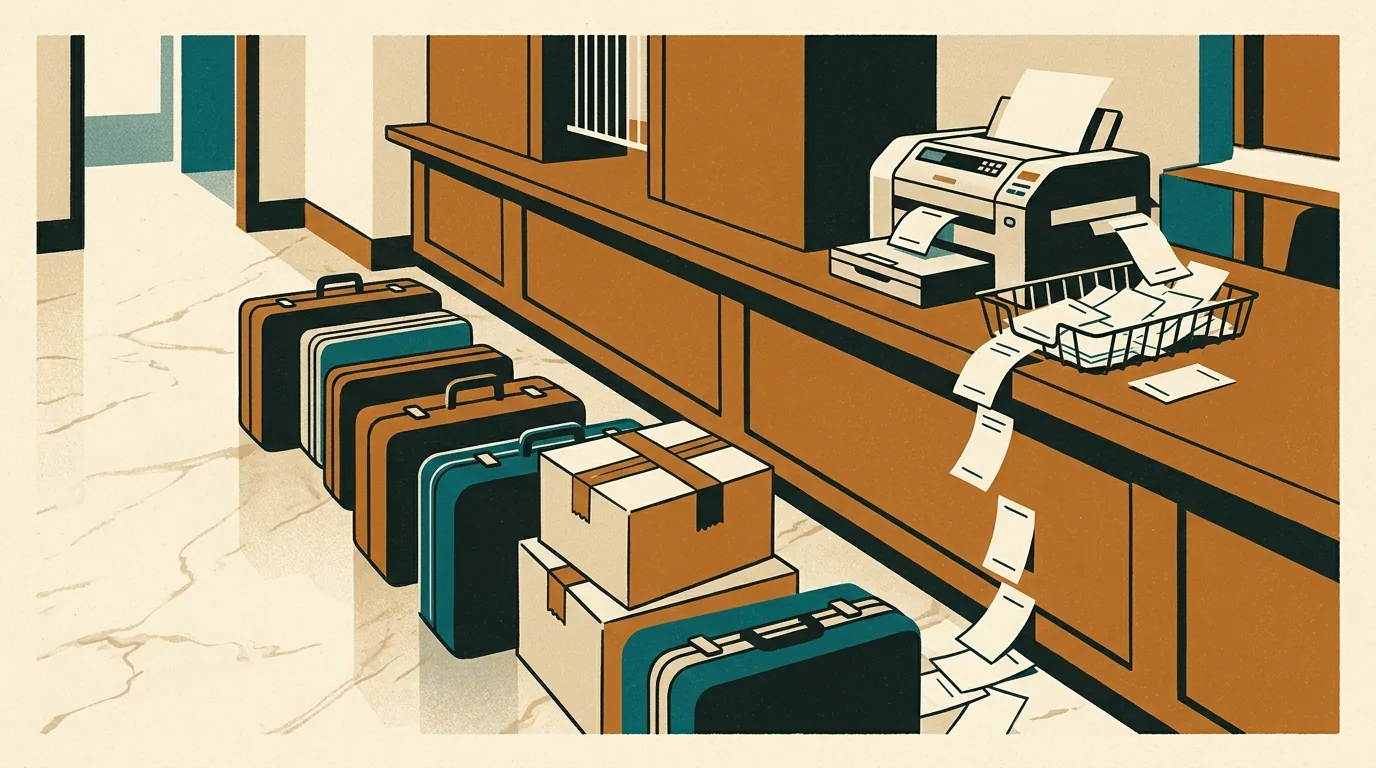
₱457 Million in Cash, and Nobody Asked
The bank filed the report. The AMLC said it had too many to read. Part 4 of 4 on anti-corruption with teeth.
Read more →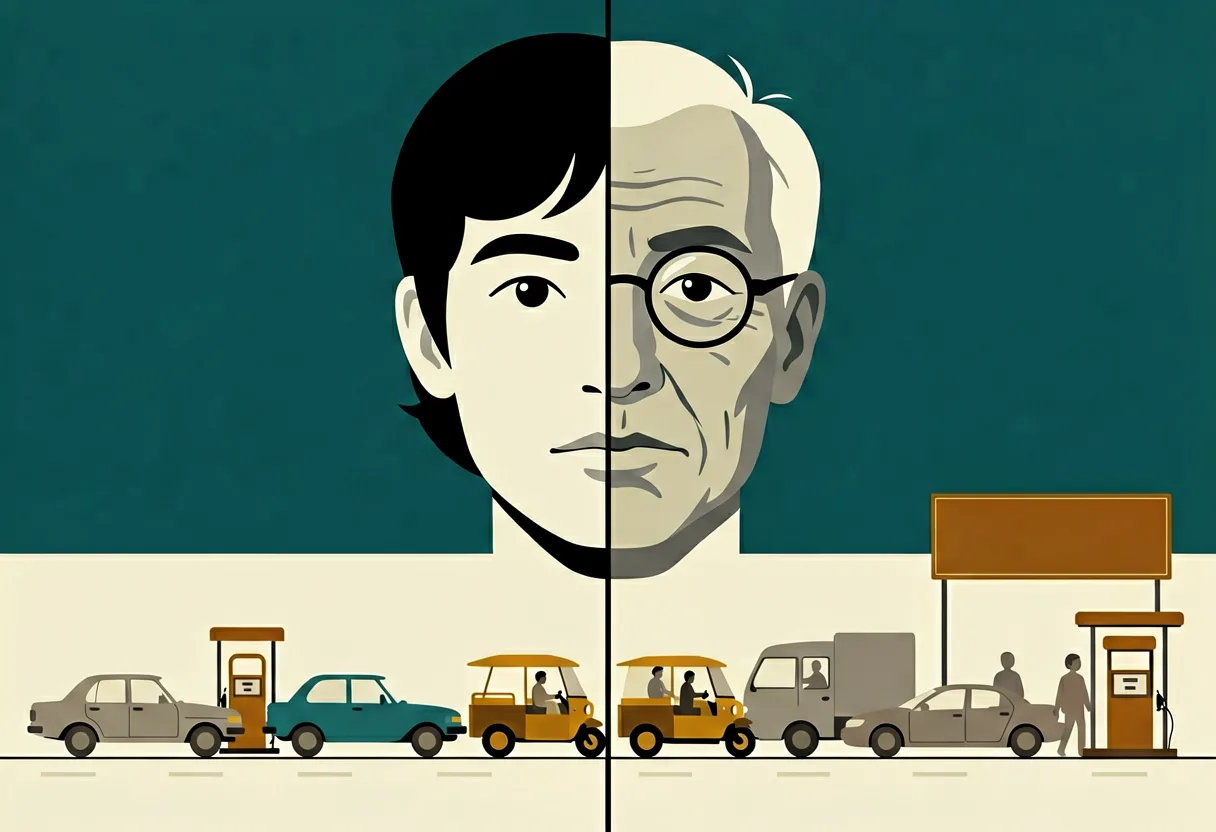
If you're above 40, this is the 2nd Iran Oil Crisis in Your Lifetime.
In 1980, a crisis in Iran pushed oil to $149 a barrel in today's dollars. Saudi Arabia had warned that prices that high would push the world to find something else, and it did. In 2026 it is Iran again, and this time the something else is already in our driveways.
Read more →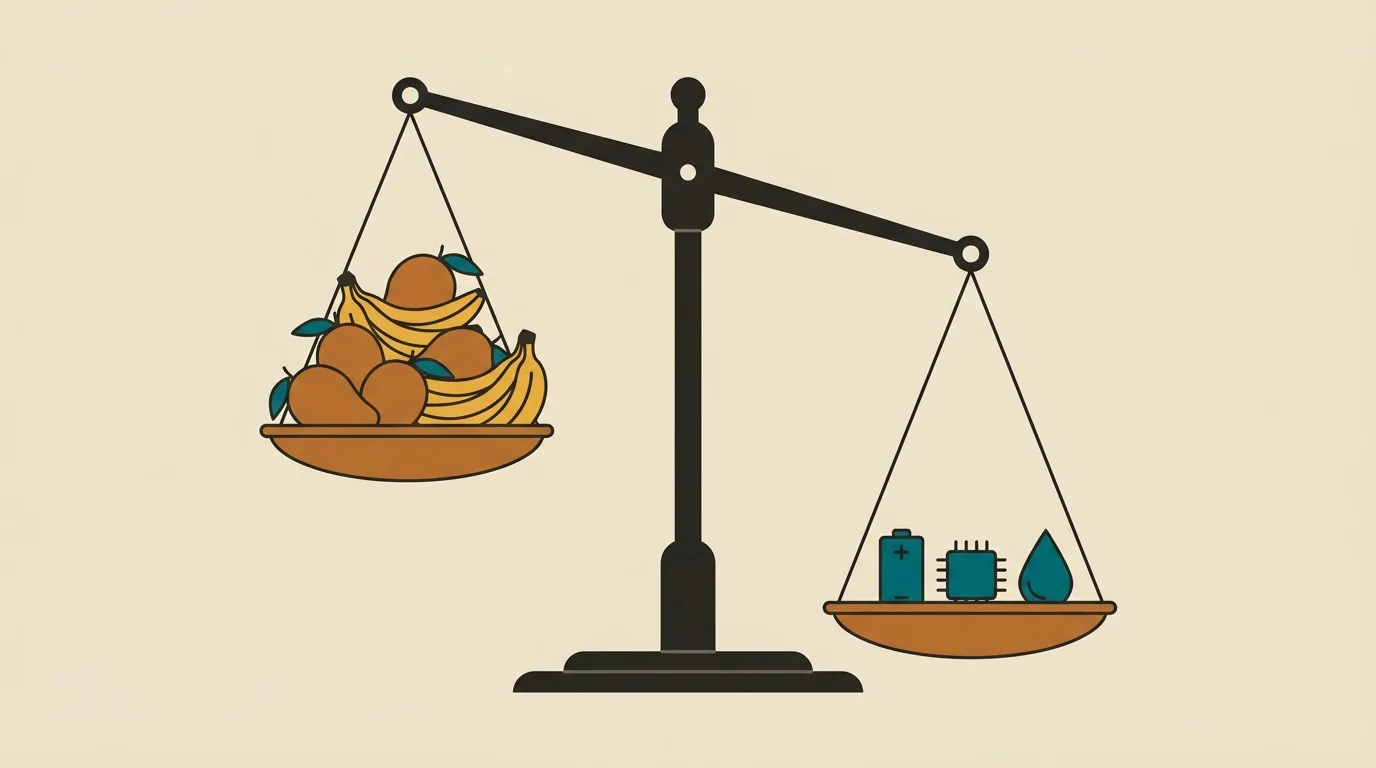
What does the world need from the Philippines? Right now, nothing it can't get somewhere else.
China refines 91% of the world's rare earths. Taiwan makes over 90% of its most advanced chips. We import 98% of our garlic and ship our nickel out as raw ore. What could the Philippines own that the world can't do without?
Read more →