Why Libra, the Facebook-led Cryptocurrency, is a Gamechanger for Filipinos
From the archive. Originally published on migmol.com on 2019-06-19, recovered and republished here in 2026 at its original address. Unedited except for formatting.
Details of the upcoming Facebook-led cryptocurrency Libra was released yesterday and has taken over global headlines. Philippine news agencies barely touched on this news, but they should because this development can be a game changer for the Philippine economy.
Cryptocurrency has taken a bad reputation in the past few years. As Bitcoin headlined the news, greed took over and caused the cryptocurrency’s value to rise steeply. When the value inevitably fell, people were burnt and the headlines shifted from praise to gloom. Bitcoin’s time in the spotlight has passed.
It’s quite unfortunate that monetary gain was the value that most people saw in blockchain because the technology can do so much more. At its core, blockchain is about democratizing information & removing the ‘middleman’.
The first time I learned about blockchain was from a TED Talk by Don Tapscott, co-founder of the Blockchain Research Institute. In his talk, his 3rd example of how a cryptocurrency can benefit people was through remittances. In his example, a Toronto-based Filipino was able to send Bitcoin to her relatives in Manila in a matter of hours (instead of days) and only give up 2% for the transfer service instead of 10% through traditional money transfer companies.
Libra is a new cryptocurrency that promises to be very stable as it is backed by actual real-world assets from established global institutions. The Libra Association will be the governing body behind the currency. They want to have 100 co-founders in the group to ensure that no single company can sway decisions. Although Facebook is leading the initiative it will only have a 1% voting stake in the Libra Association. As of this writing, there are 28 confirmed co-founders as per the Libra Association website. Tech companies like Uber, Lyft, and Spotify are already part of the consortium along with venture capitalists, blockchain companies, as well as non-profits and educational institutions.
What’s interesting is that 5 payment companies are already in the group, including Visa, Mastercard, and Paypal.
Facebook has also created a subsidiary called Calibra to lead its efforts partly to ensure that privacy won’t be an issue. Transactions using Libra cannot be monitored and used to serve ads.
You can read more about the details of the Libra Association announcement from this Tech Crunch article or on the Libra website, but let’s stop here and quickly put the pieces together.
- OF (Overseas Filipino) remittances were at 32.21 billion USD in 2018. It was 10% of the Philippine GDP in 2017.
- The Philippines has the 3rd highest remittance value in the world following India and China.
- The Philippines has the highest Facebook penetration in the world, where 100% (up from 99% in 2017) of people with internet have Facebook.
- The Libra Association was established with a noble goal in mind. Profits for the founding members will only happen at scale and at no extra cost to the user (just cost of money).
- The Libra is a stablecoin, where the value is backed by real-world assets, and thus will not fluctuate as much as ‘unbacked’ cryptocurrencies (e.g. Bitcoin).
- Paypal, Visa, and Mastercard are part of the founding members.
If all goes well for Libra, we could instantly see an increased spending power of at least 2.25 billion USD in the country. Although it would take time for physical stores to accept the Libra currency, any establishment that already accepts VISA, Mastercard, or Paypal can, in theory, transact Libra. This might also be a big boost for the local ecommerce industry. As a top Facebook market and top remittance market, we can expect Facebook to include the Philippines in any pilot program for this development.
The news of the Libra currency is exciting news for Filipinos not as an investment option, but as a way for Filipinos to be able to spend more of their hard-earned money and help boost the local economy. It could also pave the way for positive changes in the country’s financial institutions. This could be the jolt we need, not only to increase the use of paperless transactions but also to decrease the number of unbanked Filipinos (think Alipay). Resistance from the BSP (Philippine Central Bank) could be the only hindrance in the proliferation of Libra, but the BSP has been very cooperative with the local cryptocurrency market so far.
This is big news. This will shake up how the world uses money. It’s a step in the right direction for cryptocurrency and blockchain. The future is happening now.
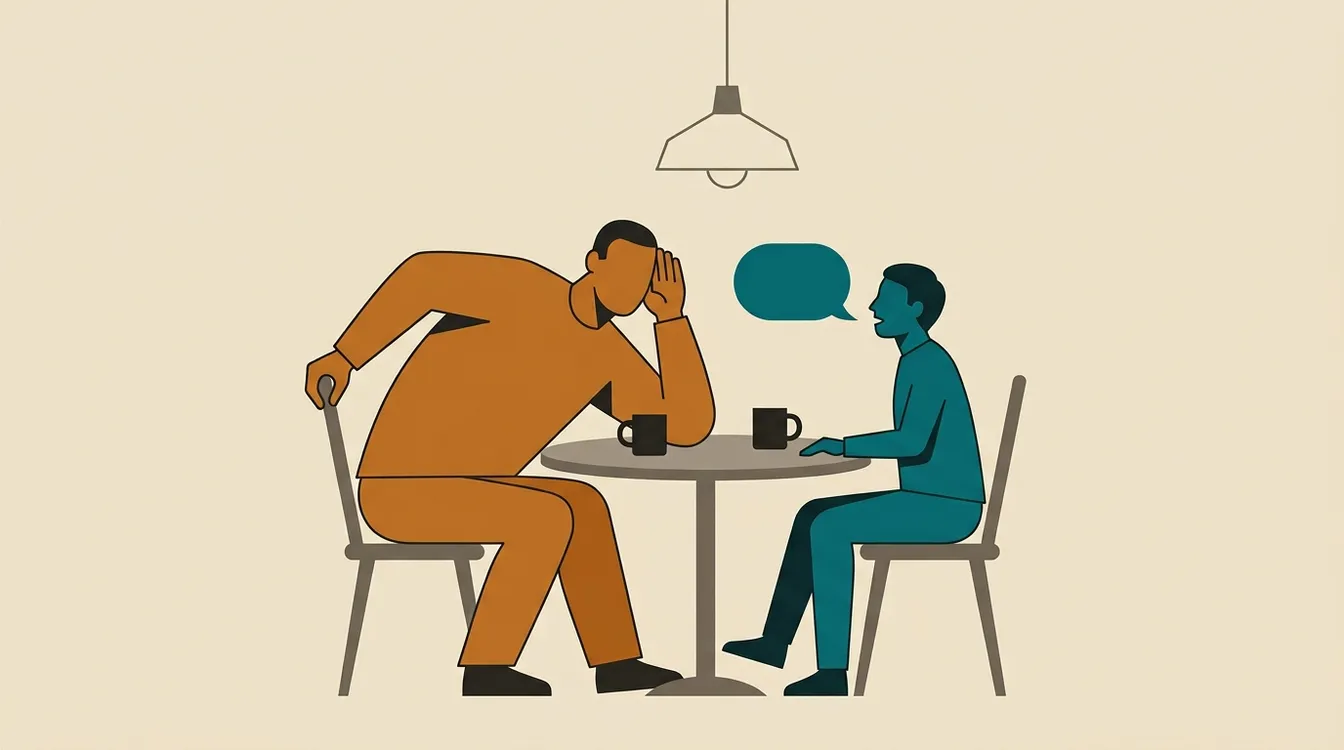
How Do You Change Someone's Mind? Tell Them You Heard Them First
If you've been following the impeachment trial, you've heard it a hundred times. Someone raises a point, and Presiding Officer Chiz Escudero answers, "Duly noted."
Read more →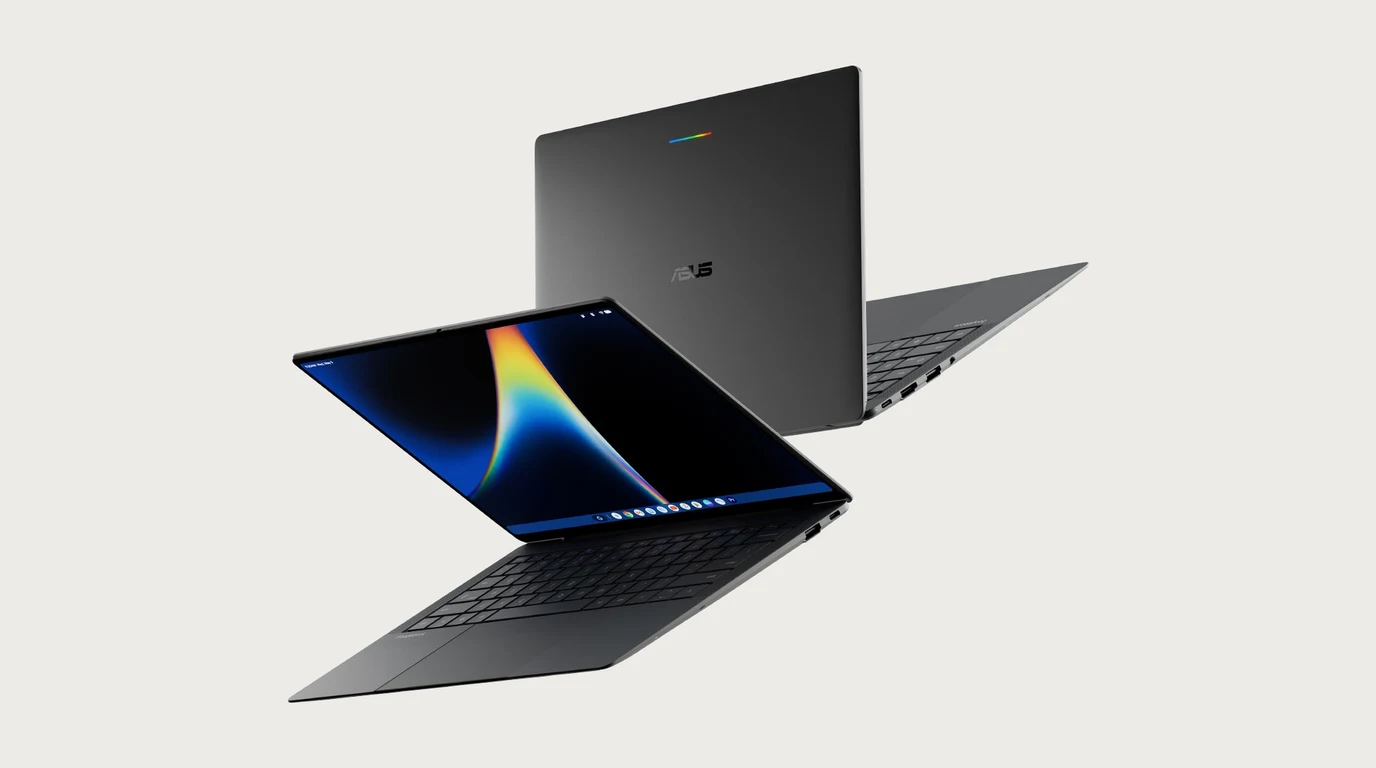
I bought a Windows laptop last year. If I were buying now, my Android phone would talk me into a Googlebook.
Google's premium laptop is no longer a Chromebook. It's an Android laptop built around the phone you already own, and ten features would have made me buy one.
Read more →
Alex Eala Doesn't Owe Us Anything
But she showed up anyway.
Read more →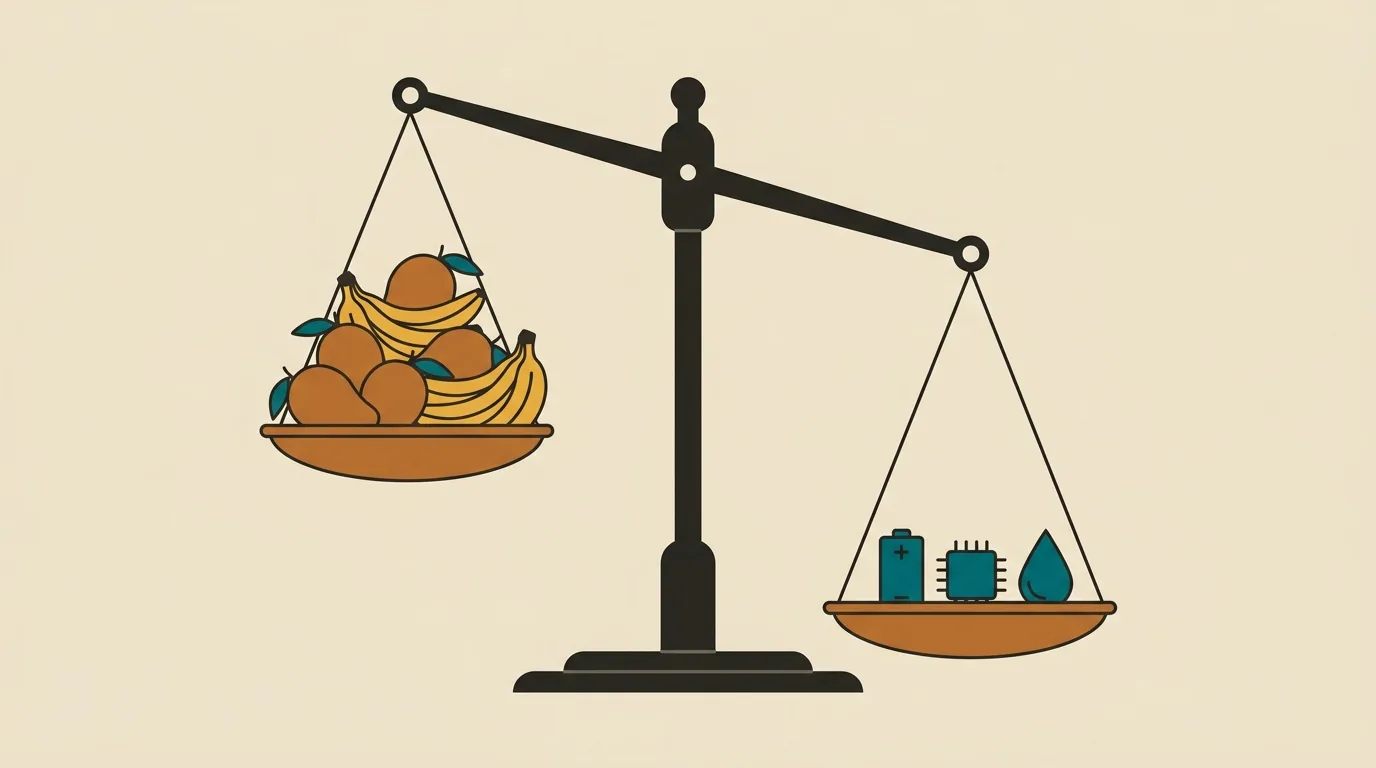
What does the world need from the Philippines? Right now, nothing it can't get somewhere else.
China refines 91% of the world's rare earths. Taiwan makes over 90% of its most advanced chips. We import 98% of our garlic and ship our nickel out as raw ore. What could the Philippines own that the world can't do without?
Read more →